Fragile Panther Kitten Abandoned In A Den With Severe Parasites Gets Critical Rescue In Florida
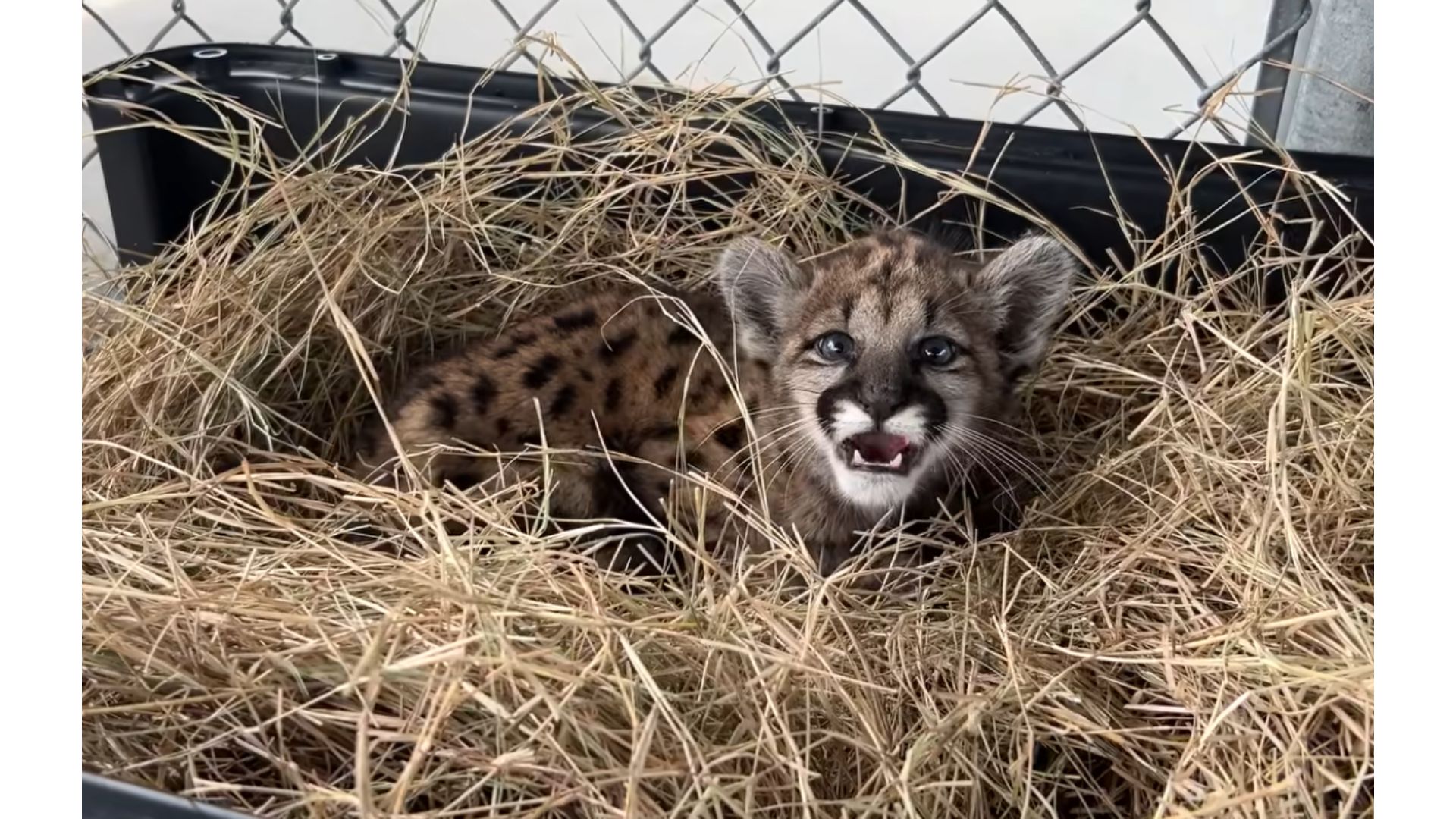
A tiny Florida panther kitten is getting a second chance at life after being found alone, weak, and battling a serious parasite infection in the wild.
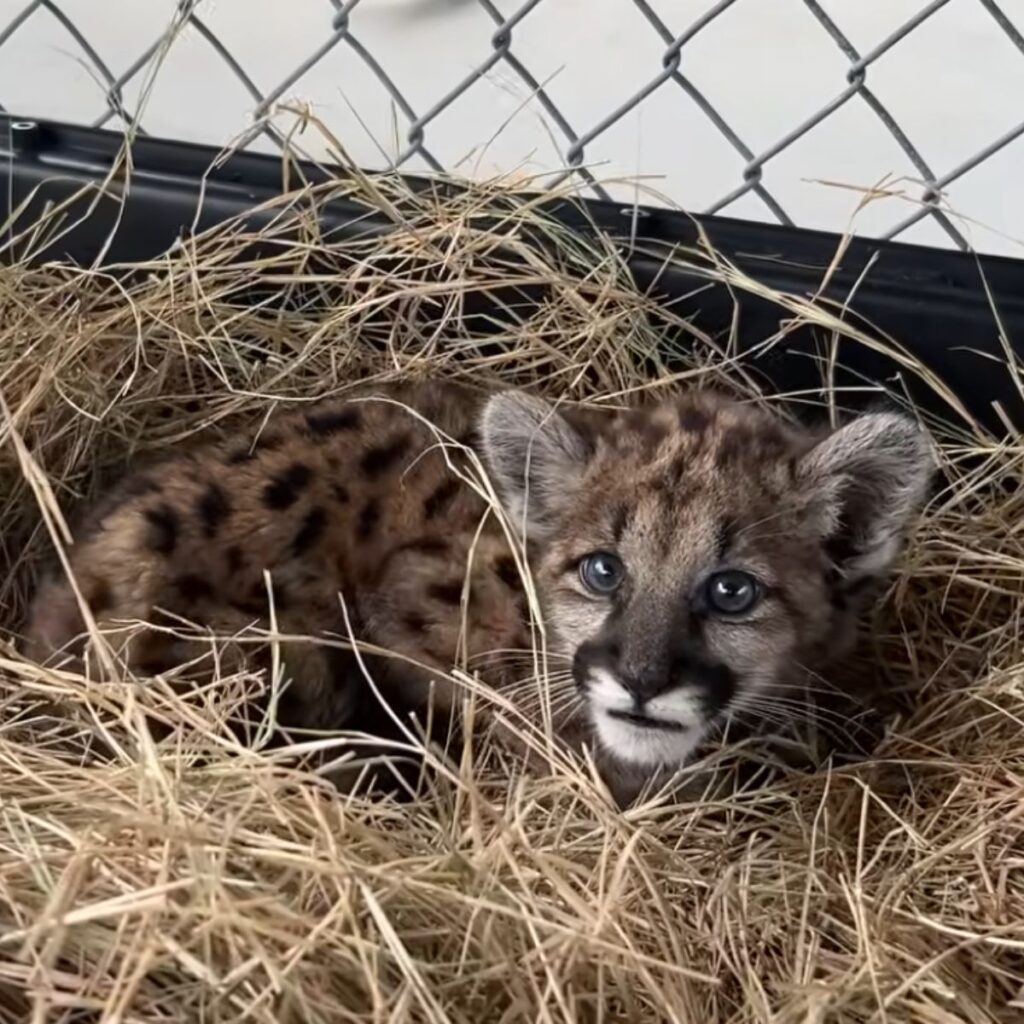
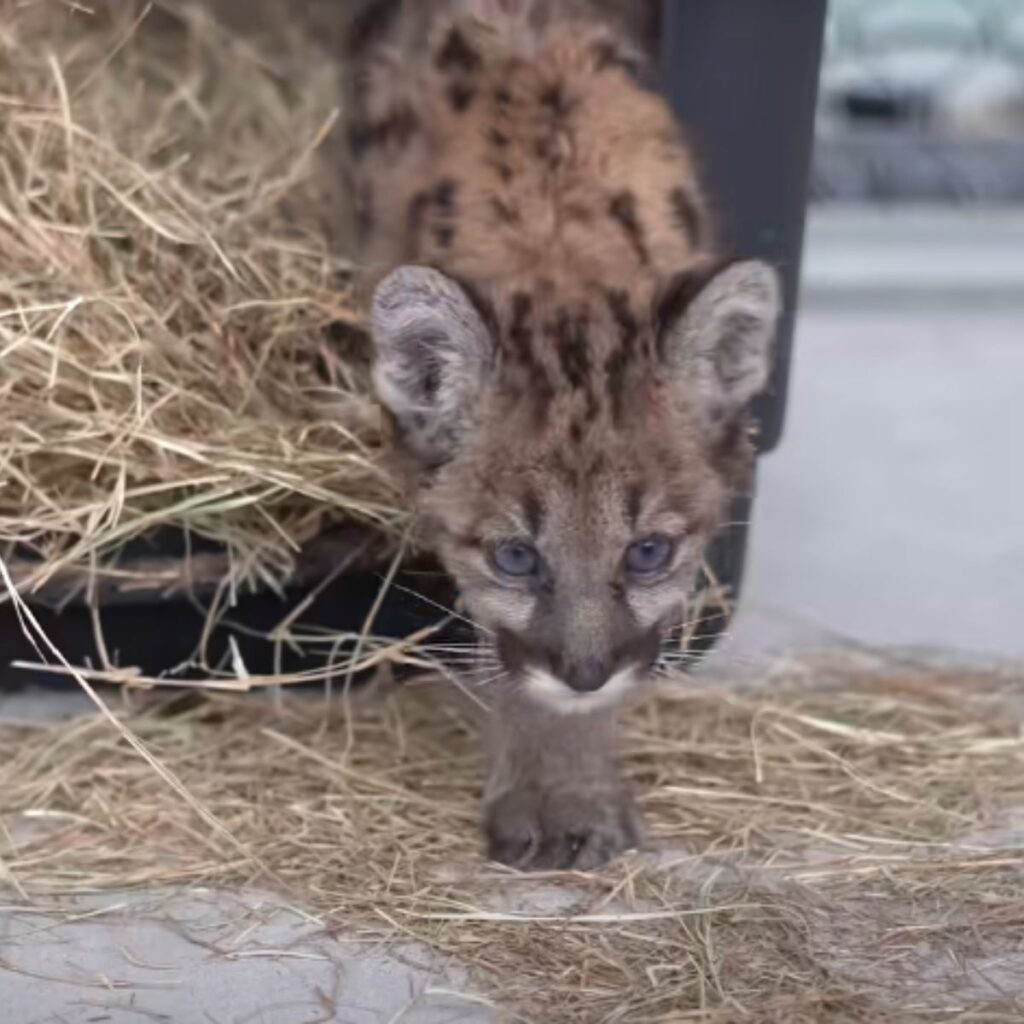
Wildlife officials with the Florida Fish and Wildlife Commission (FWC) and the Fish and Wildlife Research Institute confirmed they rescued a 2-month-old female panther cub after she was discovered abandoned deep inside her den.
The situation began months earlier when biologists fitted the cub’s mother with a radio collar as part of ongoing monitoring efforts for the endangered species.
Using GPS data, researchers were able to track her movements and eventually locate a hidden den tucked away in a palmetto thicket.
Inside, they confirmed something remarkable at first: a single newborn kitten.
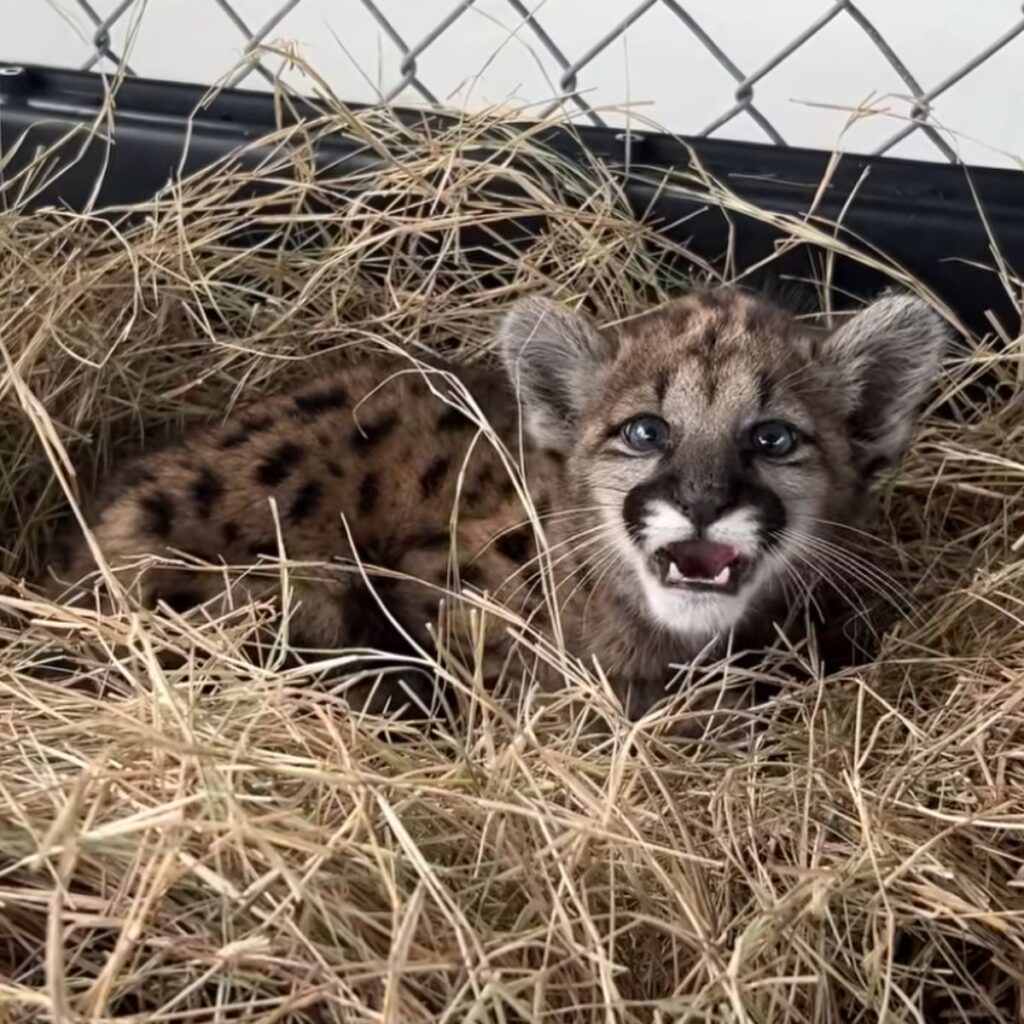
At the beginning, everything seemed to be going as it should. The mother panther was regularly returning to the den, caring for her cub, and behaving normally.
For a while, it looked like another success in wildlife monitoring. But nature doesn’t always follow the expected path…
Over time, researchers noticed something worrying: the mother stopped returning. Days passed, then weeks, with no sign of her.
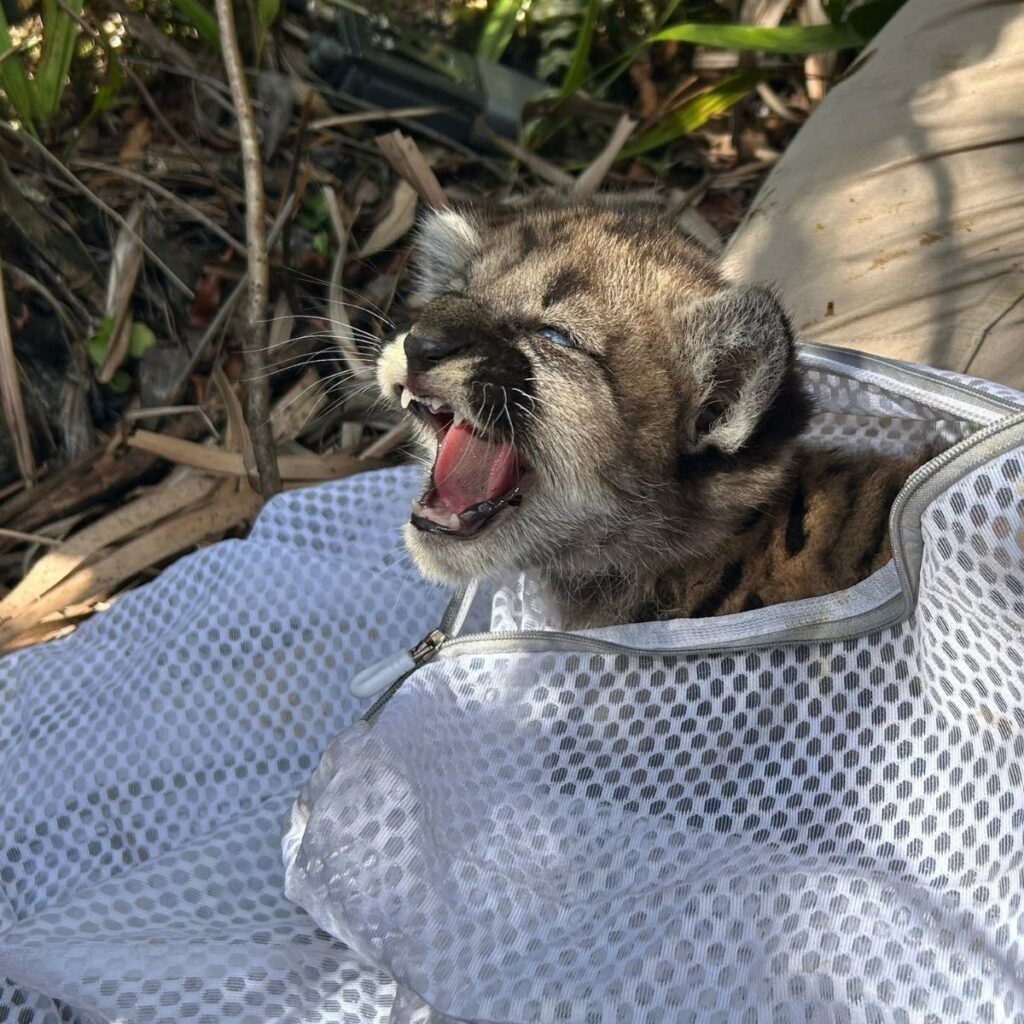
For anyone watching from the outside, it’s the kind of silence that feels heavy. In the wild, absence can mean many things, but none of them are easy.
When two full weeks went by without the mother’s return, biologists grew increasingly concerned for the tiny cub still inside the den.
The kitten was now severely underweight, weighing less than three pounds, and visibly struggling. Tests later revealed she also had a high parasite load, leaving her even more vulnerable.
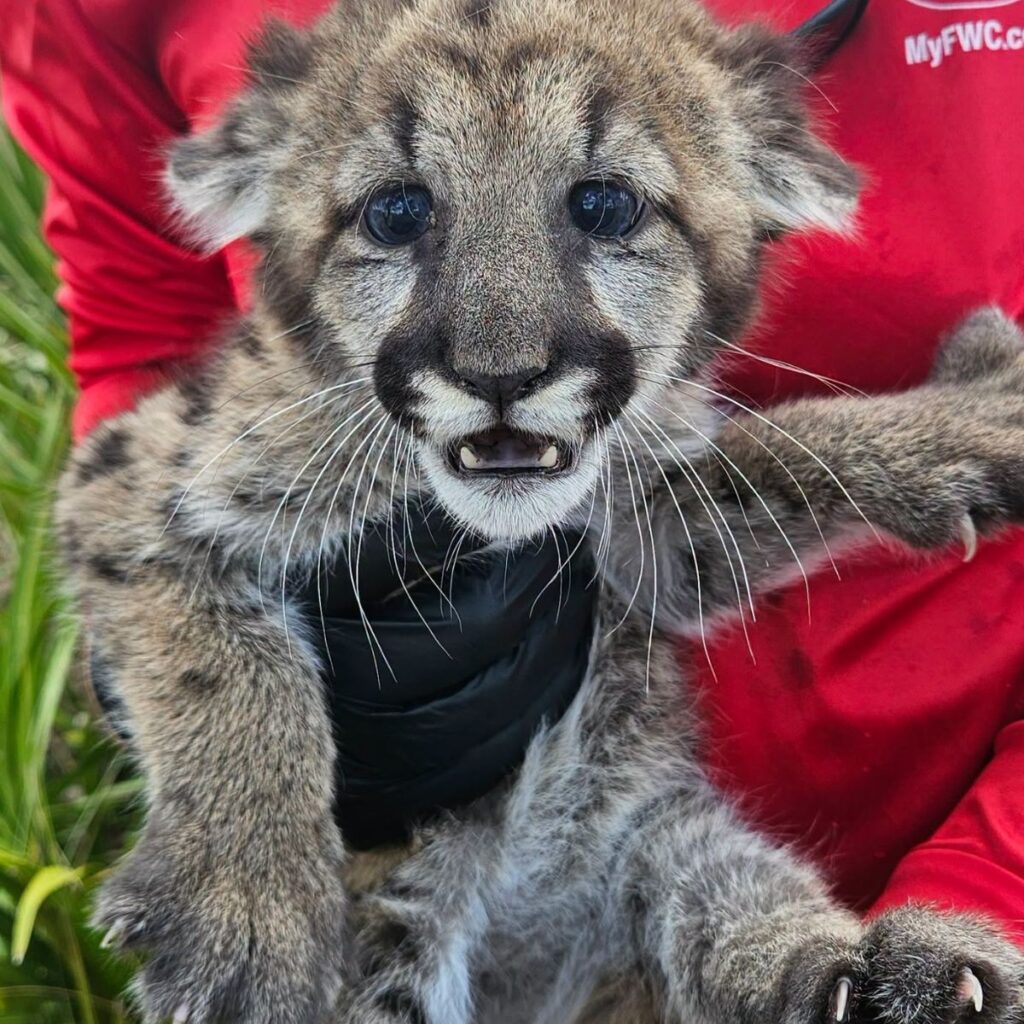
At that point, officials made the difficult but necessary decision to intervene.
The cub, now identified as K528, was carefully removed from the den and transported to the Naples Zoo at Caribbean Gardens, where veterinary teams immediately began treatment and supportive care.
According to the FWC, none of this would have been possible without the radio collaring program, which allows biologists to monitor endangered panthers and step in when survival is at risk.
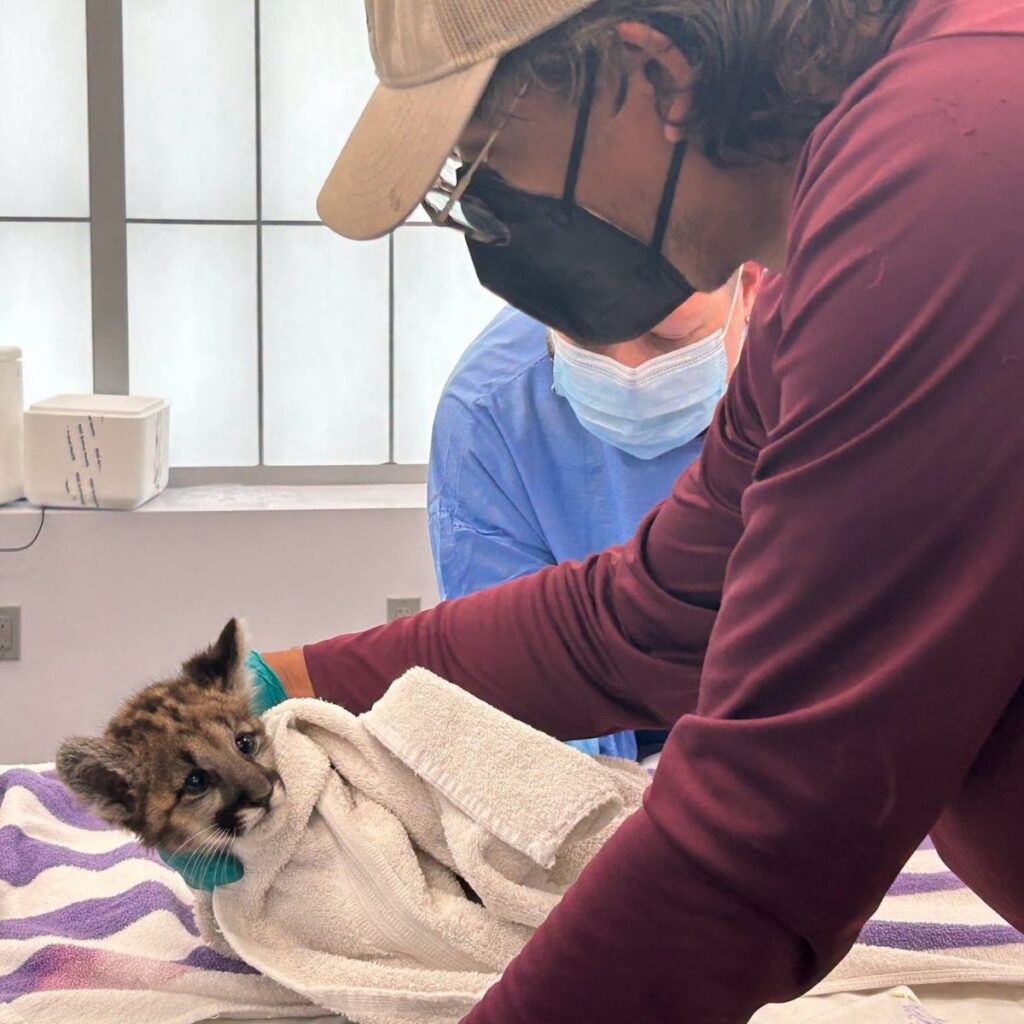
They shared in a Facebook post:
“Monitoring collared panthers provides valuable information about reproduction, survival and population health. It can also help biologists identify situations where intervention may be needed to give a vulnerable kitten a chance at survival.”
Florida panthers remain one of the rarest native species in the state, with only about 120–230 adults estimated to still exist in the wild.
Their survival is constantly challenged by shrinking habitat, human development, and increasing risks from vehicle collisions.
It’s a reminder that even in a state known for its vibrant wildlife, some of its most iconic species are hanging on by a thread.
Conservation programs, protected corridors, and public awareness efforts are now more important than ever in giving these animals a fighting chance.
For now, K528 is safe and receiving the care she desperately needs. And while her journey is far from over, there’s hope in the fact that she was found in time, something that doesn’t always happen in the wild.