Friends Save Struggling Bird On PA Road Unaware It’s One Of The Fastest Creatures In The World
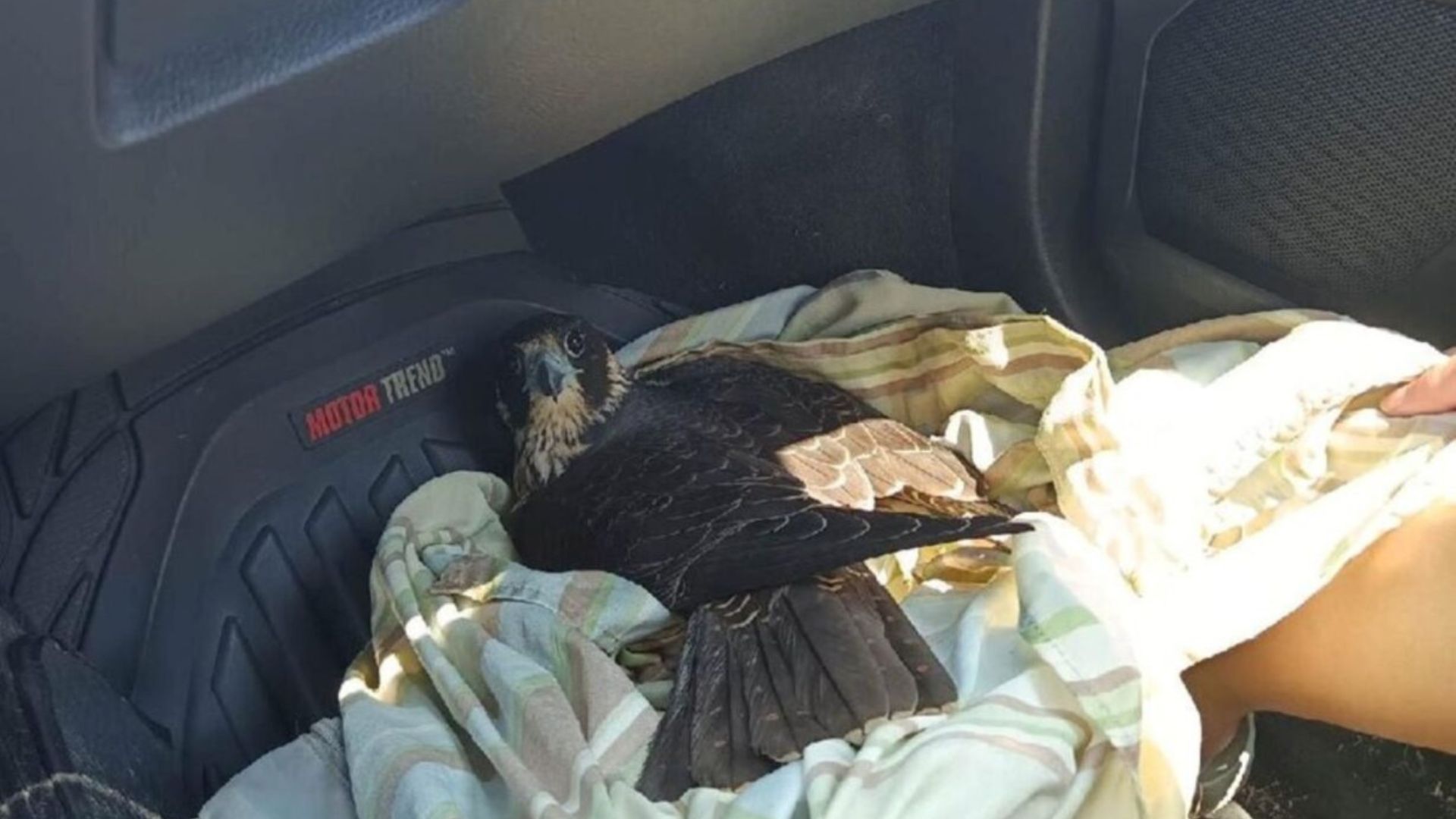
Two friends noticed something odd on a back road in rural Pennsylvania. At first, it just looked like a random lump on the asphalt, maybe a piece of trash or a stray branch.
But as they drove closer, dread set in. The lump wasn’t debris. It was a bird, motionless and clearly in distress.
Without hesitation, they pulled over and carefully lifted it into a blanket, holding it as if it were the most fragile thing in the world.
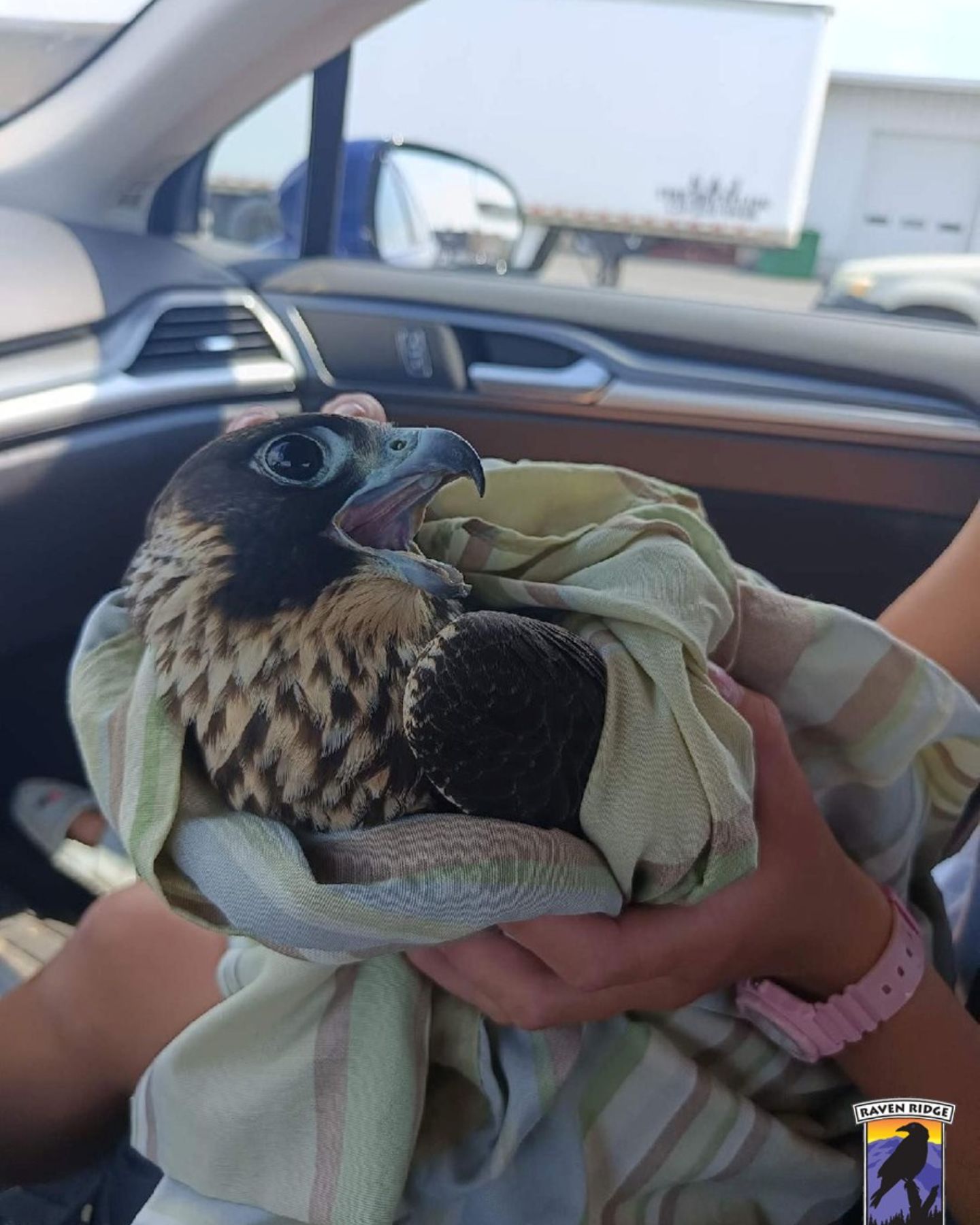
They had no idea if it would make it, but they knew they couldn’t leave it there. They called Tracie Young, a licensed wildlife rehabilitator at Raven Ridge Wildlife Center, for help.
She’s used to calls about injured owls, hawks, and songbirds, so this sounded like a regular rescue. That was until she met the friends and saw the bird. Her jaw dropped.
This wasn’t just any raptor. It was a peregrine falcon, one of the fastest animals on the planet. Tracie shared in an interview:
“Right away I spotted the head. I said, ‘That is not a hawk … you’re holding a peregrine falcon.’”
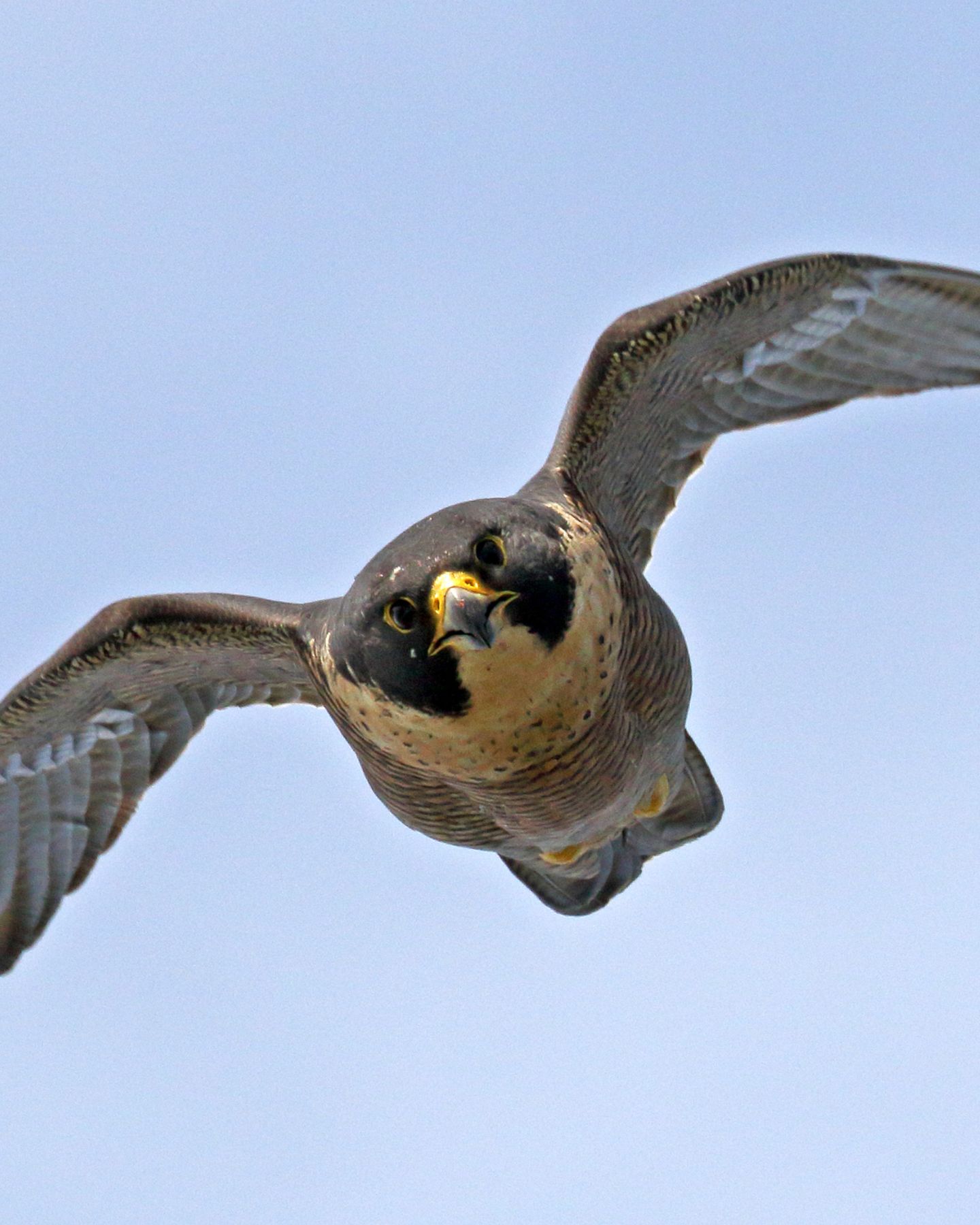
Peregrines aren’t your average birds. They’re sleek, fierce, and built for speed.
They dive at over 200 miles per hour, talons razor-sharp, beaks hooked, and a fire inside that makes them serious predators.
The friends were lucky they hadn’t gotten scratched or pecked while holding such a powerhouse. Tracie shared:
“That beak could cause more damage than, say, a red tailed hawk or a Cooper’s hawk.”
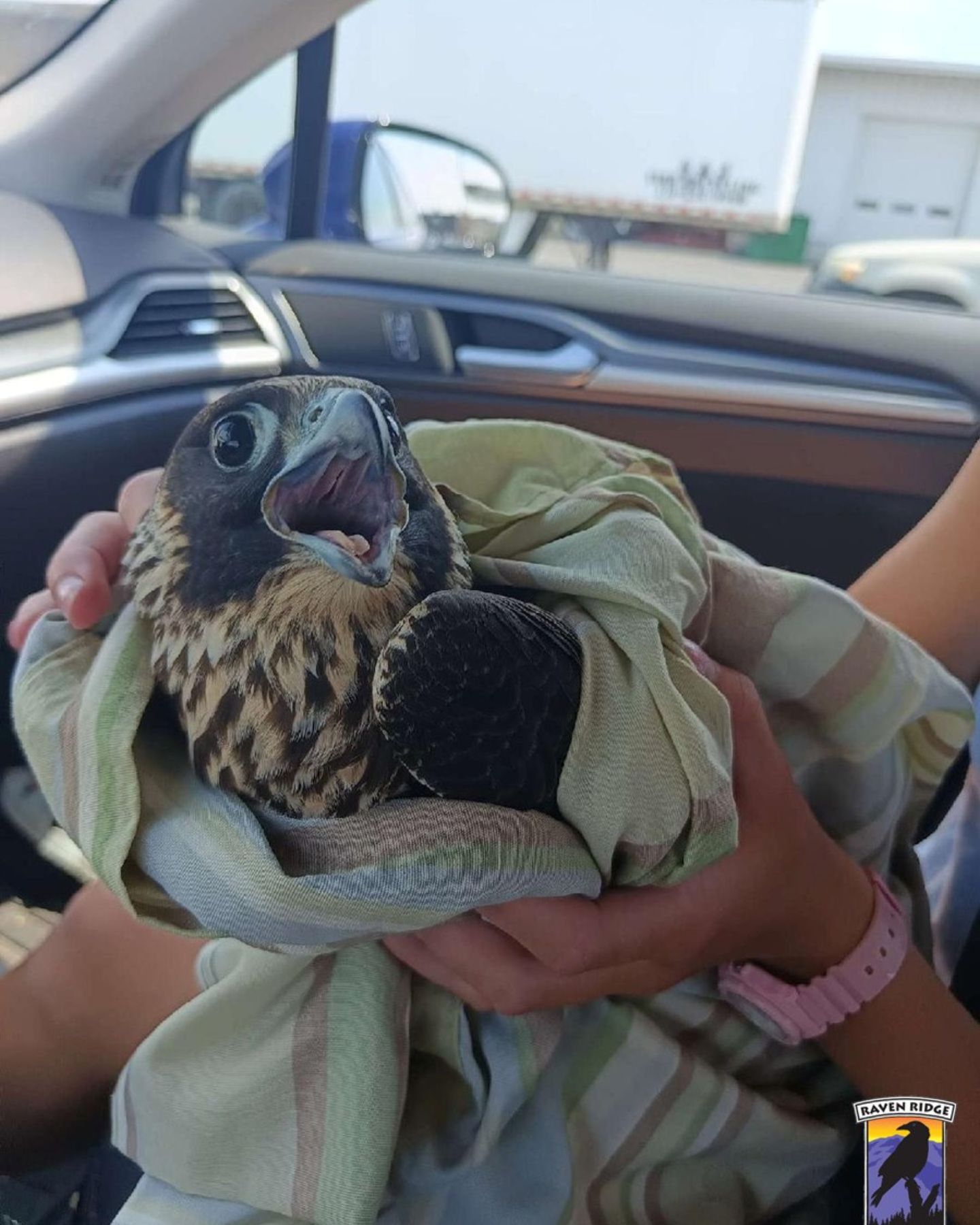
The falcon had likely been clipped by a car. Like many birds of prey after a sudden accident, he was frozen—awake but dazed, almost like his brain had hit pause.
He couldn’t focus, couldn’t move properly, just sat there, vulnerable. Tracie explained:
“They don’t know what’s going on. They can’t focus … They have their eyes open, but they’re just kind of out of it.”
If he had suddenly come out of that dazed state while in the car, it could have turned dangerous quickly for both him and the rescuers.
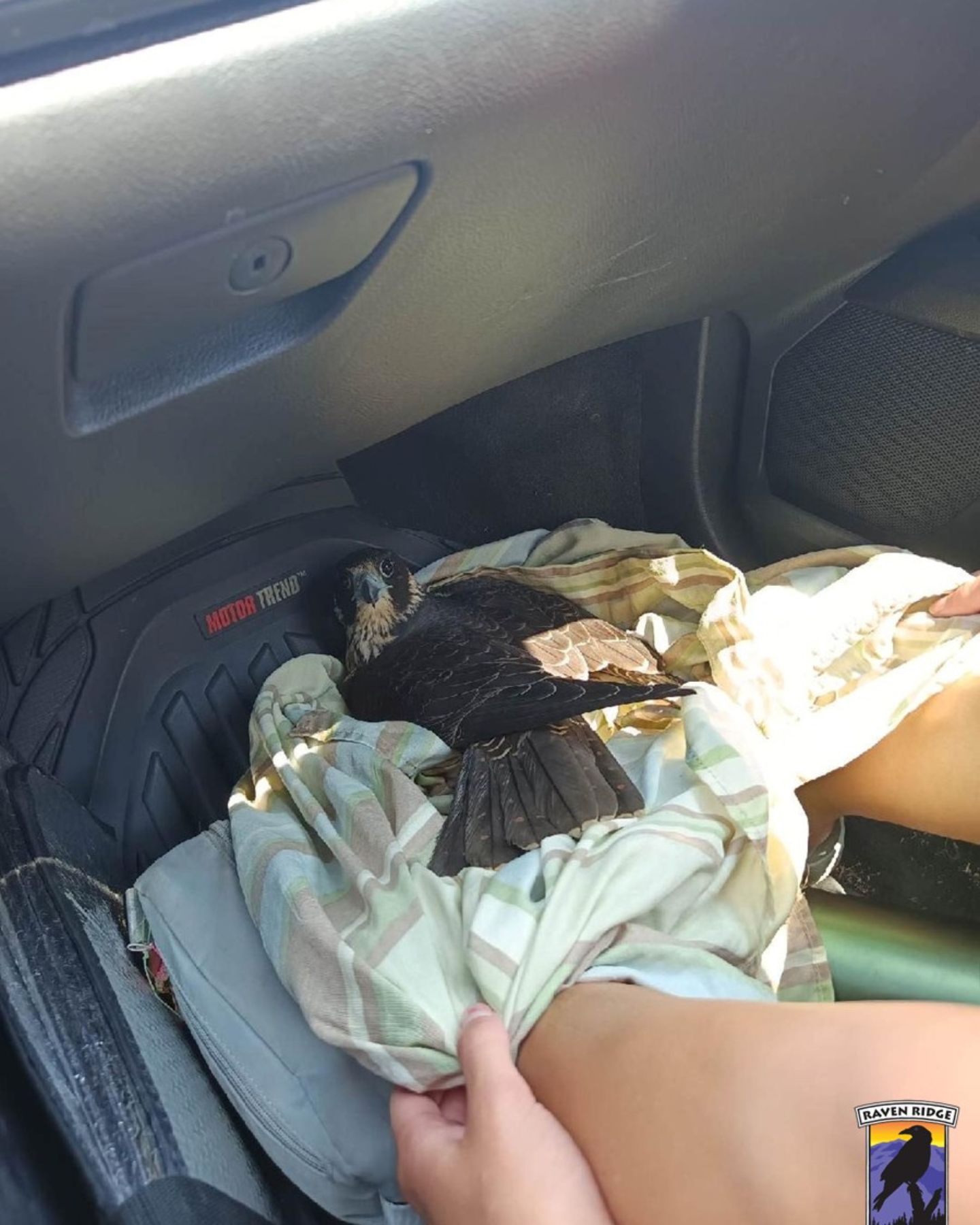
Tracie quickly realized he was still a juvenile, hatched earlier that year, far from the cliffs and tall city buildings peregrines usually call home.
Somehow, he had ended up navigating cornfields instead of high perches, and it had landed him in trouble. Luckily, he wasn’t seriously injured.
Over the next few days, the little falcon got the care he needed: plenty of food, some pain relief, and a safe space to rest. Slowly, his strength returned.
He began eating on his own, stretching his wings, and exploring the outdoor enclosure, showing flashes of the speed and skill that would make him a master of the skies.
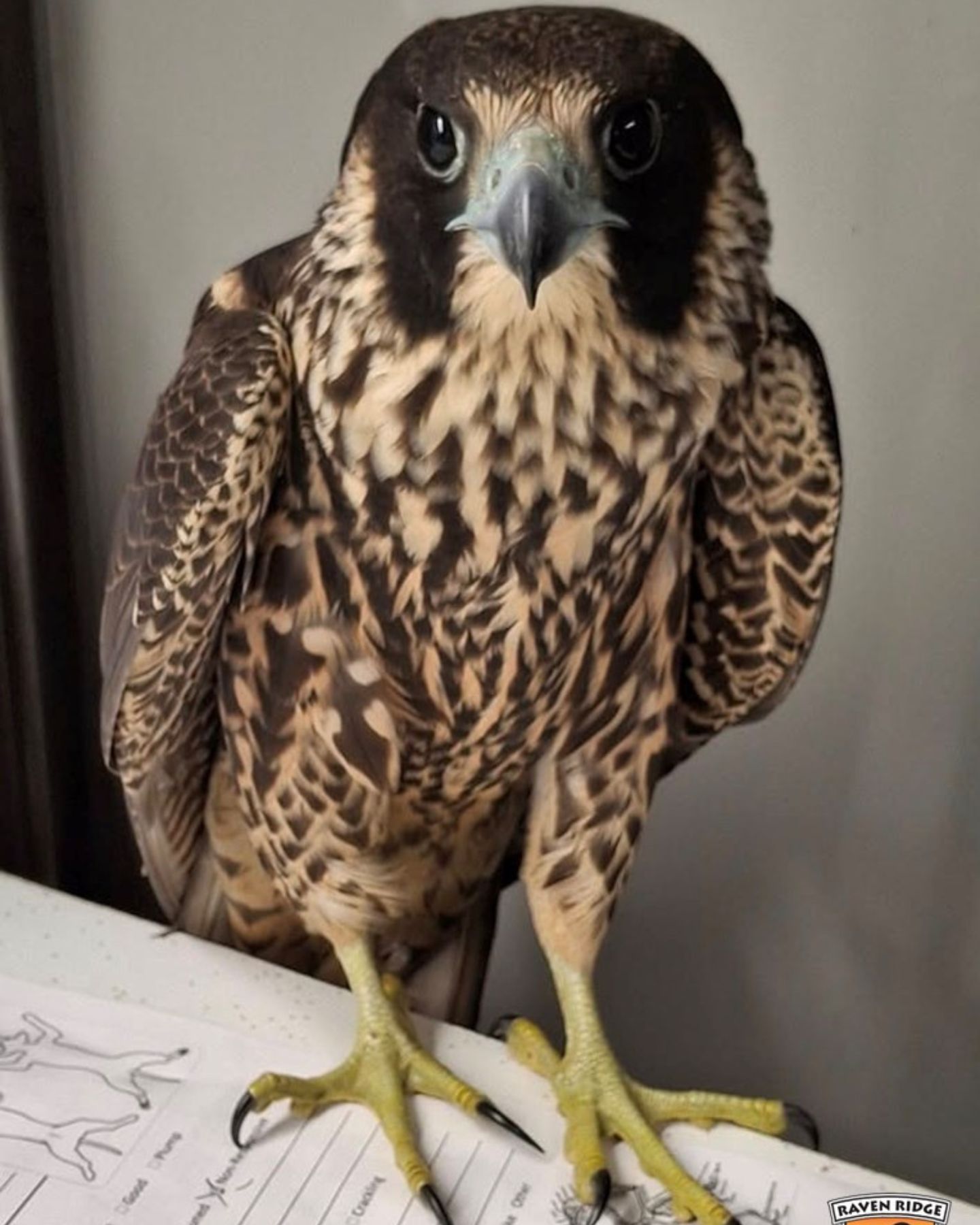
The next chapter in his life is pretty exciting. He’ll be going to a professional falconer for the fall and winter to learn how to hunt and hone his natural instincts.
Once he’s ready, Tracie and her team will release him back into the wild, where he can soar and dive at breathtaking speeds, exactly where he’s meant to be.
All this started because two friends saw a tiny, struggling bird on a country road and decided to act.
Their quick thinking gave one of nature’s fastest predators a second chance at life, a chance to fly free again, just as he was always meant to.