Georgia Woman Met Paralyzed Shelter Cat, Then Her 30 Years Of Medical Experience Revealed A Stunning Truth
When a retired physical therapist walked into an underfunded shelter, she wasn’t looking for a pet. But after spotting a paralyzed tuxedo cat dragging himself across a kennel floor, her decades of medical training told her a different story.
A Desperate Struggle In The Rain
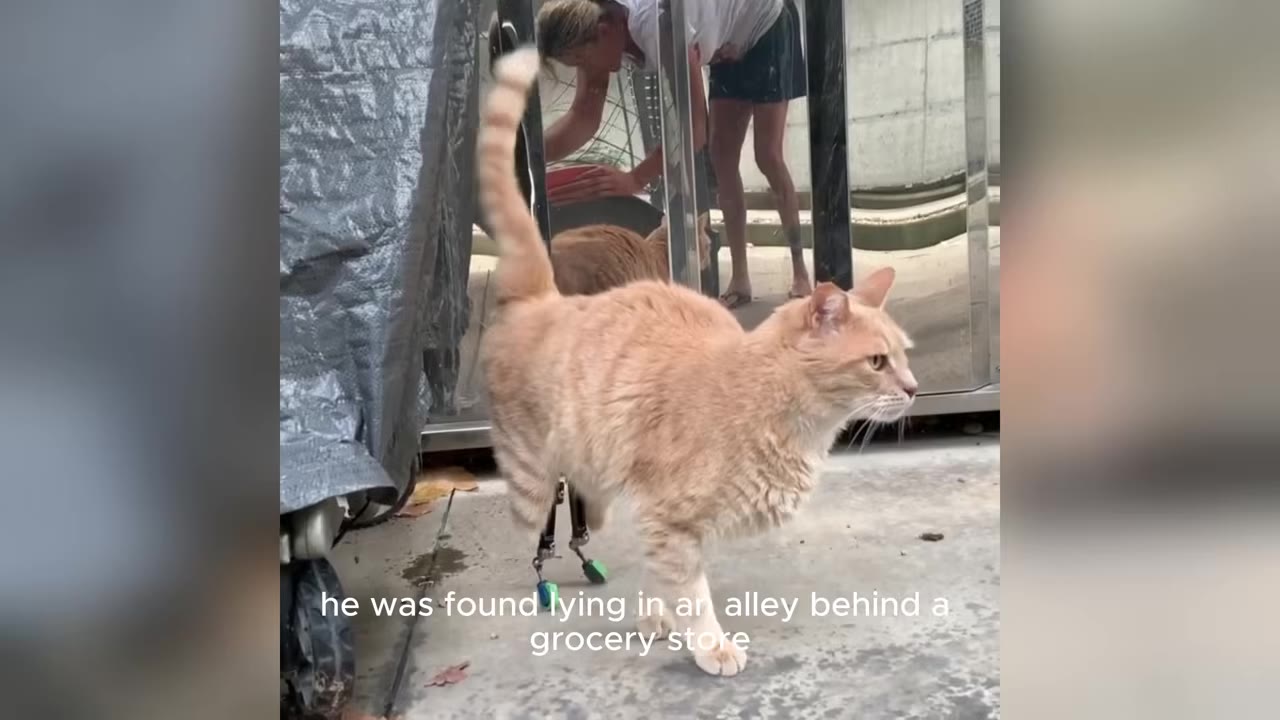
He was found lying in an alley behind a grocery store, soaked from the rain.
The small tuxedo cat was dragging himself forward with his front paws across the wet concrete. His back legs would not move at all, yet he pulled his own body forward like it was the only thing left he knew how to do.
With no collar, no microchip, and no history, someone eventually called it in. The shelter intake form had only one line under the cause of his condition: unknown.
A Quiet Kind Of Tragedy
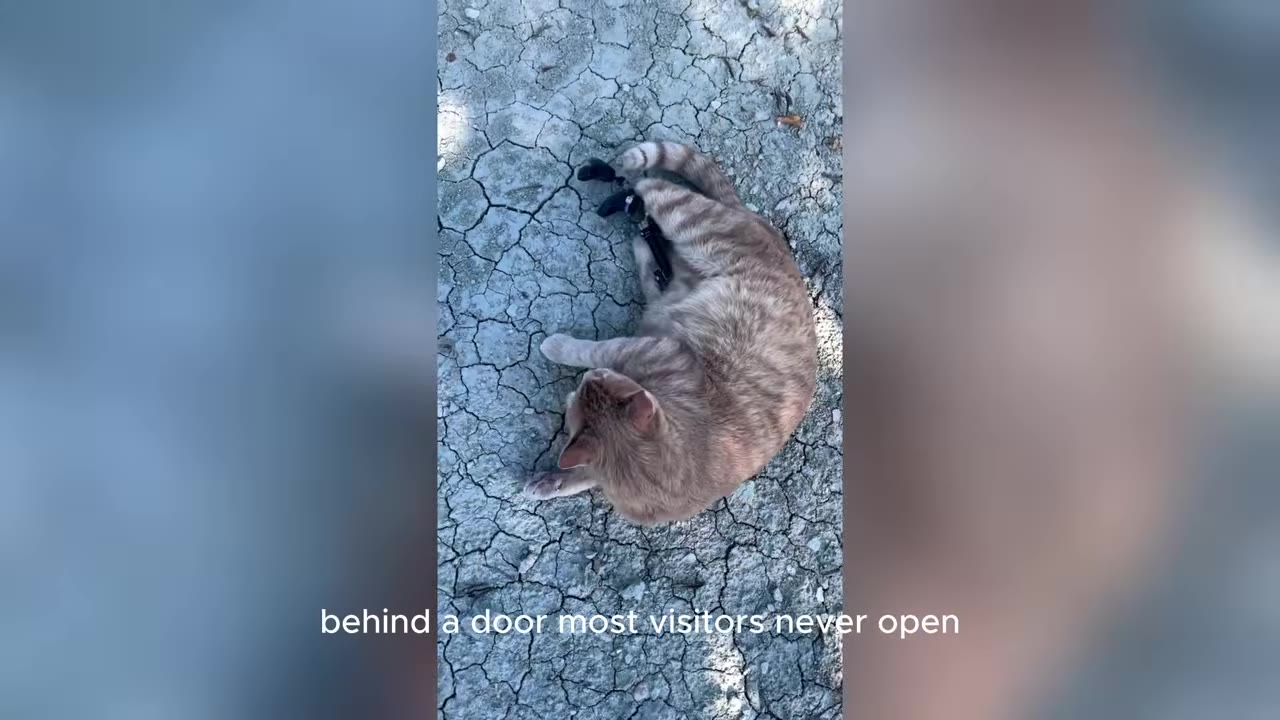
The vet tech who examined him found no visible injury, no broken spine, and no obvious trauma. His two rear legs simply did not respond, leaving the staff unsure if it was an old injury or a birth defect.
They named him Oreo because of the black patch over one eye and the white one over the other.
A paralyzed cat in an underfunded shelter is a quiet kind of tragedy, born not of cruelty, but of too many animals and too few hands. For 11 weeks, Oreo sat in a back kennel while visitors walked past him toward the cats who could stand up and greet them.
An Unbearably Quiet House
Then, one Tuesday afternoon, a 58-year-old retired physical therapist named Margaret walked in.
For 30 years, Margaret had spent her days teaching human bodies how to move again, helping stroke patients and spinal injury survivors relearn how to stand. But her own life had recently come to a standstill.
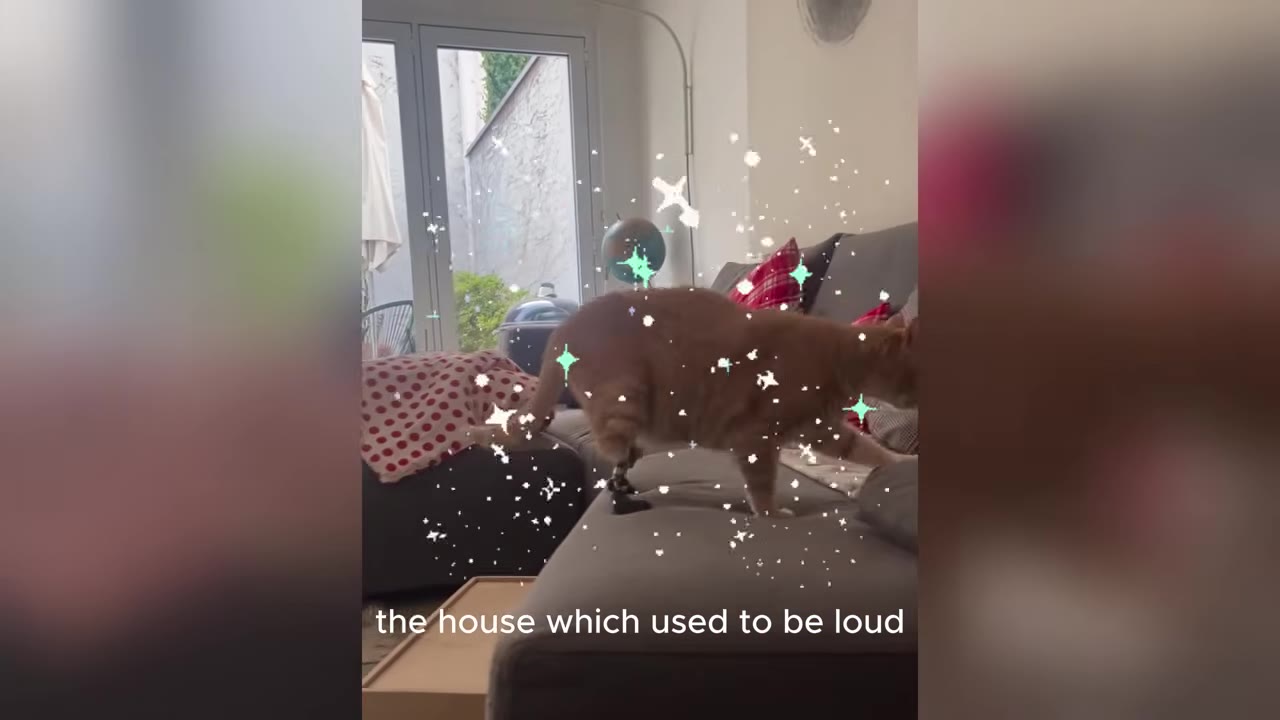
Her husband had passed away seven months earlier, leaving their once-loud house unbearably quiet. Her daughter had suggested a hobby, and her son had suggested therapy, but no one had suggested a cat.
A Familiar Determination
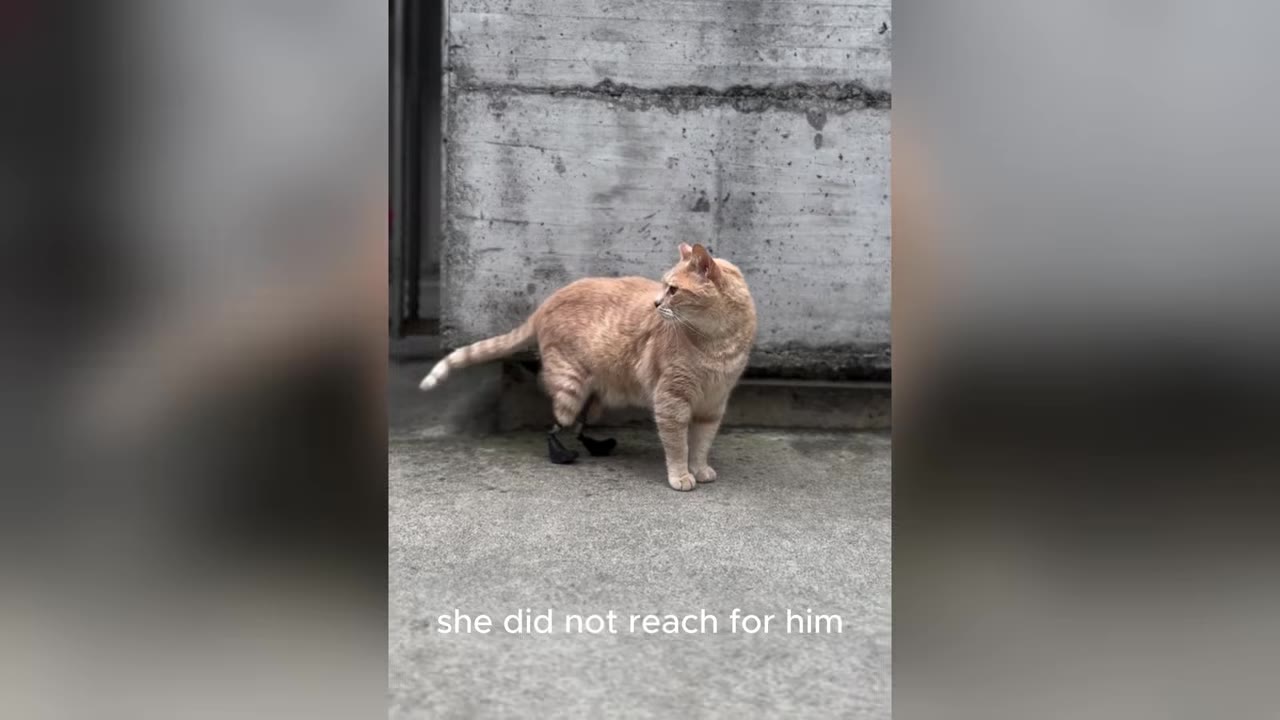
Margaret wasn’t even looking for a cat that afternoon, telling a volunteer she just wanted to look.
Then she saw Oreo in the back kennel, dragging himself toward his water bowl with a slow, stubborn determination. It was a movement she had seen a hundred times before in hospital hallways, in patients who refused to accept that their bodies were finished with them.
She didn’t see a broken cat. She saw a body that had not yet been taught what it could still do.
"He’s not paralyzed," she quietly told the shelter director. "He’s untrained."
The First Night In A New World
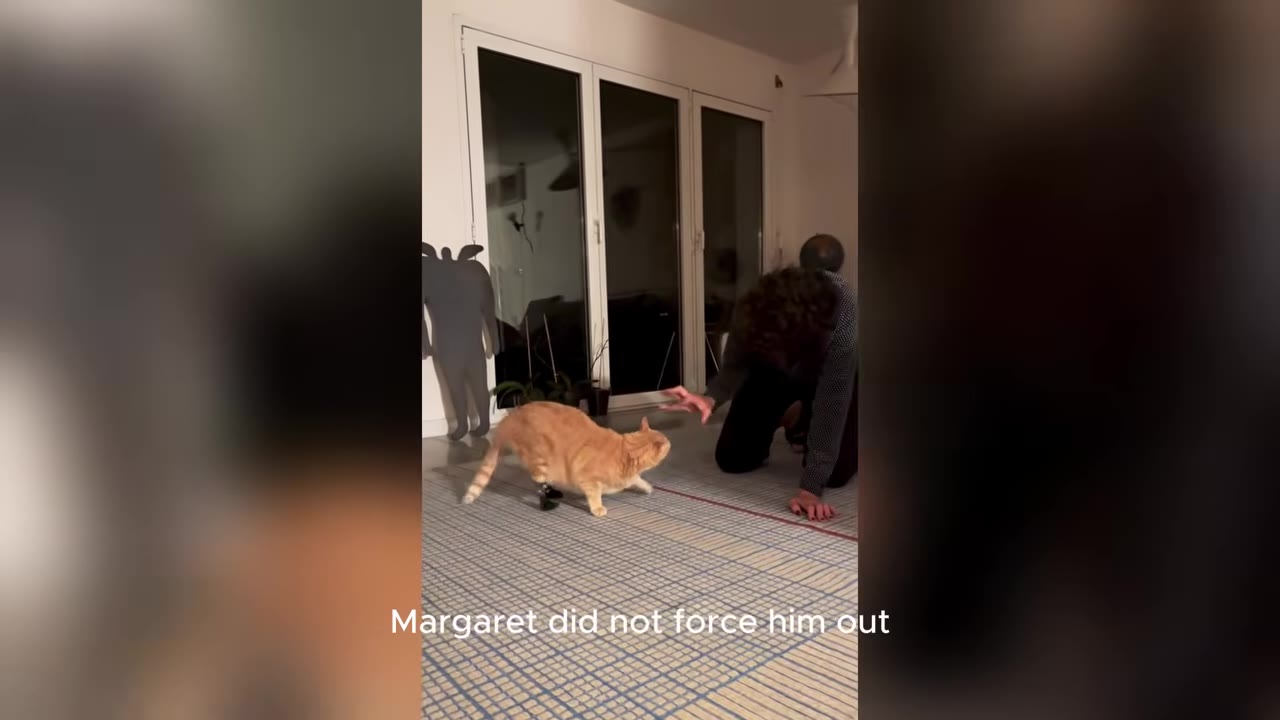
Margaret signed the adoption papers that same afternoon and brought the tuxedo cat home.
On their first night, Oreo hid under the couch, dragging himself into the smallest, darkest corner he could find. Margaret didn’t force him out.
Instead, she simply sat on the floor nearby with a book and read out loud, just as she used to do with patients who were too afraid to try. She left food close enough for him to reach, and by morning, the bowl was empty.
Building A Feline Treatment Plan
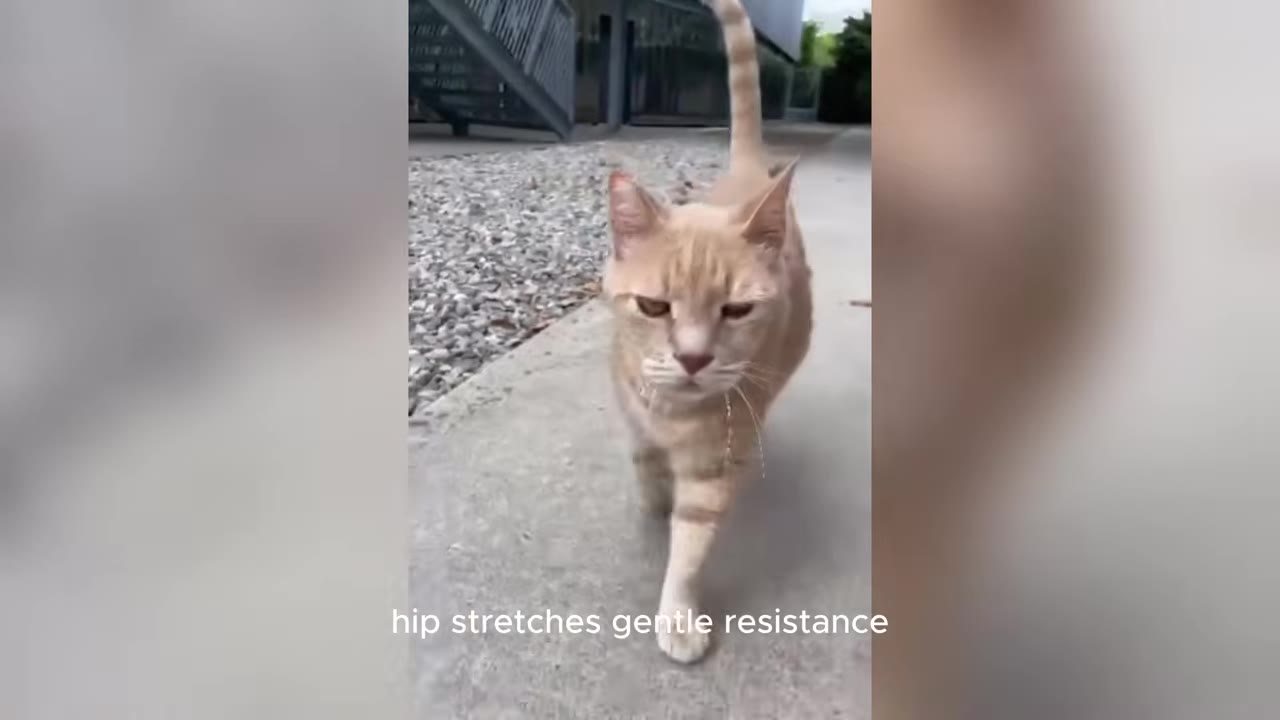
What followed was six weeks of what Margaret would later describe as the most important work of her life.
She built Oreo a small custom wheelchair from a kit, adjusting the straps herself the way she once adjusted braces for human patients. She mapped out short, careful sessions of hip stretches, gentle resistance, and muscle stimulation twice a day.
Margaret kept a small notebook by the kitchen door to track his range of motion, muscle response, and mood. She wrote down every small change, knowing from decades of practice that recovery is never one big leap.
The Slow March Of Progress
During the first week, Oreo could only tolerate two minutes of stretching before growing tired.
By Week 2, he began to tolerate the wheelchair for short bursts, rolling a few feet before collapsing in exhaustion. Margaret whispered the same encouraging words she had used for three decades in hospital gyms: "Good boy, one more, you’ve got it."
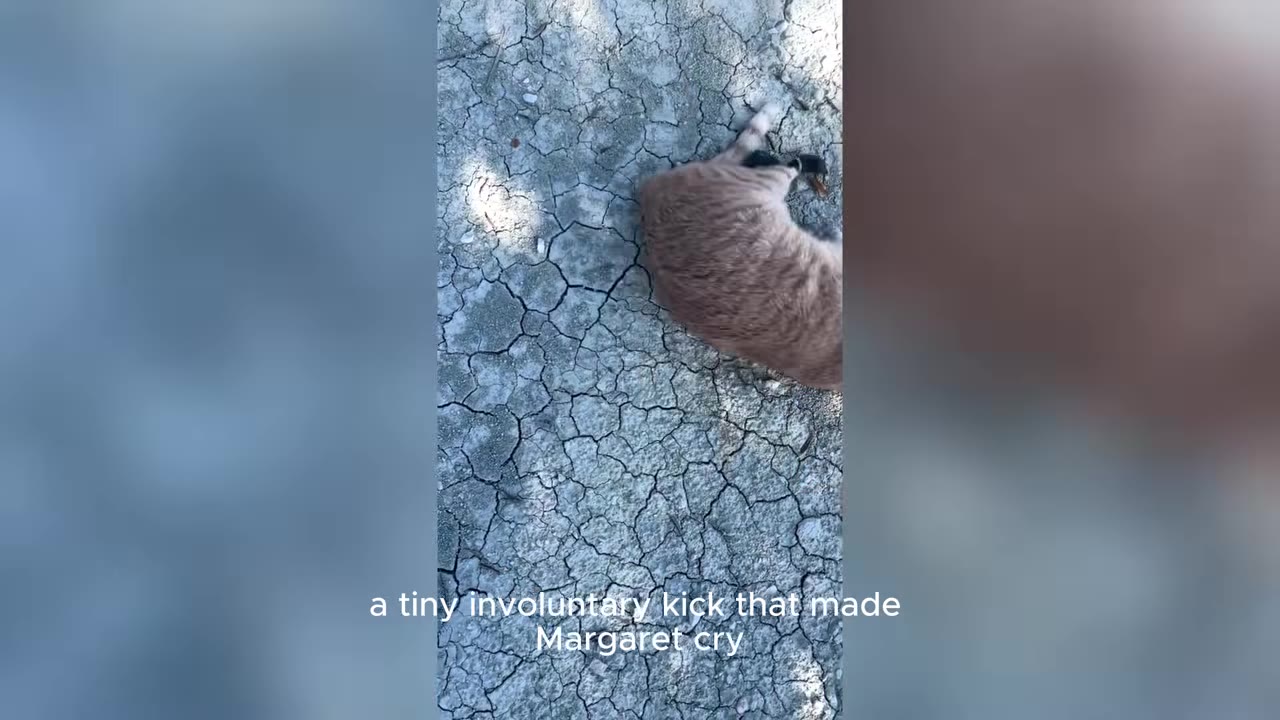
Then, in Week 3, something in his hips began to respond. A tiny, involuntary kick made Margaret cry right there on the kitchen floor.
Holding On For Ten Seconds

By Week 4, Oreo could push himself upright on his front legs and hold the position for nearly 10 seconds.
Margaret timed it on her phone like a proud coach, continually whispering her words of encouragement. Week 5 brought the first real movement when a single back leg shifted forward on its own by just an inch.
Margaret didn’t celebrate out loud, knowing the body does not like to be rushed. She simply kept going, believing in him before there was any proof to believe in.
An Ordinary Thursday Morning
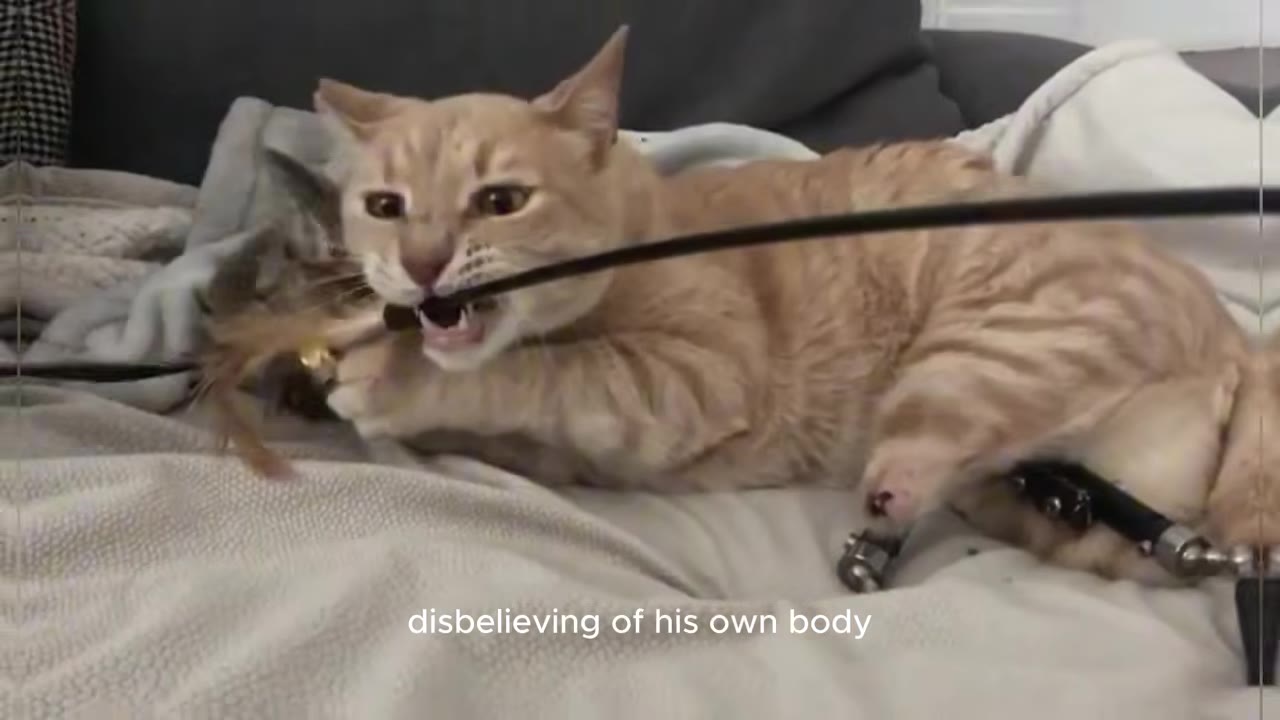
Then came Week 6, on what started as an ordinary Thursday morning.
Margaret set Oreo down on the kitchen tile for his usual session, expecting the same slow routine. Instead, Oreo pushed himself up on all four legs.
He stood there wobbling and trembling, before taking one step, and then another. Astonishingly, he walked the entire length of the kitchen floor and pressed his head against Margaret’s leg.
A Mutual Rescue
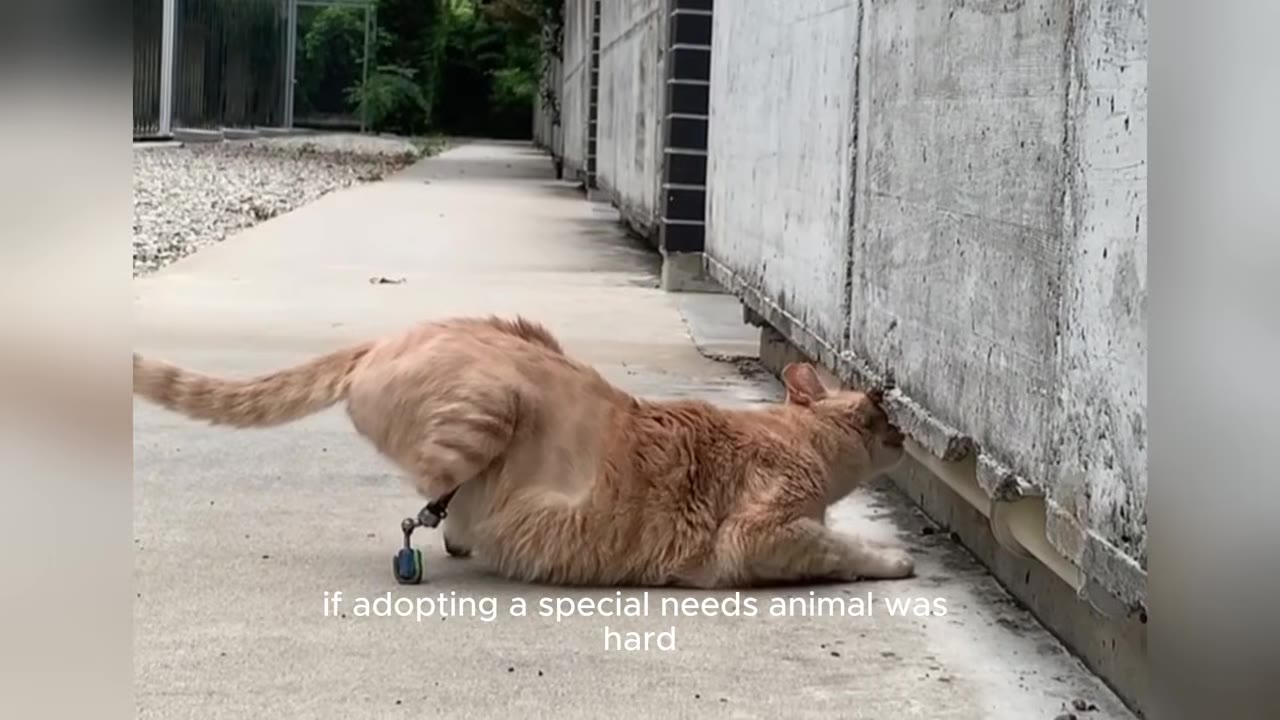
Margaret sat down on the floor and sobbed, experiencing the quietest, most private victory of her life. Thirty years of helping patients had finally paid off in her own kitchen.
Today, Oreo still uses his wheelchair for long walks, but most mornings he simply walks to Margaret’s side of the bed on his own four legs to wait for her to wake up.
When people ask if adopting a special needs animal was hard, Margaret tells them it wasn’t hard, it was familiar. She thought she was just teaching one more patient how to walk again, never realizing that a small tuxedo cat would teach her how to keep going, too.