Man Spots One Of The Most Endangered Creatures In North America And Catches It On Camera
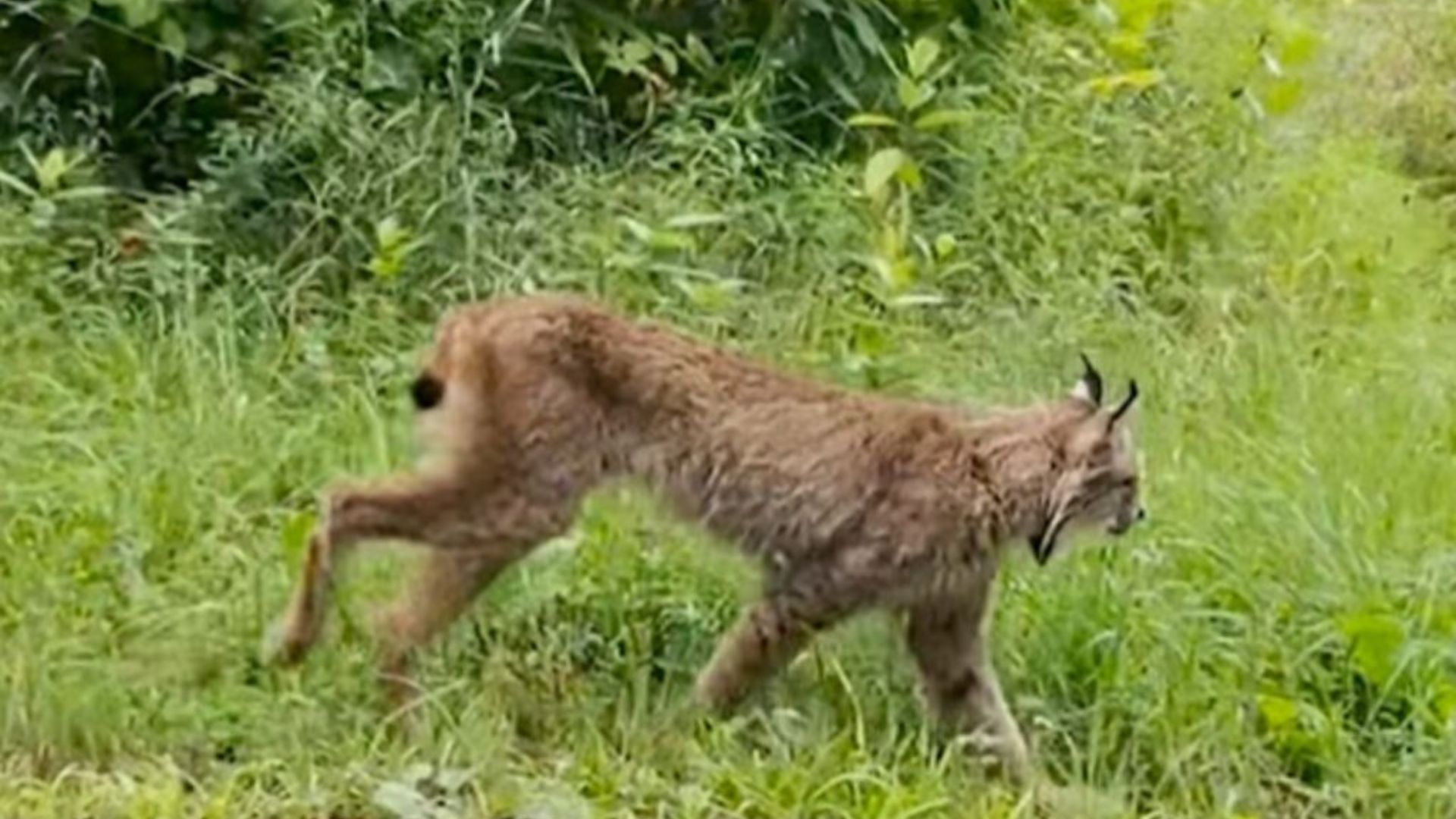
Gary Shattuck was driving along a winding back road when something on the side of the verge made him do a double take. At first glance, it looked like a large house cat, but something about it didn’t add up.
The animal moved with slow, deliberate confidence, not skittish, not hurried. It carried itself like it belonged there, like the quiet stretch of road was part of its territory.
Curious, Gary eased his foot off the gas, and the details came into focus. He quickly realized he wasn’t looking at someone’s pet. He was staring at something far more unexpected.
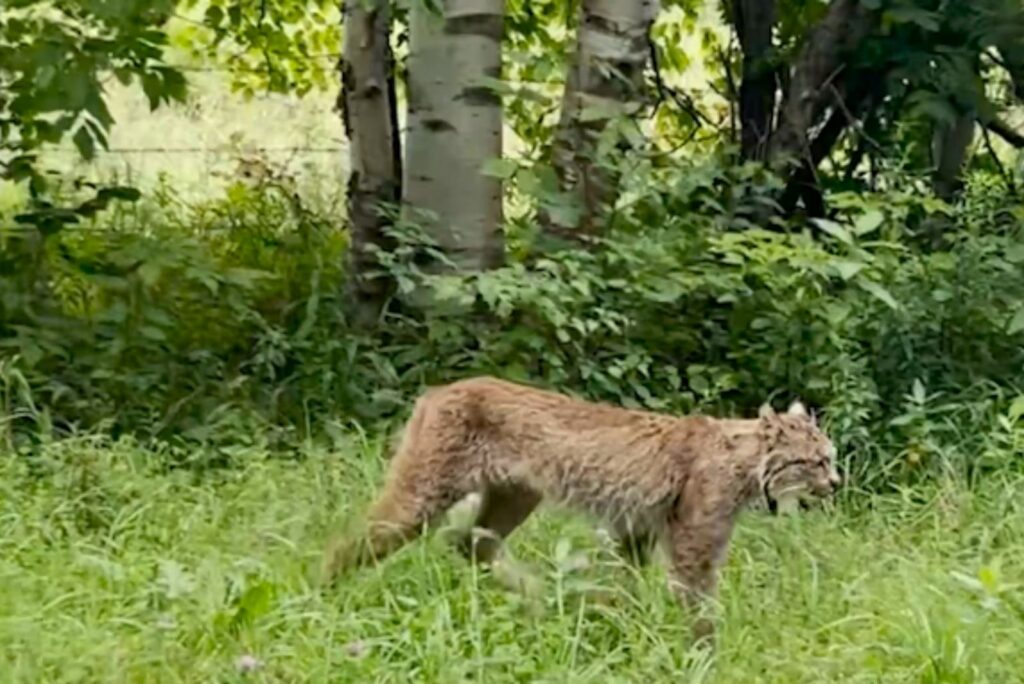
Curious, Gary pulled over and began recording the encounter on his phone. At first, he assumed it was a bobcat, which would not have been unusual in that part of the country.
Yet the more he watched, the more uncertain he became.
The animal’s features seemed different: the tufts of fur on its ears, its shorter tail, and the distinctive markings across its coat hinted at something far rarer.
To be certain, Gary sent the footage to local wildlife officials. Within hours, his video sparked excitement among conservation experts.
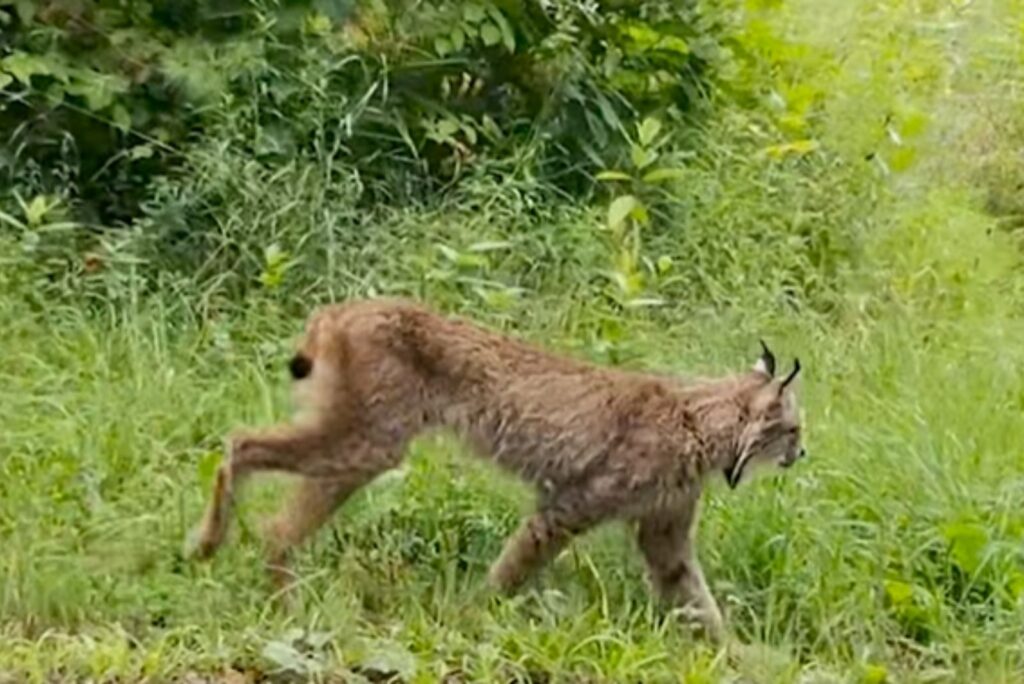
After studying the details frame by frame, they confirmed what Gary had suspected all along: this was no bobcat.
He had filmed a lynx, one of the most elusive and endangered wildcats in North America.
The revelation was remarkable. According to local records, no verified sightings of a lynx had been reported in that area for many years.
Their range had been thought to lie much farther north, making this appearance a significant find for conservationists.
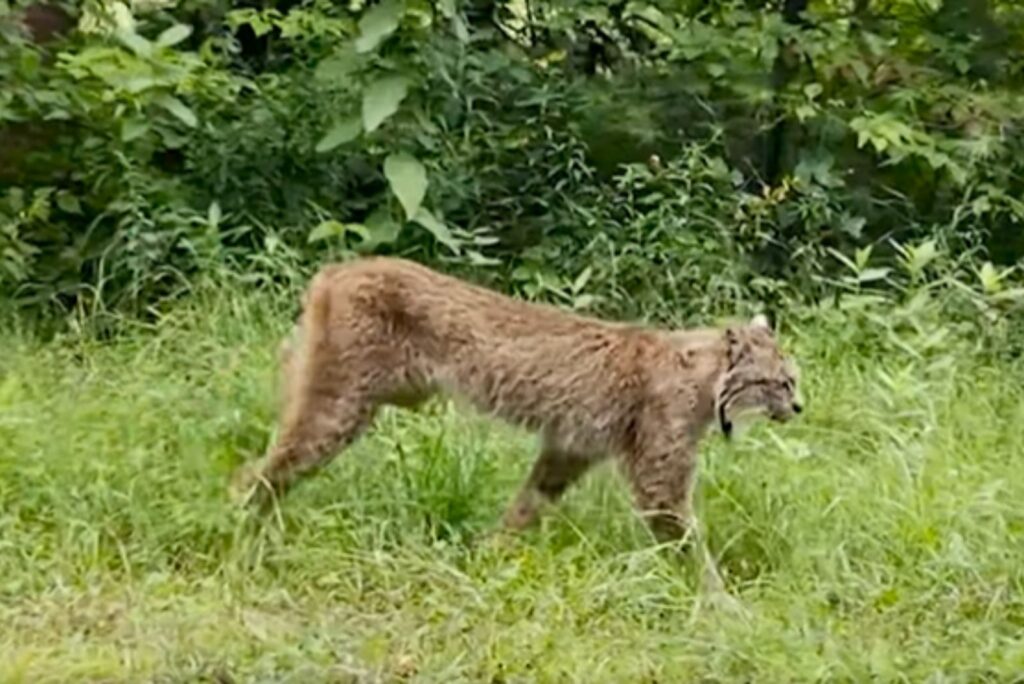
Wildlife experts explained that lynx sightings are extremely rare because these animals are solitary by nature and tend to avoid human contact.
They usually inhabit dense forests and remote mountain areas, making direct observation difficult.
Gary’s footage not only confirmed the presence of a lynx in an unexpected region but also provided vital data for ongoing research.
His quick thinking had helped scientists gather fresh insight into the population’s health, migration, and behaviour. Every piece of evidence counts for a species under threat from habitat loss, human encroachment, and climate change.
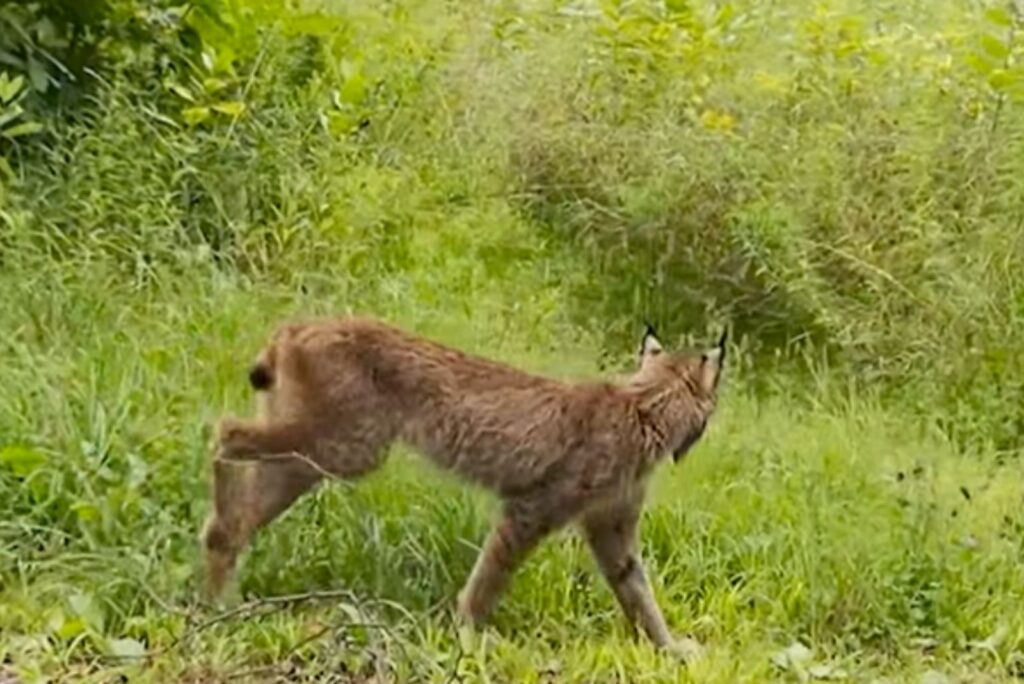
The officials reviewing the footage were encouraged by what they saw. The lynx appeared to be in excellent condition, with a healthy coat and steady gait.
Its calm demeanour suggested it was not in distress and had adapted well to its surroundings. For the conservation community, this was a hopeful sign that some individuals were surviving and possibly expanding their territory.
For Gary, the experience left a lasting impression. What had begun as an ordinary drive turned into something extraordinary.
He reflected later on how small, simple actions, like stopping to observe and record, can lead to discoveries that make a genuine difference.
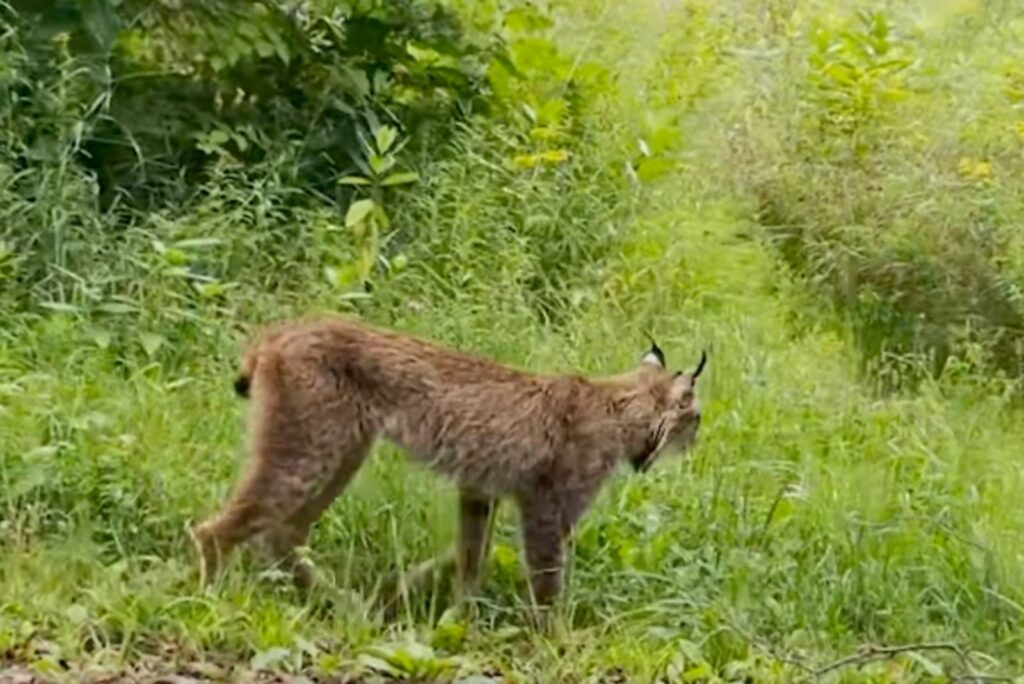
His video is now being used by biologists to help monitor the region’s wildlife activity and guide conservation strategies.
Officials have encouraged locals to remain observant but to avoid approaching or disturbing any wildcats they may encounter. Lynxes are sensitive and cautious by nature, and their safety depends on being left undisturbed.
This rare encounter serves as a beautiful reminder that moments of wonder can appear when we least expect them.
By simply paying attention, Gary became part of an important story, one that highlights the resilience of nature and the crucial role humans play in protecting it.
Somewhere out there, that lone lynx continues its quiet journey through the wild, unseen by most but now celebrated by many, a living symbol of survival and hope.