Pennsylvania Cat Was Returned Four Times In Six Years, Yet One Woman Refused To Walk Away
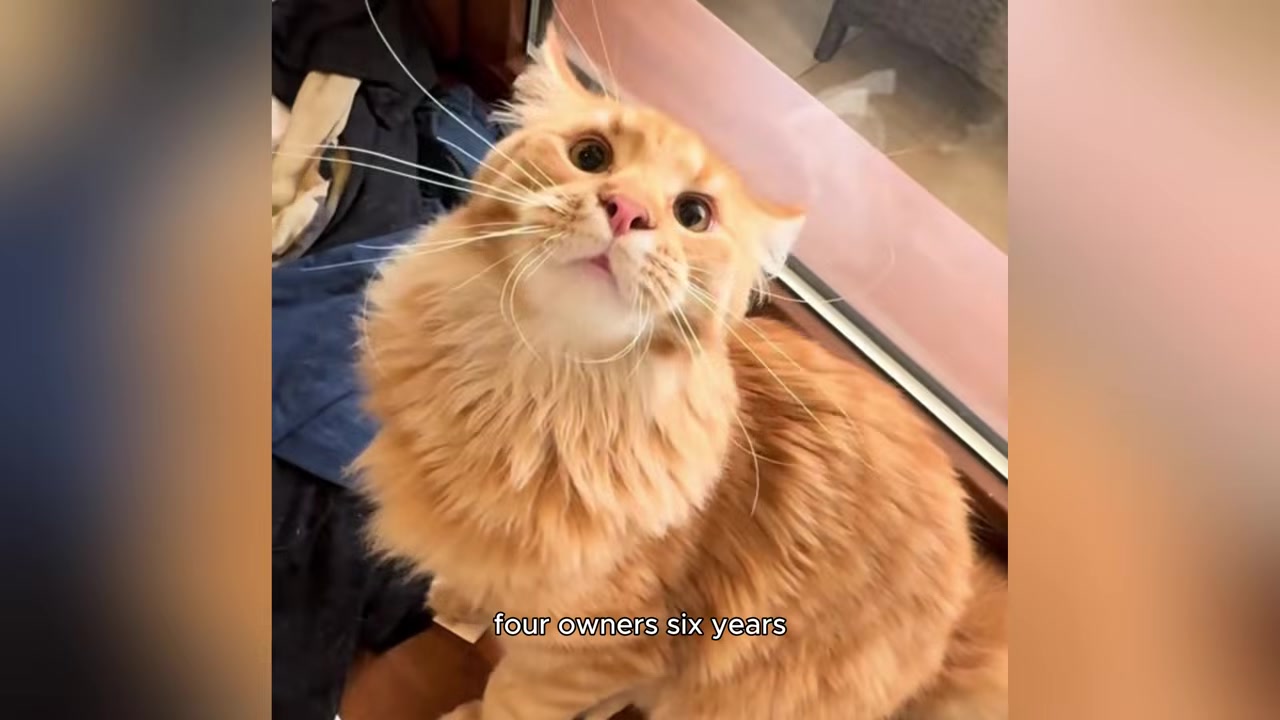
After being returned by four different families, a traumatized Maine coon was completely out of chances. Then, a seasoned foster volunteer stepped in and proved that patience can heal even the deepest emotional scars.
Running Out Of Chances
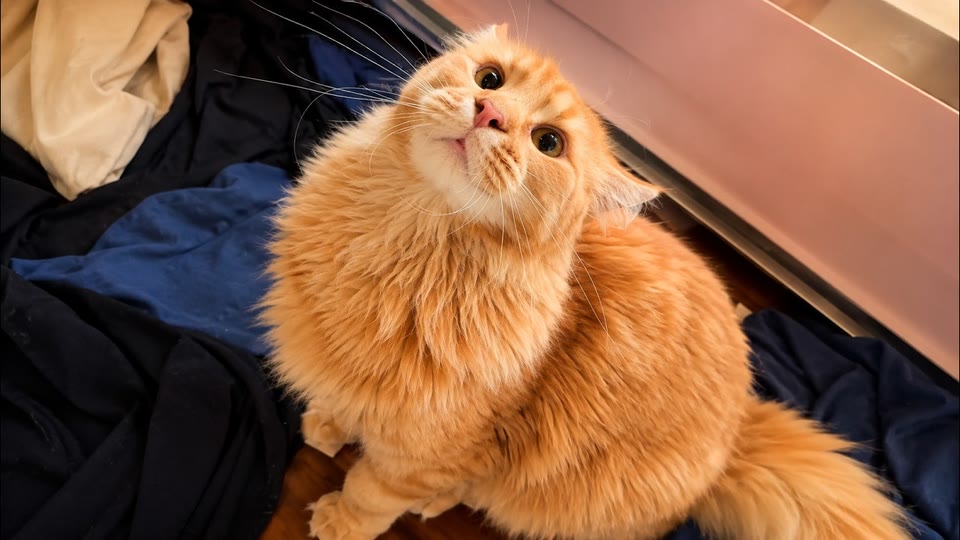
He had lived in four different homes in just six years. Four families had opened their front doors to him with hope, only to close them later with relief.
Every single time he was returned to the shelter, he was more emotionally damaged than before. George was a magnificent Maine coon, but his abandonment wounds ran incredibly deep.
The situation had grown so dire that even the shelter staff were losing hope. His own vet looked his prospective new owner directly in the eye and delivered a chilling reality: most people would have already euthanized him.
Standing in the rescue center with a pen in her hand, the woman was about to become his fifth owner. She had absolutely no idea what she was truly signing up for.
The Longest Drive Home
She wasn’t unprepared in the general sense, having fostered animals regularly for years. Working with the city, she was used to taking in the difficult cases that nobody else wanted.
She had seen fear and aggression before, and she thought she understood what a damaged animal looked like. But not a single past experience prepared her for the journey ahead.
During the one hour and 45-minute drive home from the rescue center, George screamed relentlessly. It wasn’t just occasional noise; it was a raw, ear-splitting scream that filled the car.
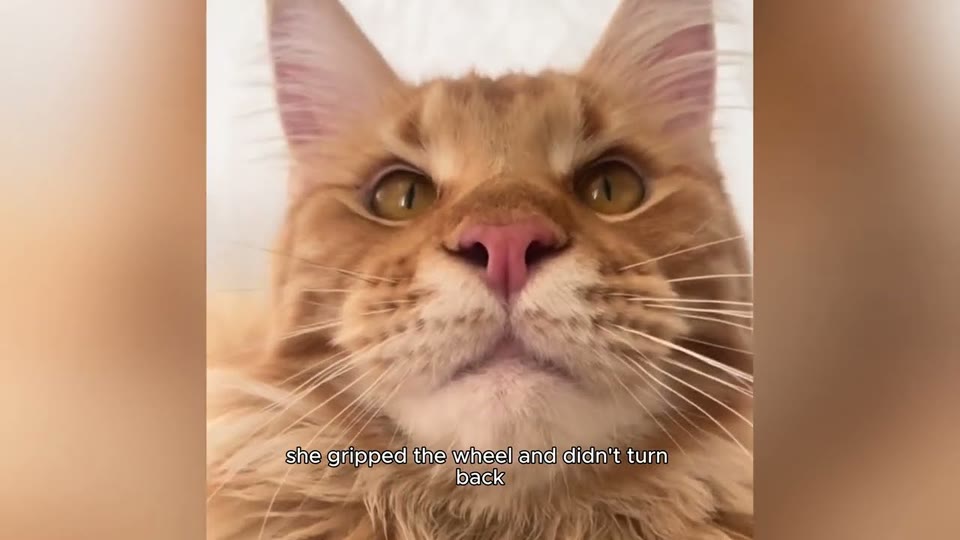
From the moment she pulled out of the parking lot to the moment she turned off the engine in her driveway, he was completely terrified. She gripped the steering wheel, wondering what she had just done, but she didn’t turn back.
A Background Of Fear

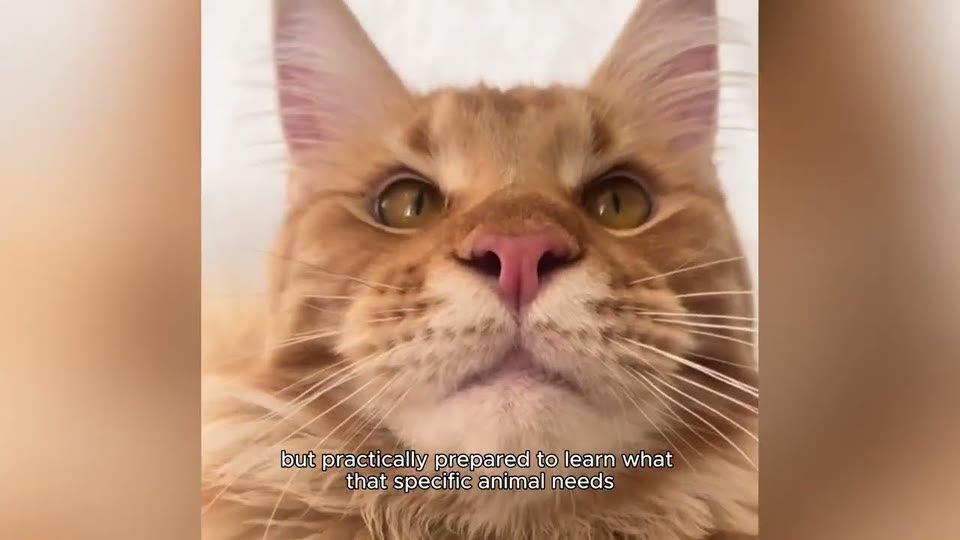
George was a Maine coon, one of the most commanding and magnificent cat breeds in existence. Known for their massive frames and lion-like manes, adult males routinely reach 20 to 25 pounds.
They are regal creatures that can fill a room simply by existing in it. But George’s early life had been shaped by profound fear and instability.
His very first owner had kept very large dogs that played extremely rough with him. This happened during his critical early months, when a young animal is just learning what is safe.
Those rough interactions taught him at a cellular level that the world was dangerous. Nobody had warned his new owner about any of this before she signed the adoption papers.
The Triggers Of Abandonment
The first week in his fifth home was not an adjustment period; it was absolute chaos. George didn’t just resist his new environment—he actively and deliberately attacked.
The heartbreaking pattern established itself within a matter of days. The moment his new owner reached for any coat or jacket hanging by the door, he launched into motion.
A hand moving toward the front door handle meant he was about to be abandoned again. He became a blur of orange fur and focused fury, his claws fully extended.
To George, alone wasn’t just an inconvenience; it was catastrophic. He attacked because it gave him the illusion of control over the abandonment he was sure was coming.
The Scars Of The First Month
She soon bore the physical proof of his deep-seated panic. A quiet, permanent constellation of old wounds stretched across her hands and forearms.
These scars were souvenirs from that first desperate period of living together. She was trying everything she could think of to calm him, but nothing was working.
The exhaustion of constantly managing his triggers started to feel incredibly heavy. During that first month, she called a close friend and admitted she didn’t think she could do it.
Her friend simply told her to give up and let him go. Despite the pain and the exhaustion, she refused to listen.
A Lesson From The Music Room
The pivotal shift in their relationship finally arrived around week three. She made a conscious decision to stop meeting his escalation with her own emotional reactions.
Drawing on her decades of experience teaching violin to frustrated students, she applied the same patience to George. She had been doing this work since she was 13 years old.
That background taught her the profound difference between demanding improvement and creating an environment where it becomes possible. She started applying this exact philosophy to her traumatized cat.
She began reading his body language instead of simply reacting to his outbursts. It was the first step toward rebuilding a trust that had been broken four times before.
The Eleven-Second Warning
She started studying the highly specific signals George gave off right before an incident. She noticed a subtle forward tilt of his ears that appeared approximately 11 seconds before an attack.
His tail would go completely and unnaturally still right before the explosion. Recognizing these signs changed everything about how they interacted.
If she caught him at the eight-second mark, she would calmly place him in a separate room for 10 to 15 minutes. There was no yelling, no frustration, and no emotional charge whatsoever.
Without the emotional fuel to feed his panic, something inside him reset every single time. Refusing to feed the negative behavior with emotion became the foundation of their progress.
A Medical Breakthrough
Working closely with her vet throughout the process, she realized George’s issues were not surface-level anxiety. His trauma ran years deep, requiring more than just behavioral training.
After observing him and hearing his full history, the vet raised the possibility of using Prozac. She hesitated at first, researching everything she could find before finally saying yes.
Within weeks, the baseline dread that had been living inside George’s body began to quiet down. The constant, low-level panic that never fully switched off finally started to soften.
It didn’t disappear completely, but it softened just enough for the training to reach him. Slowly, she was able to harness and leash-train him, taking him on walks where strangers could safely pet him.
A Tiny, Unexpected Miracle
The ultimate test came when she fostered a litter of three tiny kittens through the city program. They were no older than five weeks, their eyes still adjusting to the world.
Unsure how her unpredictable Maine coon would react, she kept the interaction tightly controlled. Through a cracked door, she watched as George lay flat on the floor, resting his chin on his paws.
He watched the tiny kittens with an expression she had genuinely never seen on his face. It wasn’t aggression or tension; it was a look of pure, gentle wonder.
Over the following days, the same cat who used to attack over a coat was lying completely motionless. He patiently allowed a five-week-old kitten to walk right across his back as though it owned him.
The Home He Always Needed
It has been almost two years since that terrifying drive home, and George is not the same cat. He now greets her daughters with ease, snuggling with them on his own terms and on his own timeline.
He still tears up cardboard boxes with professional enthusiasm, and he occupies more couch space than any animal should. He has destroyed two complete couch sets and three rugs, but she accepts all of it.
She stopped expecting him to become a perfect, different cat, and started respecting him exactly as he was. Progress arrived in tiny resets and small windows of patience.
George didn’t need a flawless environment or a family that would give up when things got hard. He just needed someone who would finally stay, and she did.