Ohio Nurse Adopts A Cat Everyone Looked Past, Then A Midnight Wake-Up Call Changes Everything
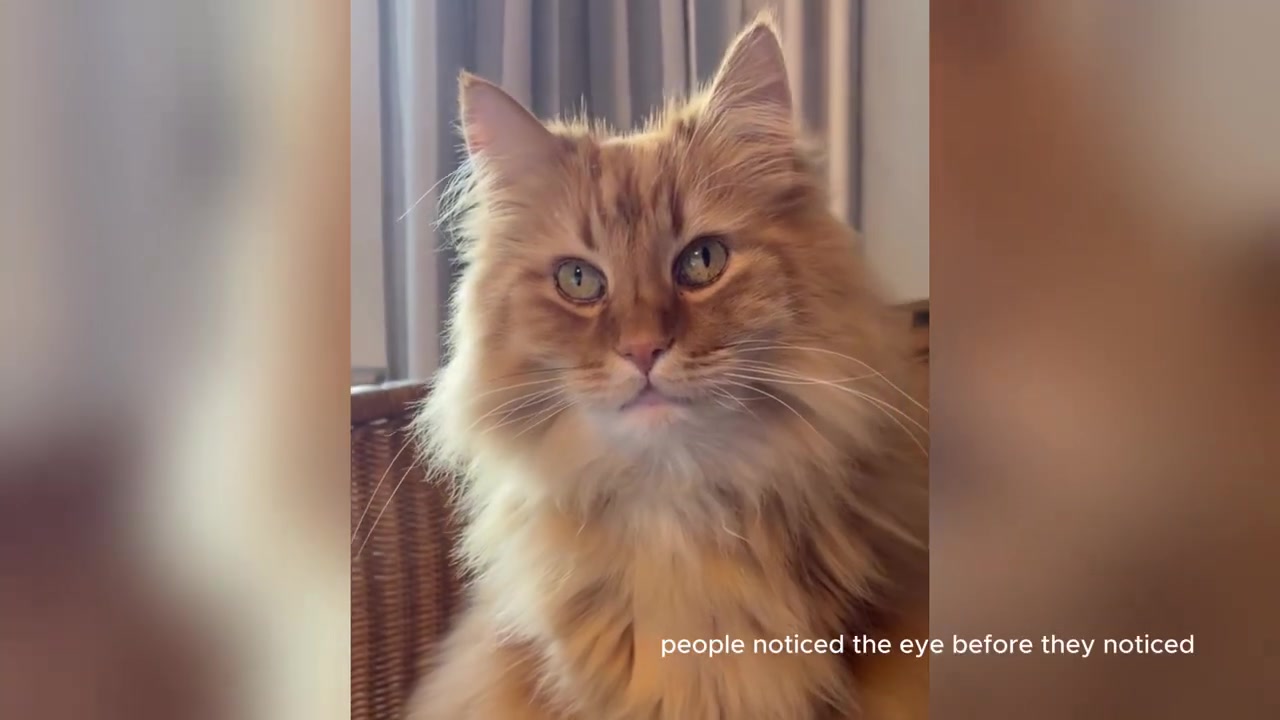
When a hospice nurse adopted a ginger cat that shelter visitors constantly overlooked, she thought she was just giving him a quiet place to land. She had no idea his careful watchfulness would soon become her lifeline.
A Life Paused By Grief

People usually noticed the eye before they noticed anything else about him. It was clouded, half-closed, and permanently unfocused in a way that made most shelter visitors glance away out of a kind of reflexive discomfort.
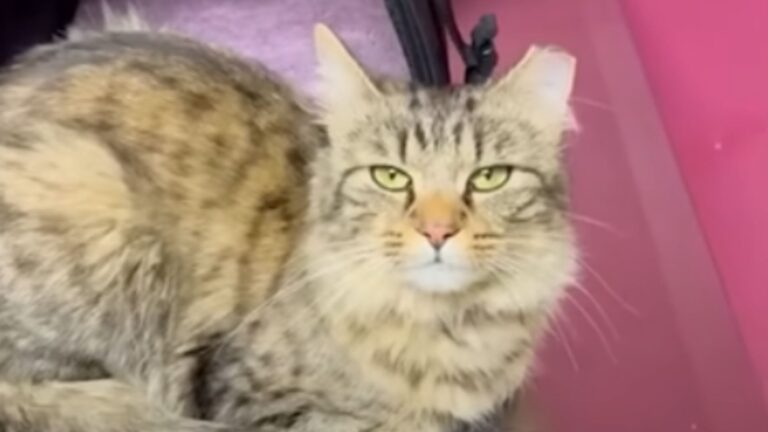
He was a ginger longhair with a coat the color of burnt honey, and by every other measure, a striking cat. But his left eye had never fully recovered from a kittenhood infection, leaving the pupil a pale grey-green that never quite matched its healthy counterpart.
Adopters would coo over his beautiful coat and calm temperament, only to catch sight of his face and involuntarily retreat. At nearly two years old, the shelter was running out of ideas for how to place him.
Ruth Castellano, a 63-year-old hospice nurse, knew all about sitting with people in their hardest, quietest moments. She had spent thirty years doing exactly that.
But when her husband Frank passed away after a slow decline eighteen months earlier, all her professional experience couldn’t prepare her for the personal devastation.
She had taken a leave from work, eventually stopping any mention to her supervisor of when she might return.
The Gentle Suggestion

It was Ruth’s sister who finally suggested a visit to the local animal shelter. She did it gently, the way people offer ideas to someone they are worried about but don’t want to push too hard.
A shelter volunteer walked Ruth past several enclosures before they reached the ginger cat named Murphy.
He was curled in the back corner of his kennel. His clouded eye faced outward, giving him an expression that sat somewhere between wariness and resignation.
Seeing Past The Surface
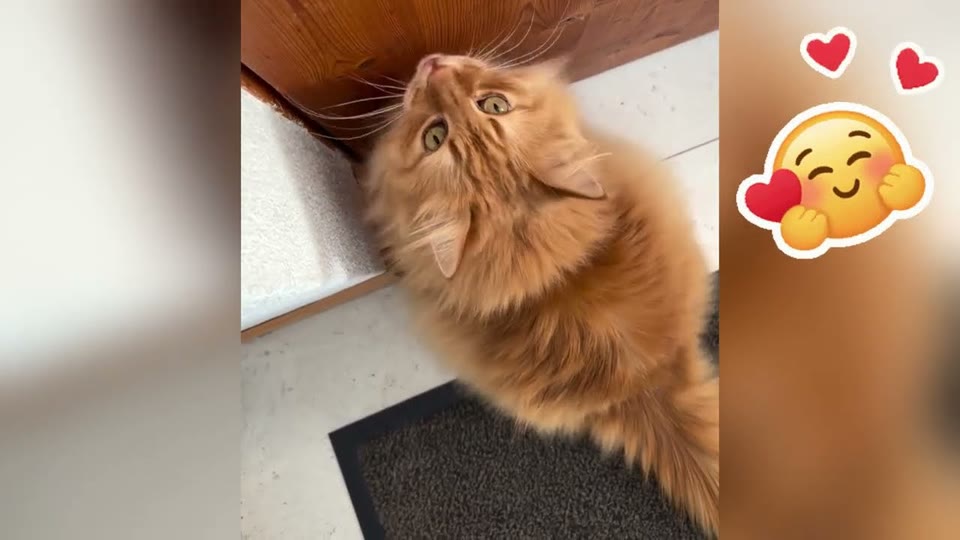
The volunteer almost apologetically mentioned the eye before Ruth could even ask. People just found it a little off-putting at first, the volunteer explained, even though he could see fine out of the other one.
But Ruth had spent three decades reading faces altered by strokes and frozen by grief. She didn’t flinch or look away from Murphy the way the volunteer seemed to expect.
Instead, she crouched down and studied him properly, the way she used to study a patient’s chart. Murphy watched her back, his working eye steady and unblinking.
"You’re not broken," she told him quietly. "You’re just asymmetrical. There’s a difference." She adopted him that afternoon.
Adjusting To A New Space

The first month at Ruth’s house was quiet, which suited them both perfectly. Murphy explored his new world slowly and deliberately.
He favored rooms with good light on his right side, positioning himself in doorways and chairs where his working eye could take in the most visual information.
Ruth noticed how he always turned his head slightly to bring things into his good field of vision, rather than missing them on his weaker side.
Without quite meaning to, she began doing something similar. She started angling her own chair in the evening so her good ear faced the room, finding a shared rhythm in their quiet compensations.
A Guardian At The Door
By the second week, Murphy started sleeping at the foot of her bed. He always positioned himself so his clouded eye faced the wall and his working eye faced the door.
Ruth found the logic of his positioning oddly comforting. It was a small, practical wisdom in how he had arranged his own vulnerability.
As late autumn arrived, Ruth felt ready to return to hospice work part-time. Her sister called it the first real sign of life she’d seen from Ruth in over a year.
Ruth credited the shift to a cat who taught her that half a working system could still function beautifully, if you understood its actual shape instead of grieving the shape you expected.
Keeping Close Tabs
Murphy soon settled into a comforting routine, following Ruth through the house with his deliberate, careful positioning.
He even started greeting her at the door some evenings, something the shelter never mentioned he could do. He would wait with his head tilted at the perfect angle to watch her walk up the path.
Ruth’s neighbor, Dolores, who had known Frank for over twenty years, remarked that Murphy seemed to watch Ruth the way a person watches someone they’re keeping tabs on.
Ruth laughed it off at the time. But she secretly loved the constant company of something that paid such close attention to her comings and goings.
An Unremarkable Thursday
The night it mattered most came on a seemingly unremarkable Thursday in January. Ruth had been fighting a stubborn cold for days and felt deeply exhausted.
She went to bed early, took her evening medication, and brushed off a wave of mild nausea.
She assumed it was simply the cold running its course, making everything feel heavier than it actually was.
But sometime past midnight, her quiet night took a sudden and terrifying turn.
The Midnight Alarm
Ruth woke to find Murphy standing directly on her chest. His weight was firm and insistent in a way he had never been before.
His working eye was fixed on her face with an intense, unblinking focus she had never seen from him.
He began making a sharp, repeated sound that was nothing like his usual quiet chirp.
Disoriented and increasingly nauseous, Ruth tried to wave him off. That’s when she realized her hand was far slower to respond than it should have been.
A Call For Help
Through the haze, thirty years of professional instinct kicked in. She recognized distantly that her body was having a dangerous, accelerating reaction to the medication.
Murphy refused to move from her chest. He stayed there, his sharp cries continuing until Ruth managed to move with deliberate slowness and reach her phone.
She called for help just in time. Paramedics arrived and confirmed what her instincts had already suspected.
The adverse reaction was serious enough that a delay of even another hour might have changed the outcome considerably.
The Perfect View
When one paramedic packing up his equipment asked what had woken her in time, Ruth simply glanced at Murphy sitting stiffly by the door. "Just a feeling," she said.
She returned home two days later to find Murphy exactly where she had left him. He was curled at the foot of the bed, his working eye watching the door for her return the way he always had.
The shelter volunteers had worried that Murphy’s eye would keep him overlooked indefinitely. They hadn’t accounted for a woman who knew that damage and function weren’t opposites.
Today, when visitors ask about his eye, Ruth tells them he doesn’t miss a thing. He just learned early how to look at the world the way it actually is, and in doing so, he saved the person who finally looked back.