Michigan Bear Who Survived Years With Plastic Lid Stuck Around Its Neck Is Finally Set Free
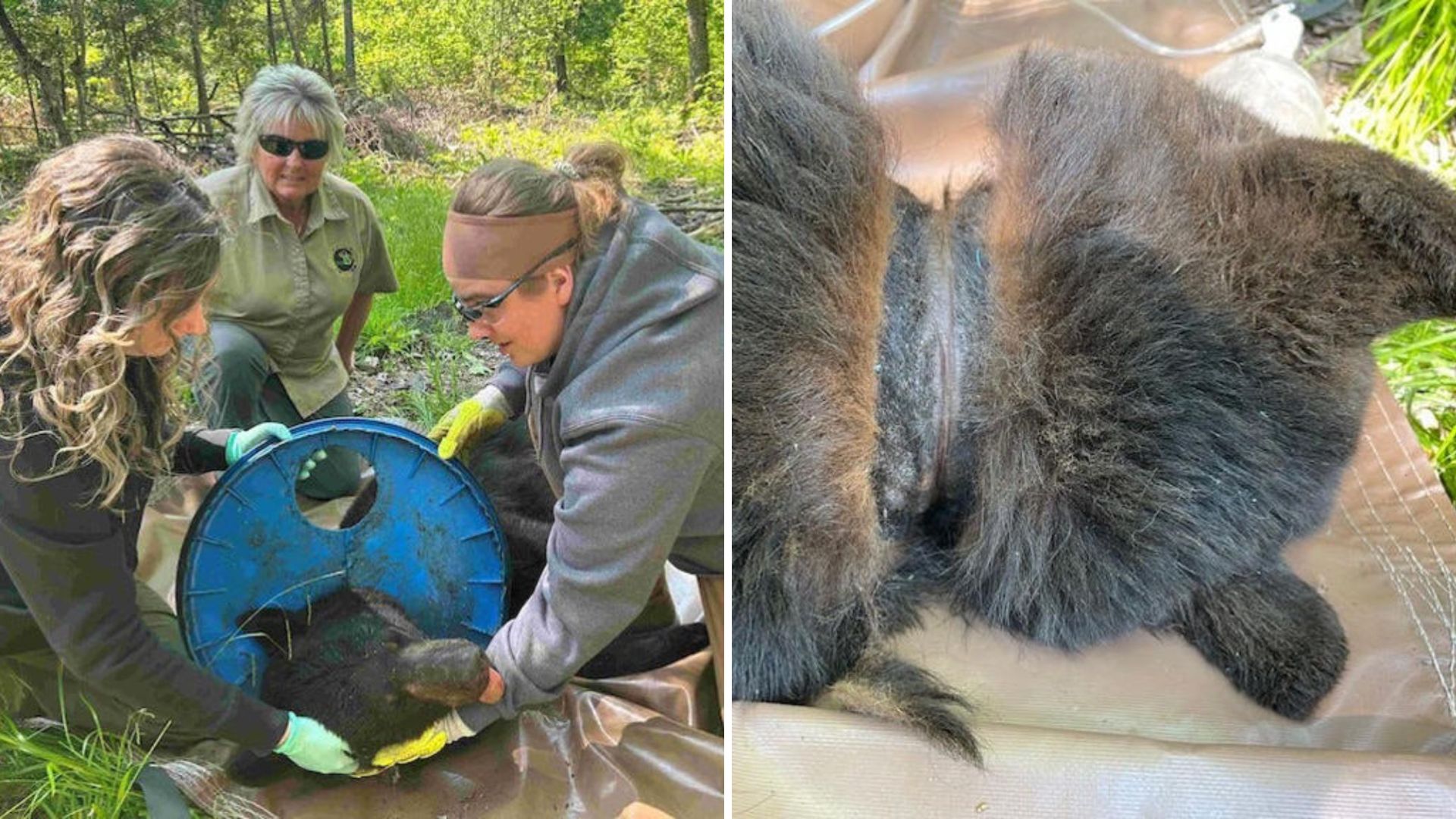
Biologists with the Michigan Department of Natural Resources (DNR) had been keeping track of a juvenile bear spotted multiple times with a plastic lid stuck around its neck.
The lid had a 5-inch hole and likely came from a 55-gallon drum, the type hunters or landowners often use to store food or bait.
Somehow, the bear had slipped its head through the opening but couldn’t get it back out.
Despite the risky situation, the bear survived in the wild, growing into a 110-pound two-year-old.
Still, the plastic ring dug into its skin, causing injuries, scars, and even an abscess. It was a miracle the bear managed to get by this long.
The breakthrough came recently, when a Hillman, Michigan, resident spotted the bear on a trail camera on his property. Recognizing the lid, he quickly contacted the DNR.
With the landowner’s permission, biologists set up a baited live trap, hoping to finally capture the bear. After years of near misses, they succeeded.
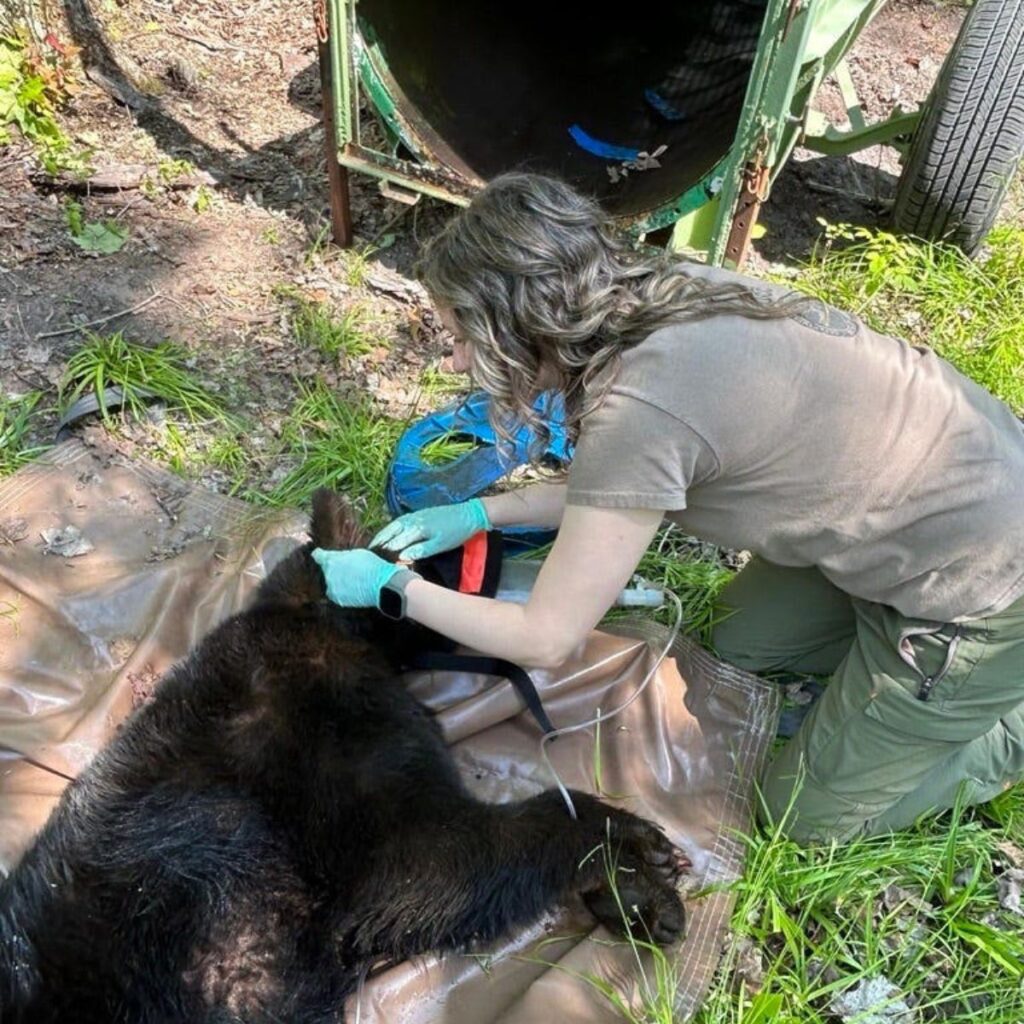
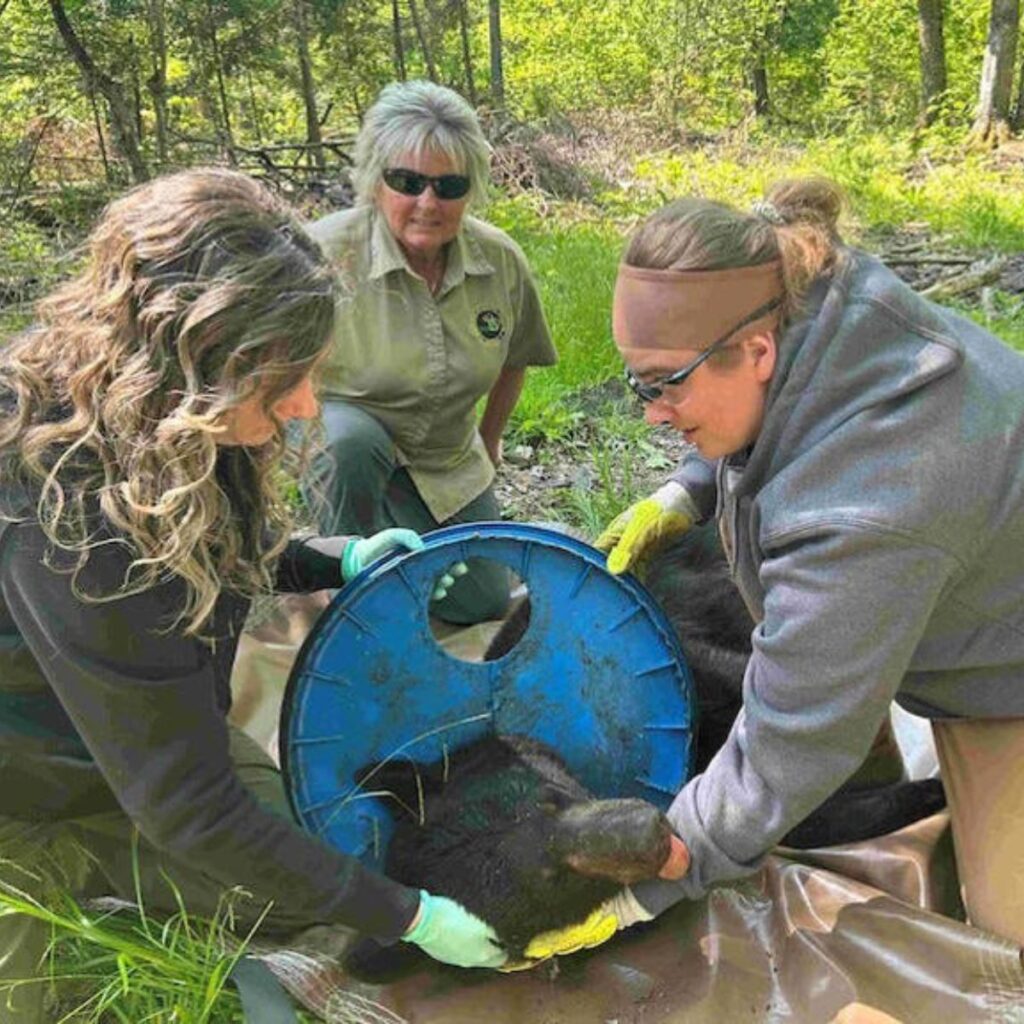
Once safely trapped, the bear was sedated, and the wildlife team carefully removed the plastic lid and treated the wound.
They also collected information on the bear’s weight, size, and overall health.
Apart from the neck injury, the young bear was in surprisingly good shape for an animal that had spent two years trapped in plastic.
The DNR confirmed that the bear weighed about 110 pounds, typical for a two-year-old male, and expected it to recover fully now that the obstruction was gone.
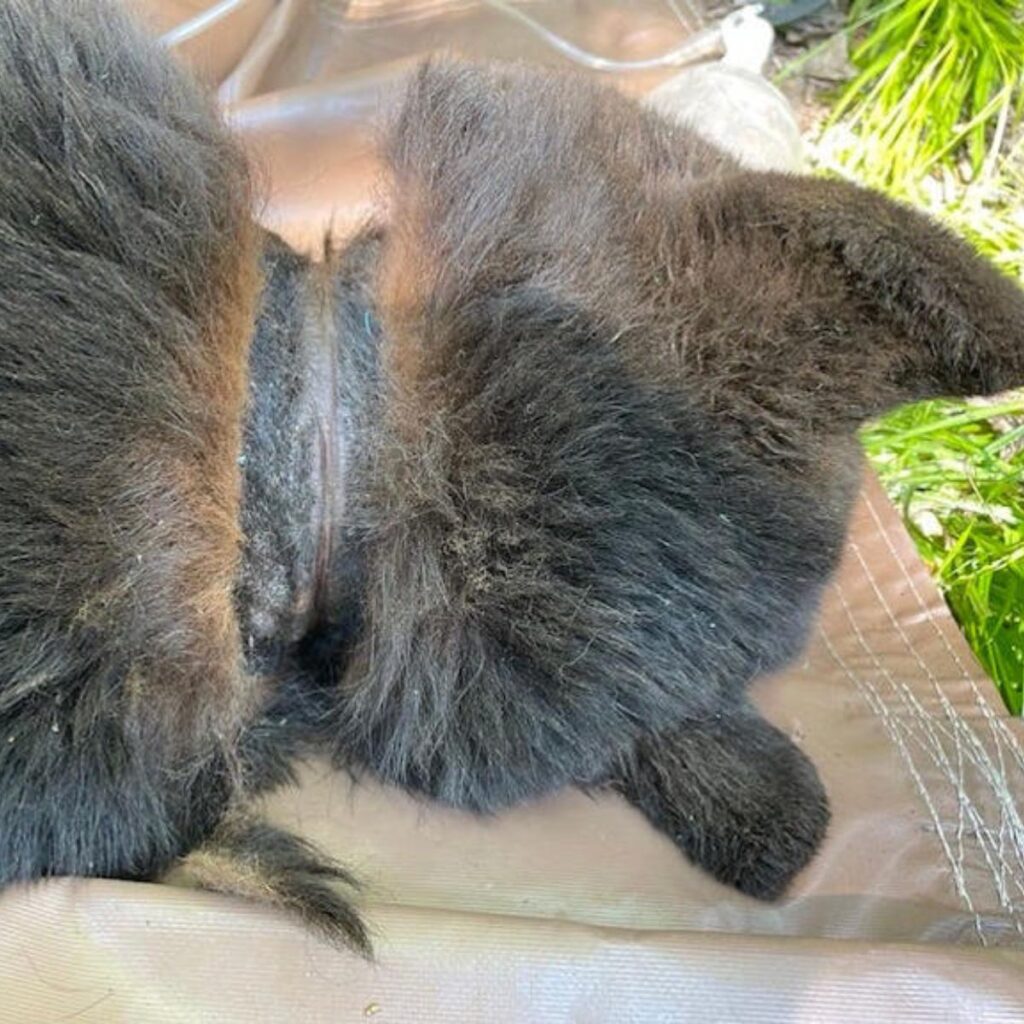
Officials believe the lid came from a 55-gallon drum used for bear bait or animal feed. While baiting bears is legal in Michigan under certain rules, containers must be safe, as the DNR explained in an interview:
“While baiting is a legal method for hunting bears in Michigan, bait containers can only be used on private land and may only have holes that are either 1 inch or less in diameter or 22 inches or greater in diameter.”
Young, curious animals can easily get trapped in openings of certain sizes, and not every story ends as well as this one.
To prevent accidents, the DNR urges hunters and landowners to secure food, garbage, and animal feed, recycle or crush empty containers, and check that openings aren’t dangerous.

After treatment, the bear was released back into the same area where he had been captured, free to roam without the heavy lid that had weighed on it for two years.
With its neck healed and the obstruction gone, it can explore, forage, and grow just like any other young bear should.
Thanks to a watchful landowner who spotted it, the swift action of dedicated biologists, and a little bit of luck, this young bear finally has the opportunity to live a normal, healthy life in the wild.