
Fatal ‘Kissing Bug’ Disease Found In 32 U.S. States Is Now Endemic And 8 Million People Have It
If you think mosquitoes are annoying, wait until you learn about the so‑called “kissing bug.” Sounds almost cute, right? Like it’s going to give you a friendly peck?
Don’t be fooled. Despite the sweet nickname, these insects have a much darker side.
Kissing bugs aren’t spreading love; they’re spreading a dangerous parasite.
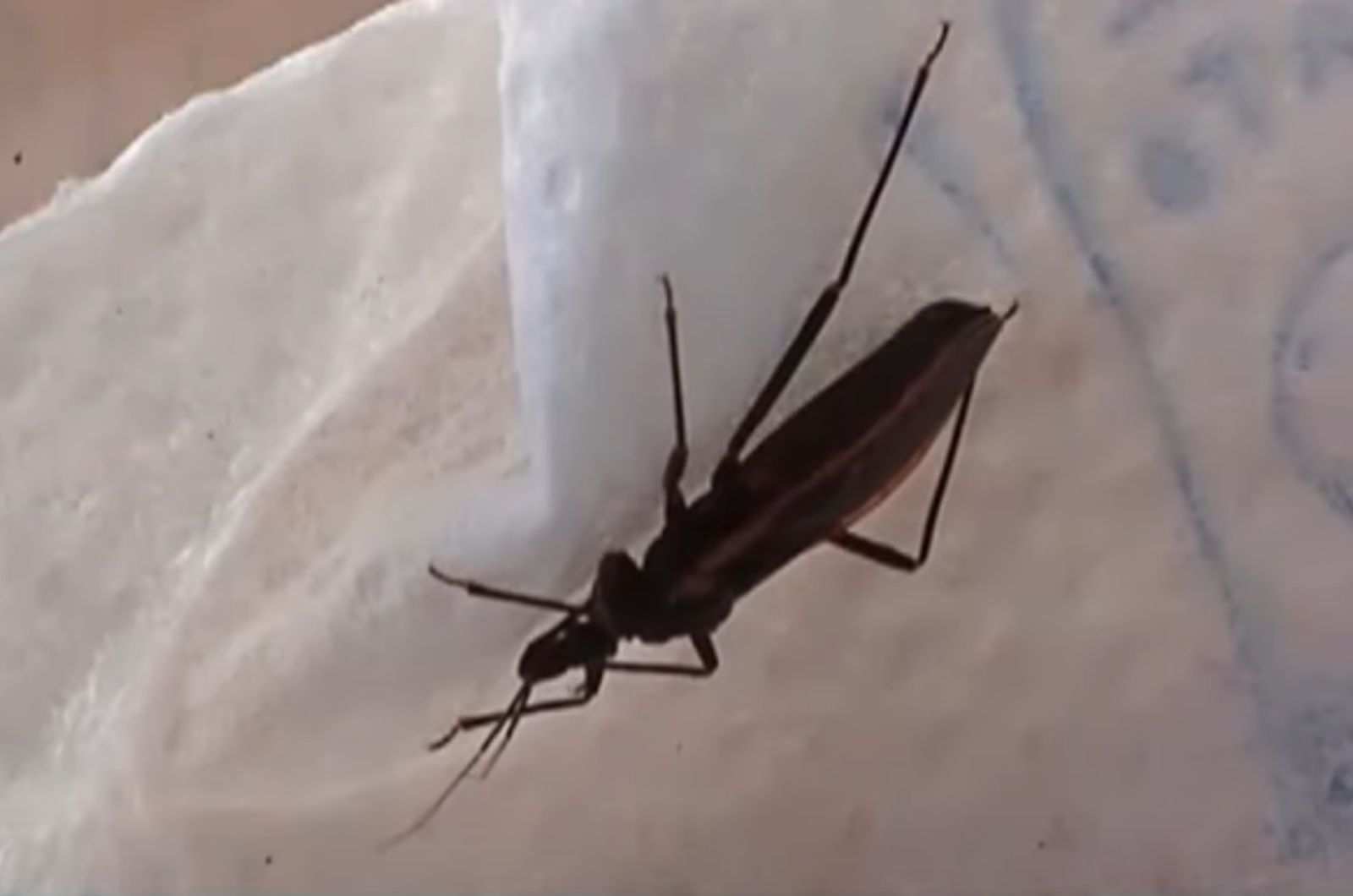
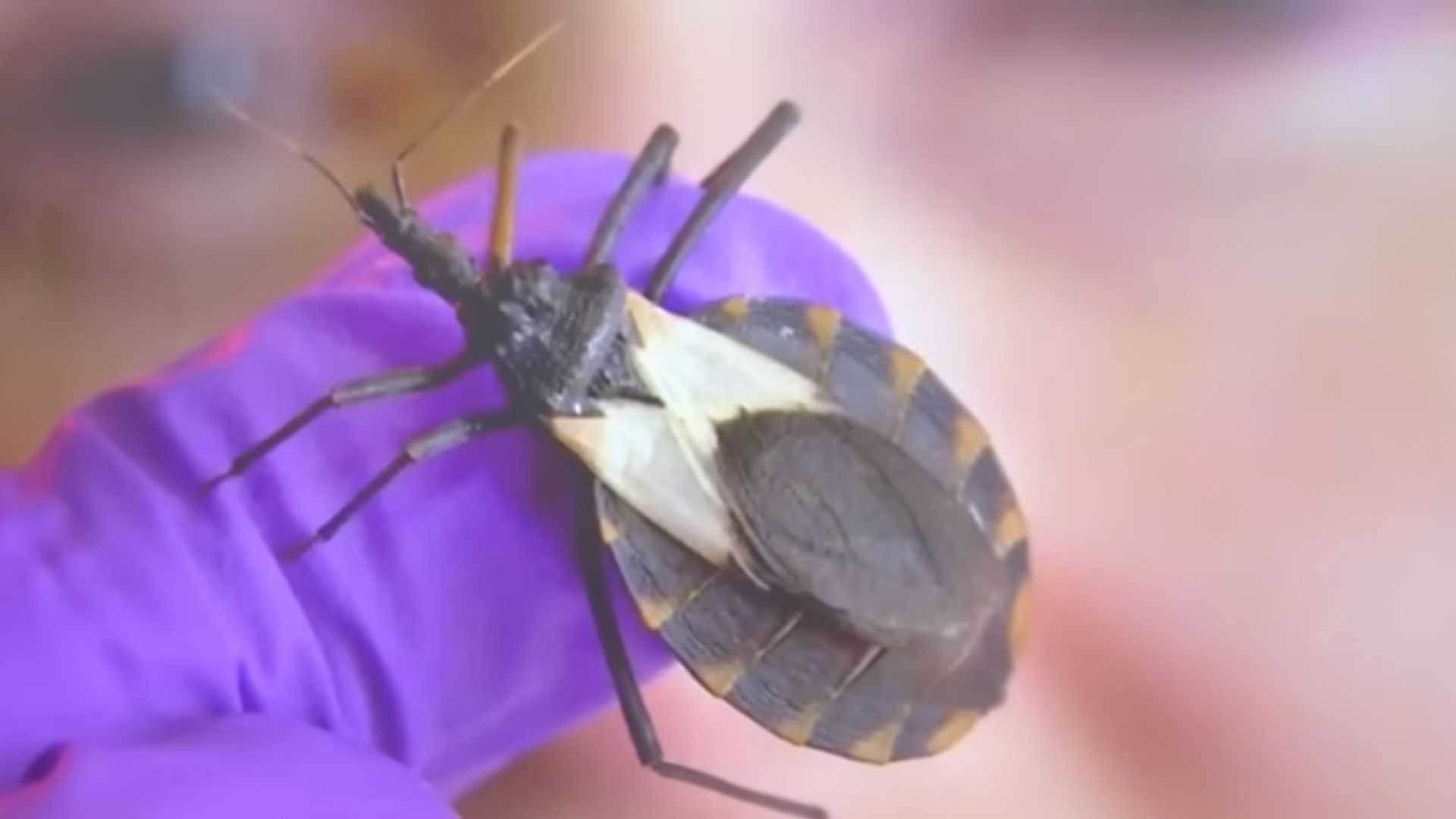
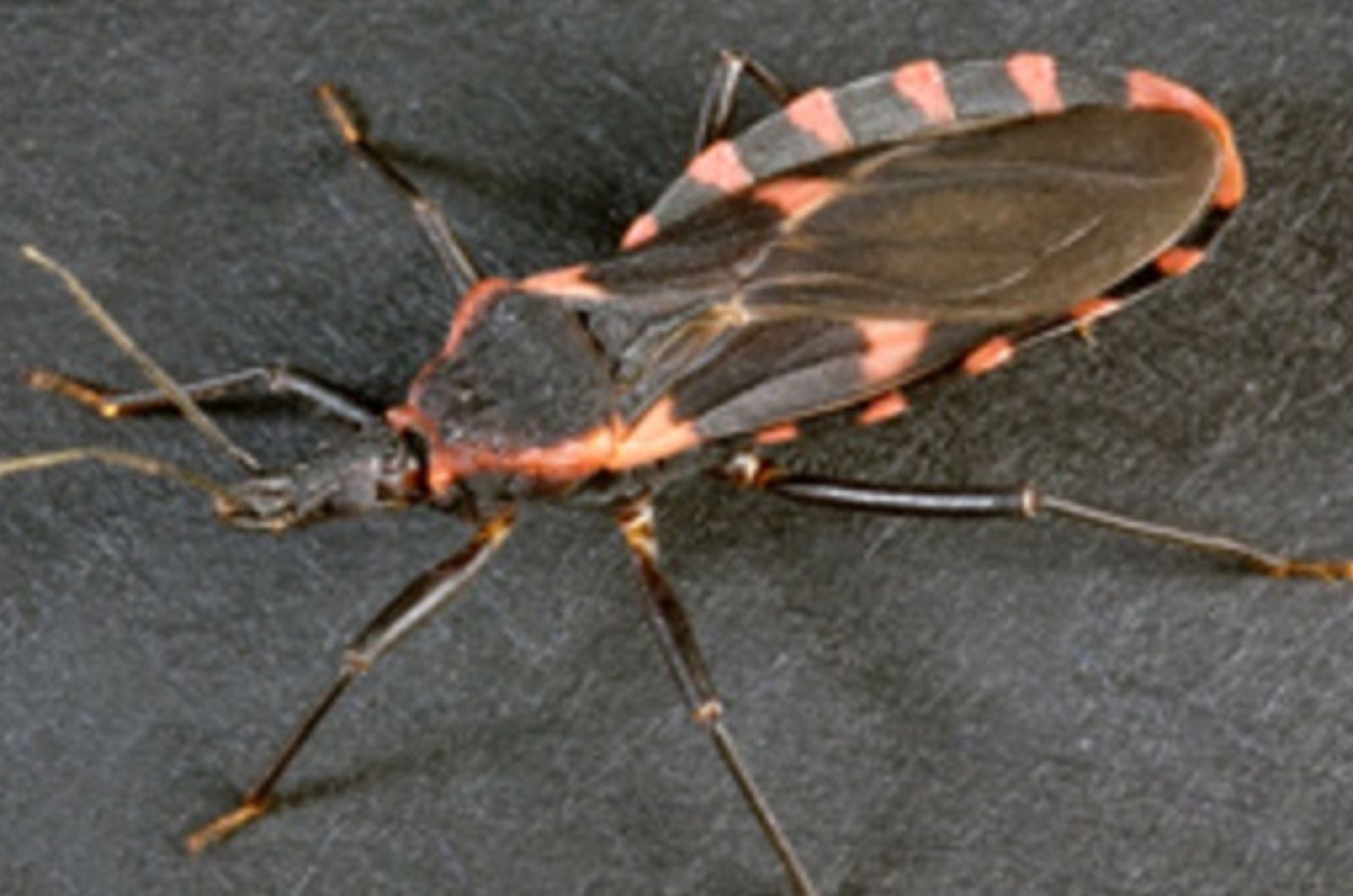
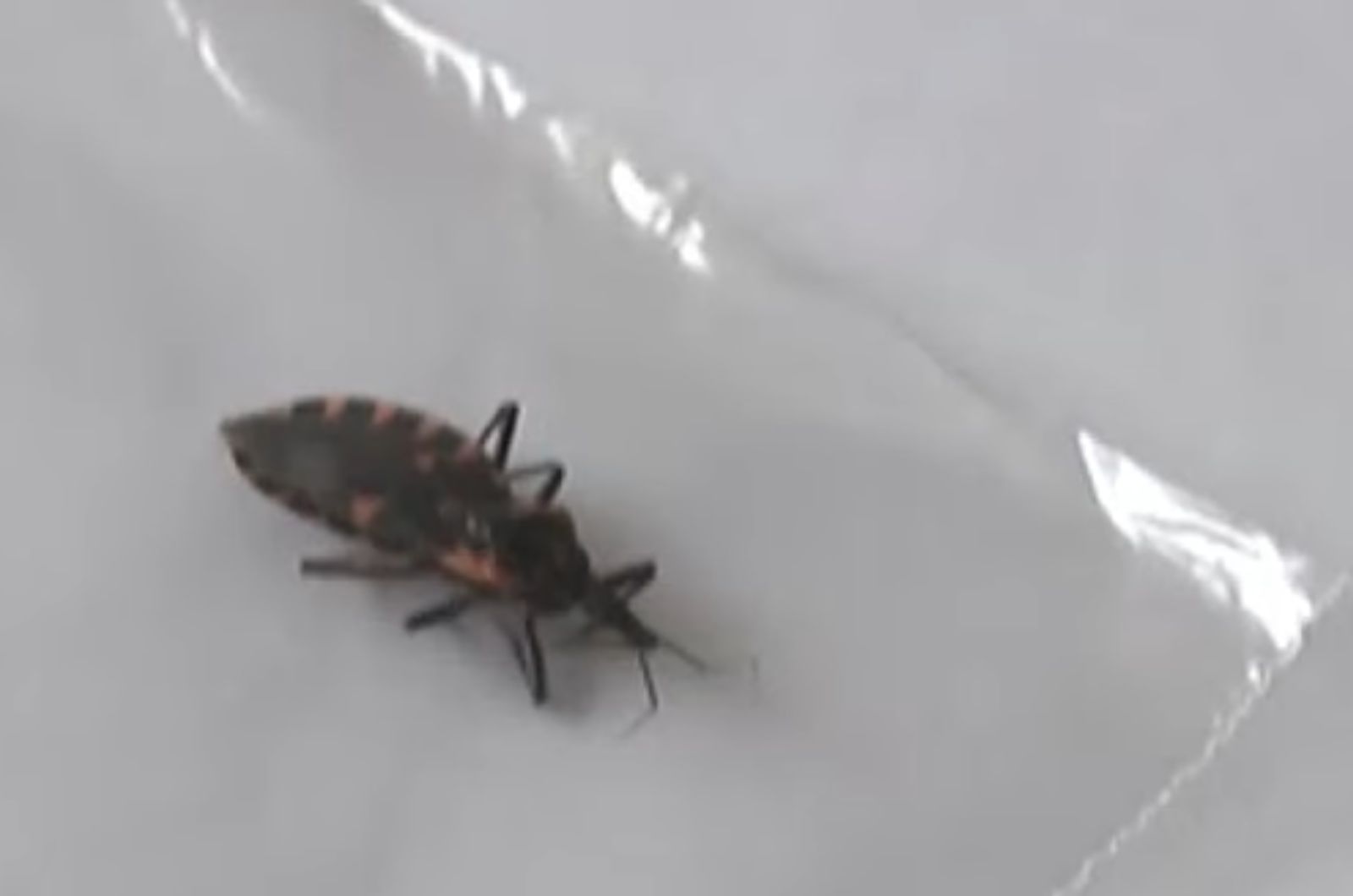
So what exactly is a kissing bug? Picture a small beetle, about the size of a penny, with a long, pointy nose.
At night, it comes out looking for a meal, and humans are sometimes on the menu.
These bugs are attracted to the carbon dioxide we exhale, which is why they tend to bite the face or lips, hence the nickname.
Here’s where it gets scary. After feeding, the bug leaves behind waste that carries a parasite called Trypanosoma cruzi or T. cruzi.
If someone scratches the bite, they can accidentally introduce the parasite into their bloodstream.
That’s how Chagas disease begins.
Early symptoms are subtle and easy to miss: fatigue, fever, headaches, or swelling near one eye. But the real danger comes months or even years later.
Chagas can cause serious heart problems, including heart enlargement and failure, and can even affect the digestive system. Most people don’t realize they’ve been infected until the symptoms show up years down the line.
Last year, the Centers for Disease Control and Prevention (CDC) reported that kissing bugs were spreading across much of the southern United States, from Texas and Arizona to Florida and Virginia.
Today, their presence is even broader. These insects have now been identified in at least 32 states and are considered endemic, mostly across the South and Midwest, but also reaching farther north into places like Pennsylvania, Ohio, and even Nebraska.
Around the world, an estimated 8 million people are living with Chagas disease, making it a major but often overlooked global health concern.
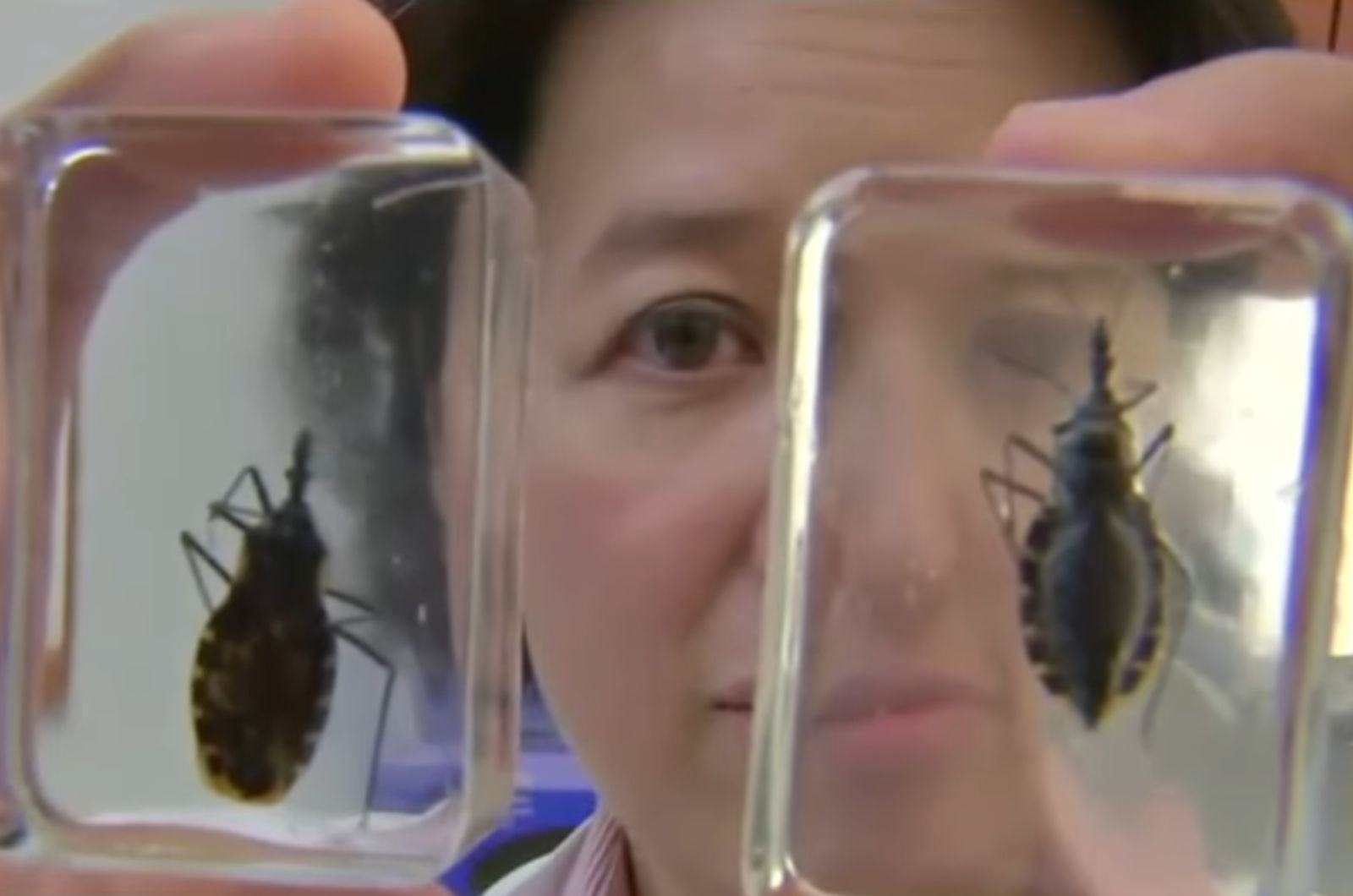
Kissing bugs aren’t new. They’ve been around for thousands of years, mostly in Latin America. Warmer weather and habitat changes are helping them thrive closer to homes.
And it’s not just humans at risk. Dogs, cats, raccoons, and even wildlife can get Chagas disease. Some vets in the South have already diagnosed infected dogs.
Sadly, pets can carry the parasite without showing symptoms for a long time, and treatment is complicated.
Before you panic, here’s a bit of reassurance: not every bug carries the parasite. Still, it’s smart to seal cracks, fix window screens, and keep outdoor lights dim to avoid attracting insects.
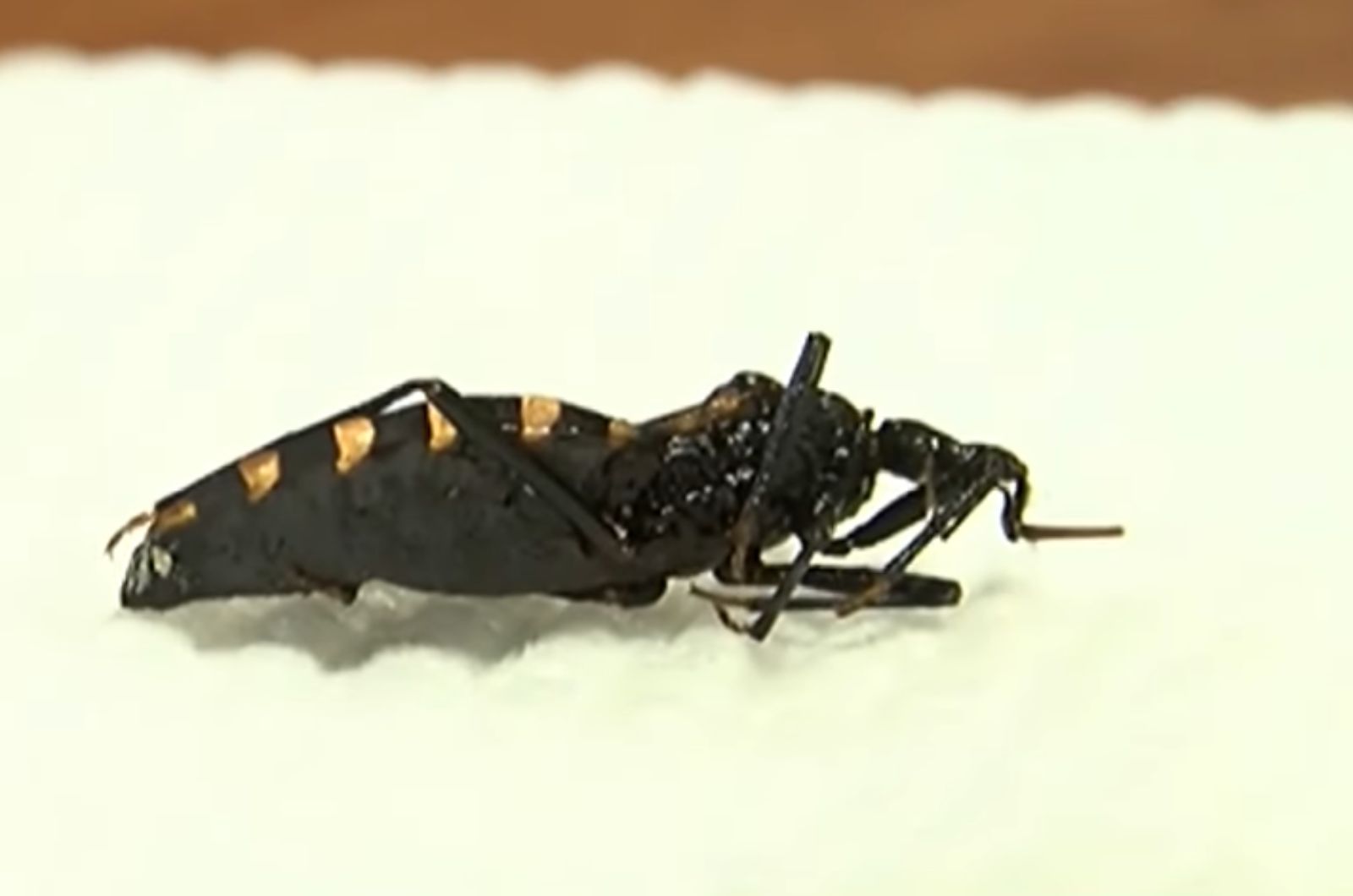
If you see a bug with a long nose and orange stripes along its side, don’t touch it. Capture it safely in a container and contact local health authorities for testing.
It’s wild to think something so tiny could pose such a serious threat, right? But a little knowledge, some precautions, and careful observation can keep you, your family, and your pets safe.