Michigan Widower Adopted A Lazy 22-Pound Cat, But The Cat Had A Life-Saving Surprise
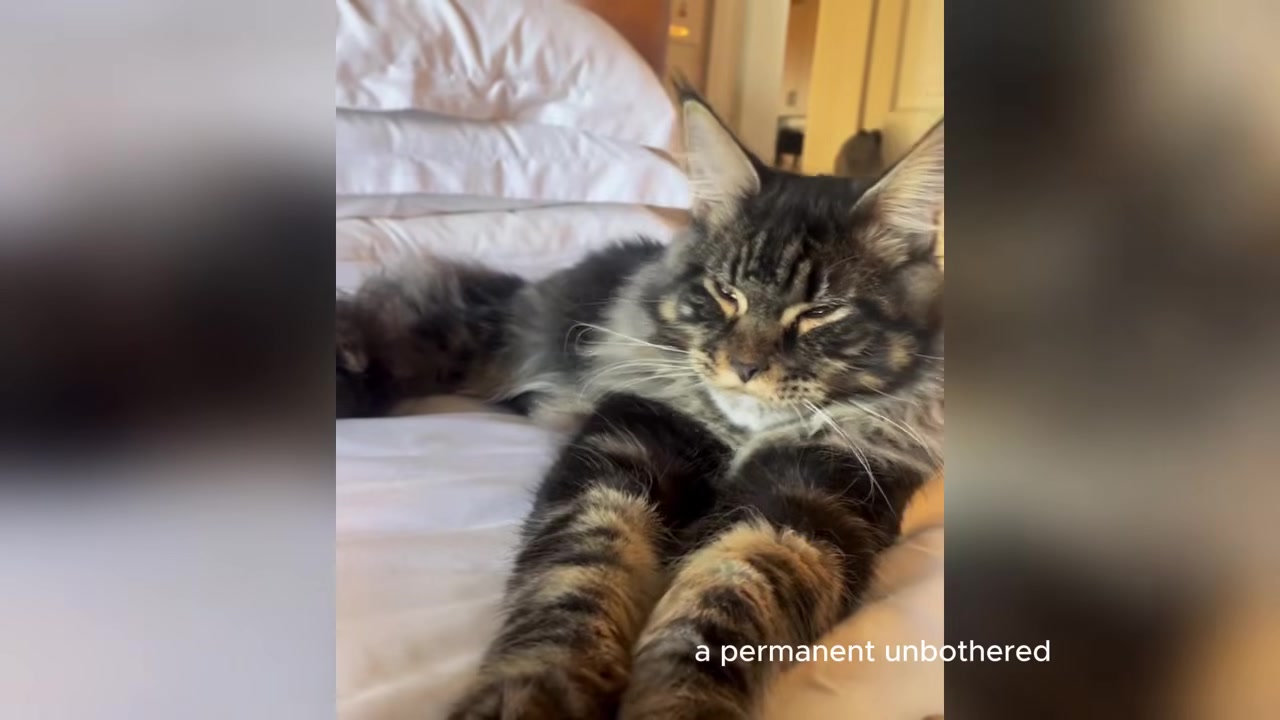
Everyone thought the 22-pound Maine Coon was just a lazy house cat. But when his 71-year-old owner experienced a medical emergency in the middle of the night, the sleepy feline sprang into action, proving that true vigilance doesn’t always look the way we expect.
An Unlikely Pair
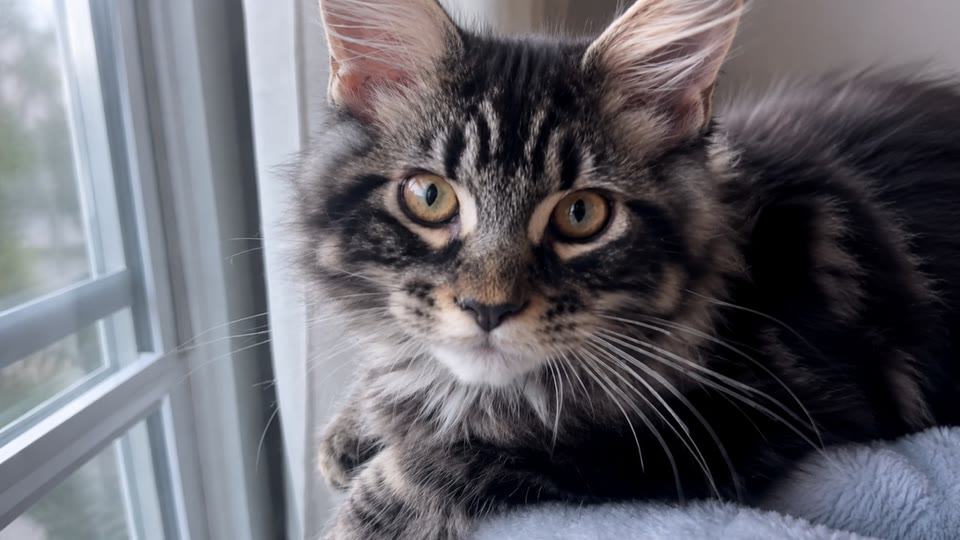
Everyone who met him said the same thing about the massive silver tabby. He was a beautiful cat, but it was a shame he was so incredibly lazy.
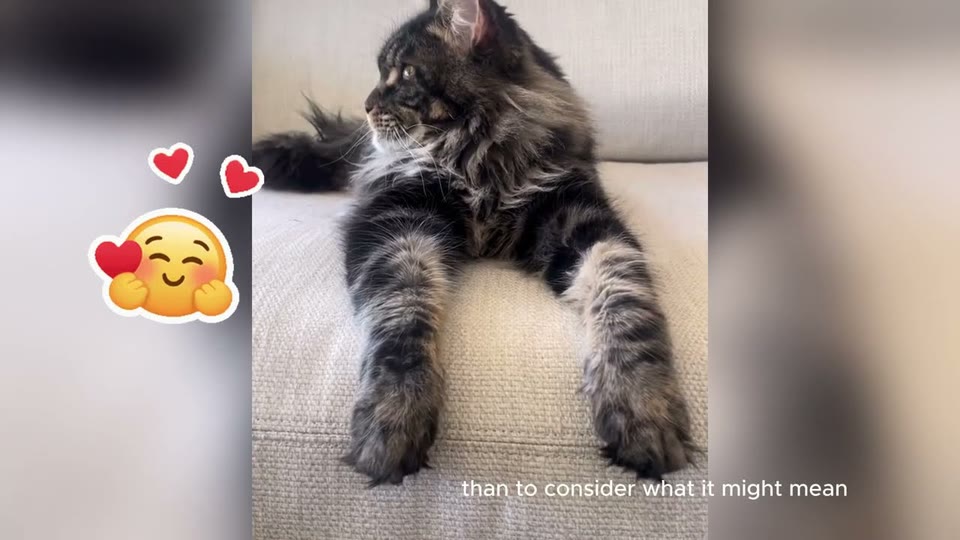
He weighed 22 pounds, a Maine Coon with a thick coat that looked deliberately styled rather than grown. His eyes stayed half-closed most of the day, giving him a permanent, unbothered squint.
He sprawled across furniture with the boneless confidence of a creature who had never worried about being asked to move. But beneath that sleepy exterior, he was paying far more attention than anyone realized.
A Reluctant Arrangement
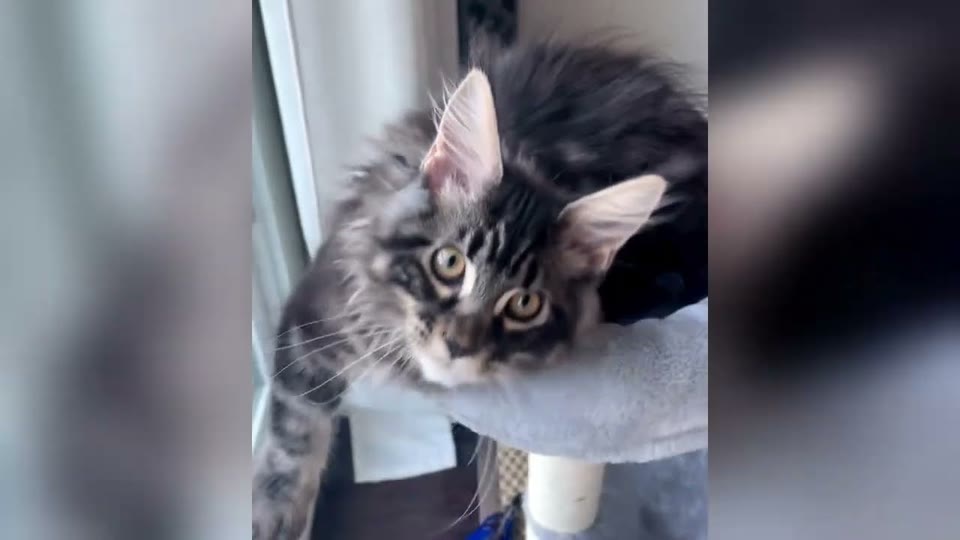
His name was Gus, and his journey had been a complicated one. He originally came from a breeder as a kitten, purchased on impulse by a young couple who eventually divorced.
After a string of circumstances nobody fully understood, he ended up with a 71-year-old widower named Arthur. Arthur’s son had brought the cat over eight months earlier.
The son joked that Gus needed a quieter place to live because the couple’s new baby filled their apartment with noise the cat despised. Arthur hadn’t particularly wanted a pet, but saying no felt like too much effort.
Calculating The Weight Of Grief
Arthur was a retired structural engineer who had spent 40 years designing buildings to withstand earthquakes and wind loads. He knew all about the slow, invisible stress that accumulates over decades.
His wife, Joan, had passed away the previous spring after a long illness. Arthur knew how to calculate exactly how much weight a beam could bear before failing, but he had no equivalent calculation for his own grief.
Gus settled into Arthur’s quiet house immediately and without ceremony. He claimed the armchair by the window within the first hour and rarely left it except to eat.
The 18-Hour Napper
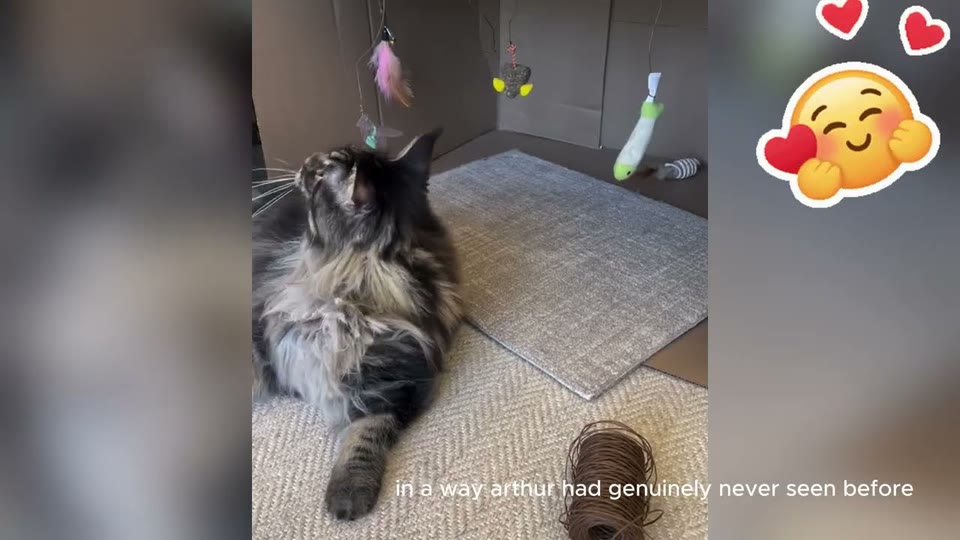
By Arthur’s rough estimate, the massive feline slept close to 18 hours a day. Visitors assumed he was simply an unusually lazy cat, wrapping his impressive size around a total lack of urgency.
Arthur’s daughter, Ellen, would call from two states away every Sunday to check in. When she asked how Gus was doing, Arthur’s answer rarely changed: he was asleep somewhere.
What Arthur didn’t tell Ellen was that he had started narrating small things to Gus anyway. It felt like the way he used to talk to Joan while she read across the room.
Silent Companionship
Despite appearing entirely uninterested, Gus had a habit of positioning himself in whatever room Arthur occupied. The cat would even relocate from a perfectly good nap spot just to be nearby.
Arthur assumed this was a coincidence for months, figuring cats just liked warm rooms. It was easier to believe that than to consider what it might actually mean.
Neighbors formed their own theories, seeing Gus sprawled in the front window for hours at a time. When one neighbor joked about the "big lazy thing," Arthur found himself firmly defending the cat, saying he was just conserving something.
A Daughter’s Observation
When Ellen visited that November, she noticed subtle changes her father hadn’t mentioned on the phone. There was an extra chair kept near Arthur’s at the kitchen table, angled so Gus could sit close during meals.
Arthur had also begun leaving a lamp on low overnight. He explained, almost embarrassed, that Gus seemed to prefer it that way, though he couldn’t say how he knew.
Ellen didn’t push for an explanation. Watching her father grieve, she had learned that some comforts didn’t need explaining, only allowing.
The Winter Shift
The winter following Joan’s first anniversary brought an unexpected, bone-deep exhaustion to Arthur. He started going to bed earlier and moving through his days with less attention to detail.
At first, he didn’t notice that Gus’s habits had shifted alongside his own. The cat who usually slept all day had started waking whenever Arthur got up in the night.
Gus would appear in doorways, watching Arthur cross the hall with an attentiveness that would have seemed completely out of character months earlier. Arthur just chalked it up to strange feline behavior.
The Midnight Crisis
In late February, Arthur had been feeling unsteady for two days with a vague dizziness he attributed to a head cold. Sometime after midnight on a Tuesday, he woke to find the room violently spinning.
He tried to sit up but couldn’t get his balance, and his right hand felt clumsy and slow to respond. Gus was already on the bed beside him, fully alert with his gold eyes wide open.
The cat began making a sharp, repetitive sound that Arthur didn’t recognize, entirely unlike his usual low chirp. As Arthur’s speech came out slurred, his engineering mind recognized this as a structural failure—he was having a stroke.
A Neighbor Hears The Call
Gus didn’t stop his frantic alarm, staying pressed against Arthur’s side. The sharp sound continued without pause, loud enough to reach the neighbor through the thin wall between their houses.
When the neighbor called out and heard nothing back, they immediately called for an ambulance. Doctors later told Ellen that the stroke had been caught early enough for the treatment window to apply, which mattered more than anything.
Recovering in a hospital bed days later, Arthur explained to Ellen that Gus had somehow known before he did. Ellen didn’t laugh; she just asked if she could bring Gus a treat.
Conserving Energy For Love
Arthur came home three weeks later to find Gus exactly where he had always been. The massive cat was sprawled in the armchair, eyes at half-mast, radiating his usual boneless indifference.
It was as though he hadn’t spent an entire night ferociously awake because the person he’d chosen to watch over needed him. The neighbors still call him lazy, but Arthur has stopped correcting them out loud.
Arthur used to think rest and vigilance were opposites, but Gus taught him otherwise. He learned that some creatures conserve their energy for exactly one moment, spending the rest of their time making sure nobody notices what they are truly capable of.