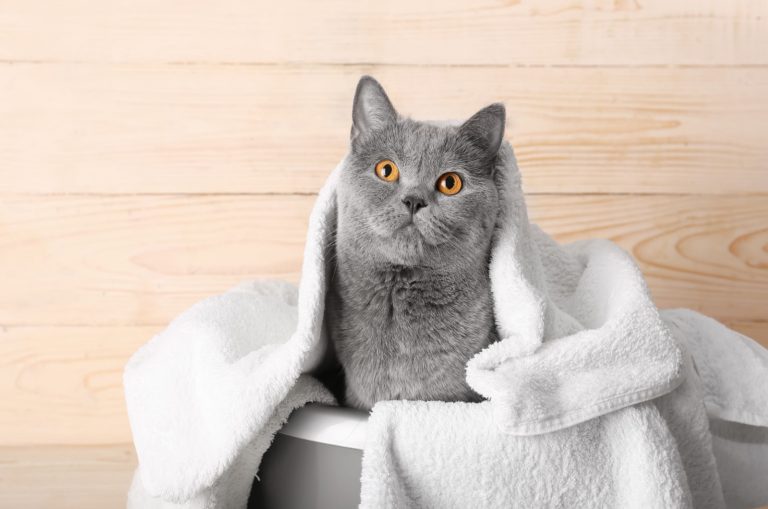
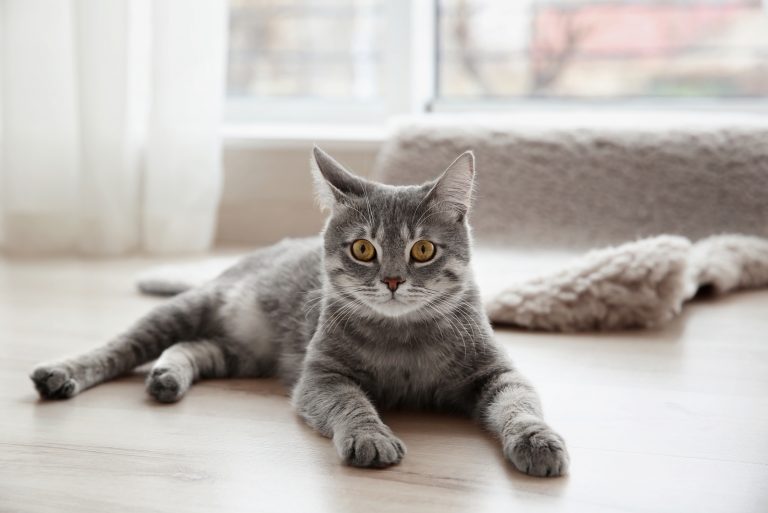
We all love it when our cats greet us at the door, and I consider myself lucky that my cat welcomes me with meows, purrs, and leg rubs.However, cats might also rub against things or meow for other reasons, like being in heat, asking to go outside, marking territory, or simply seeking attention.Rubbing is often a sign of marking territory by leaving pheromones behind. Not all meowing and rubbing is harmless, though.In this article, we’ll explore the 10 most common reasons for this behavior. Keep reading to learn more!
1. Congratulations – Your Cat Is In Heat!
If you have a female cat and choose not to spay her, you’ll likely experience heat-related behaviors fairly often. Here’s what you might already know:
Female cats typically go into heat after their 4th month of age.
Only non-spayed cats will go into heat.
A cat in heat is ready to breed.
A heat cycle generally lasts about 5 days.
When your cat is in heat, you’ll likely notice excessive vocalization and more affection than usual. These are the most common signs, but there are other behaviors that signal your cat is in heat as well:
Lordosis position: Your cat may arch her back, lower her front half, and raise her rear end, which signals she is ready for mating.
Trying to escape: If your cat is not indoors, she may attempt to escape the house in search of a mate.
Excessive grooming: Your cat may groom herself more frequently to keep clean as her body prepares for mating.
Understanding these signs will help you know what to expect and how to manage your cat’s behavior during this period. If you don’t plan on breeding, spaying is a great option to prevent these behaviors.
2. How Cute – Your Cat Missed You!
After a long day at work, nothing feels better than coming home to your cat’s warm, loving welcome! As soon as you step through the door, your furry friend will greet you with purring, meowing, and rubbing against your legs.This behavior is your cat’s way of showing happiness and excitement that you’re back home. Cats may not jump on you like a dog might, but their affection is just as heartwarming.The purring, gentle meowing, and rubbing against you are subtle yet meaningful gestures. Your cat is expressing its joy in the most cat-like way, and it’s one of the many little moments that make being a cat owner so special.If you’re ever unsure whether your cat missed you, pay attention to these behaviors when you return home. They’re often a sign that your cat is eager to reconnect and share some affection with you.So, next time you see your cat rubbing against you and purring, know that you’re loved and appreciated by your furry companion!
3. Your Cat Is Territory-Marking …Again
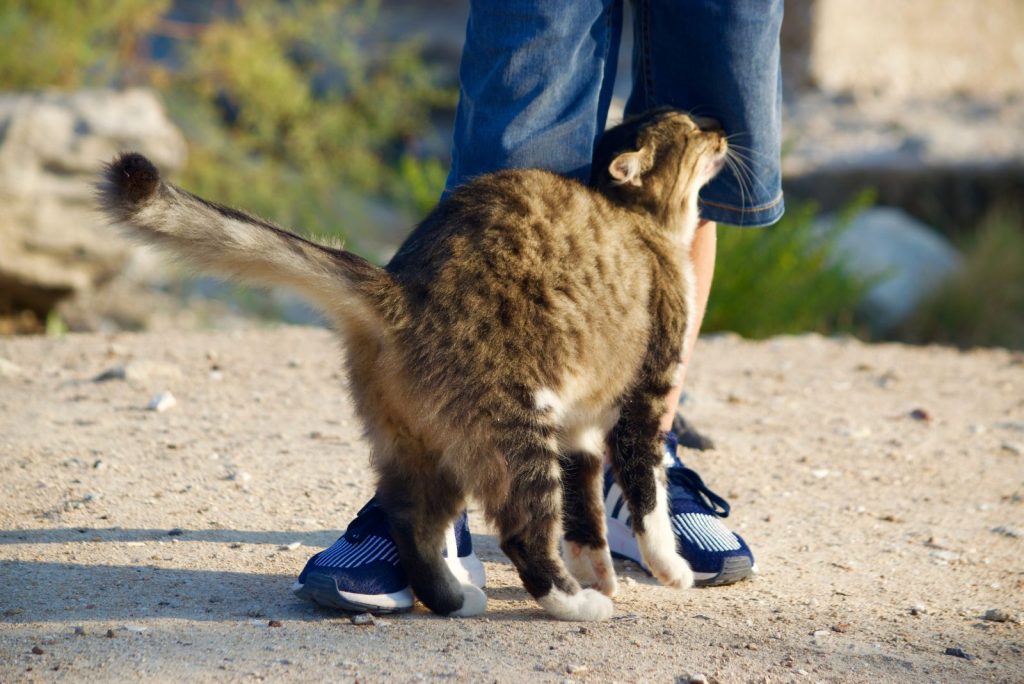
As you may already know, cats are highly territorial animals, and one of the ways they assert their dominance is through scent marking.Cats have scent glands on their paws, cheeks, lips, tail, forehead, and flanks, which they use to leave their unique scent on various surfaces. You’ll often notice your cat rubbing against furniture, walls, and even you – this is all part of marking its territory.Much like dogs pee to mark their space, cats use their pheromones to communicate, signaling to other cats, “This is mine!” and reassuring themselves that they’re in familiar territory.Even when your cat is cuddling, kneading, or brushing against your leg, it’s marking you as part of its territory. This behavior is natural and not something to worry about, as it’s just your cat’s way of feeling secure.Cats also dislike changes in their environment, as it often feels like a loss of territory. So, if you’ve recently moved into a new home, expect your cat to start rubbing against everything in sight to re-establish its sense of control and comfort in the new space. This behavior is typical, and with time, your cat will settle into its new surroundings.
4. Your Cat Is Trying To Tell You Something, What Could It Be?
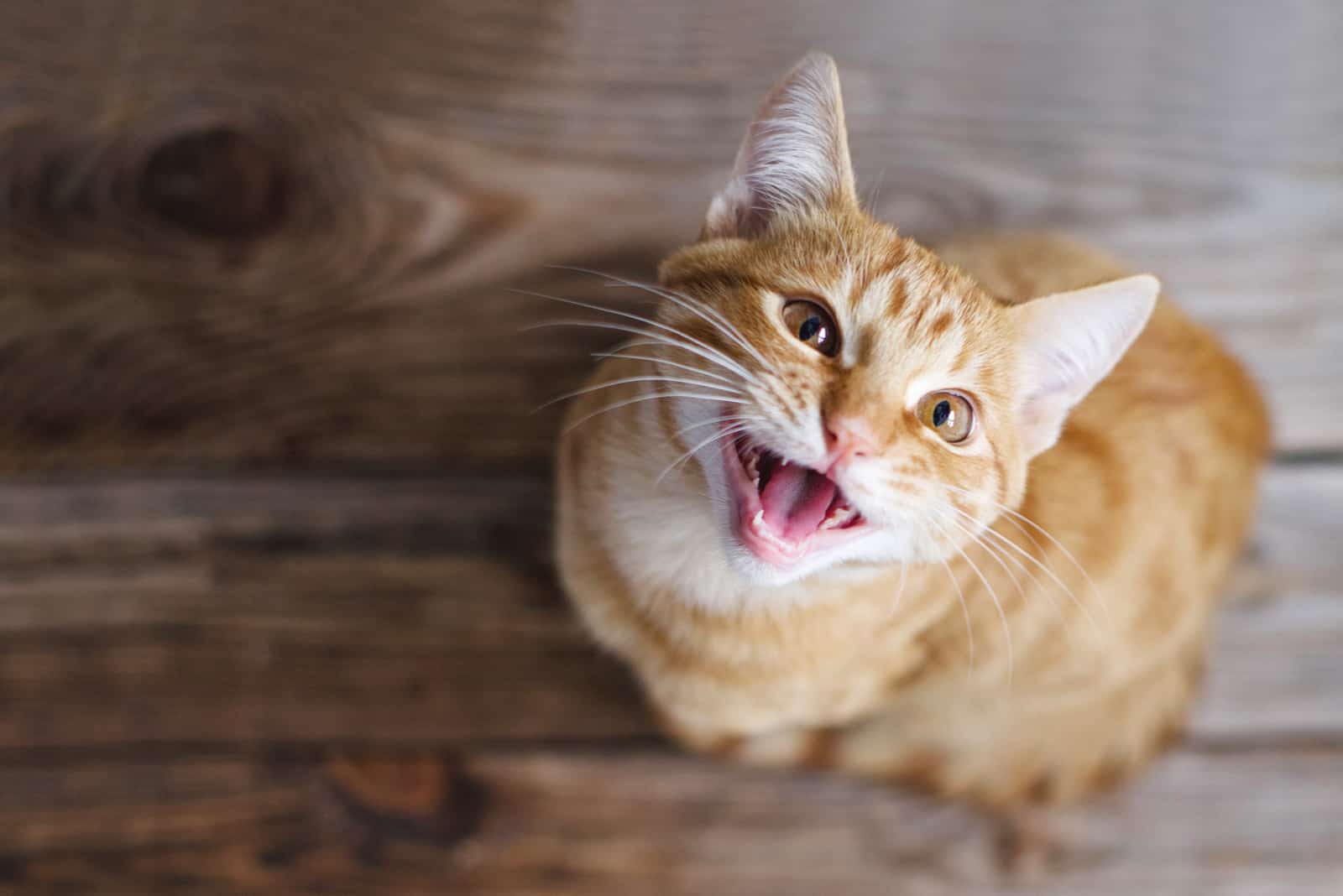
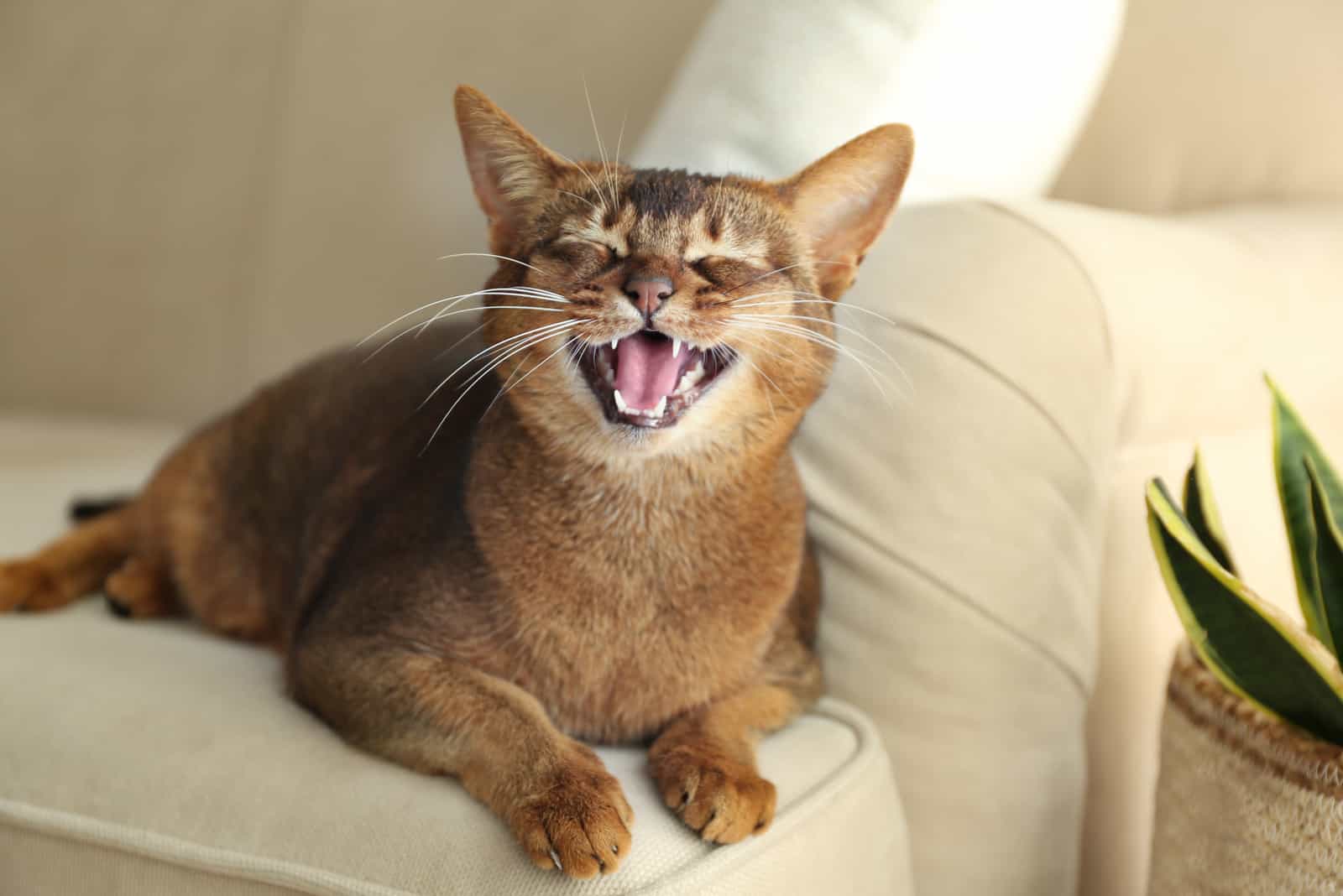
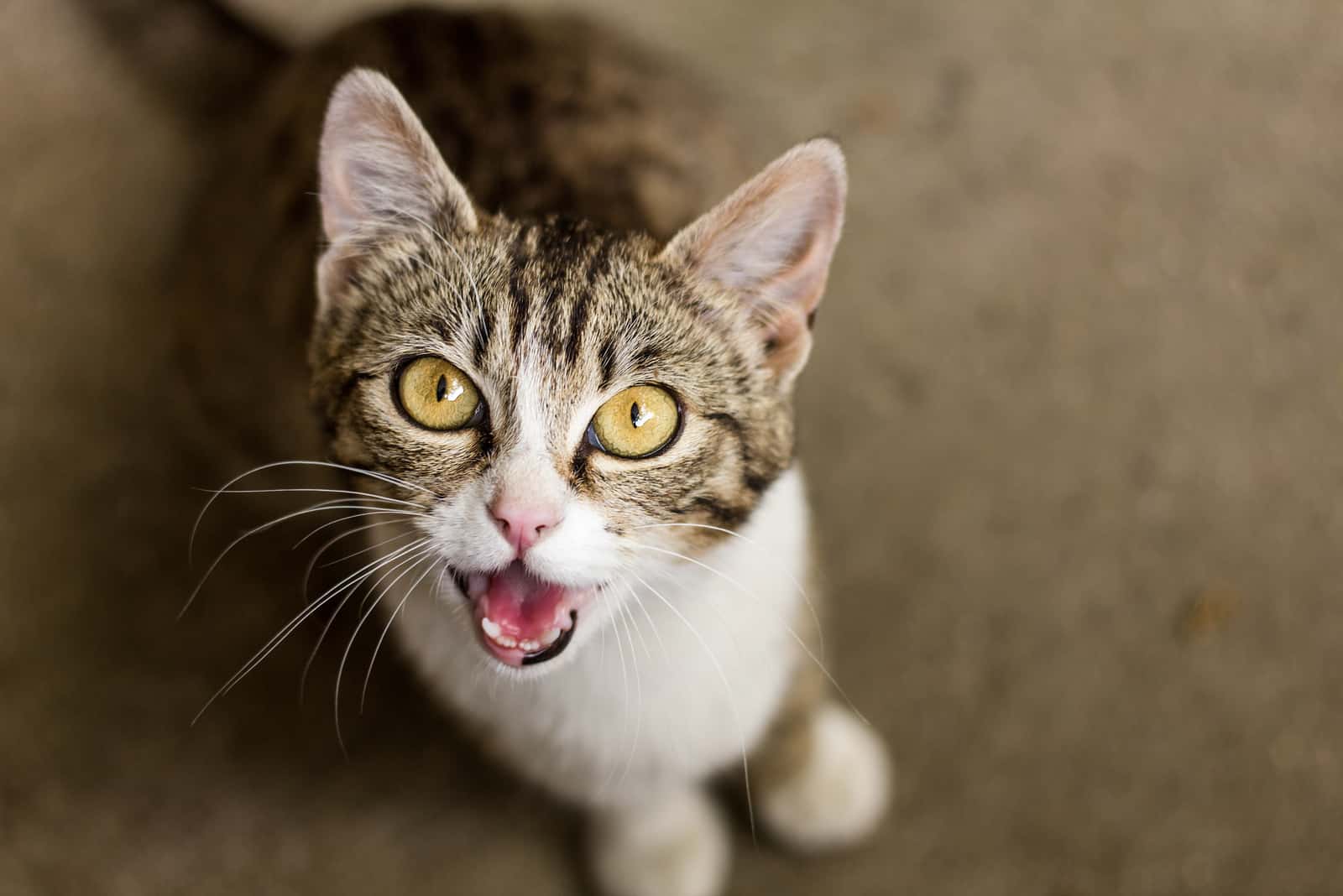
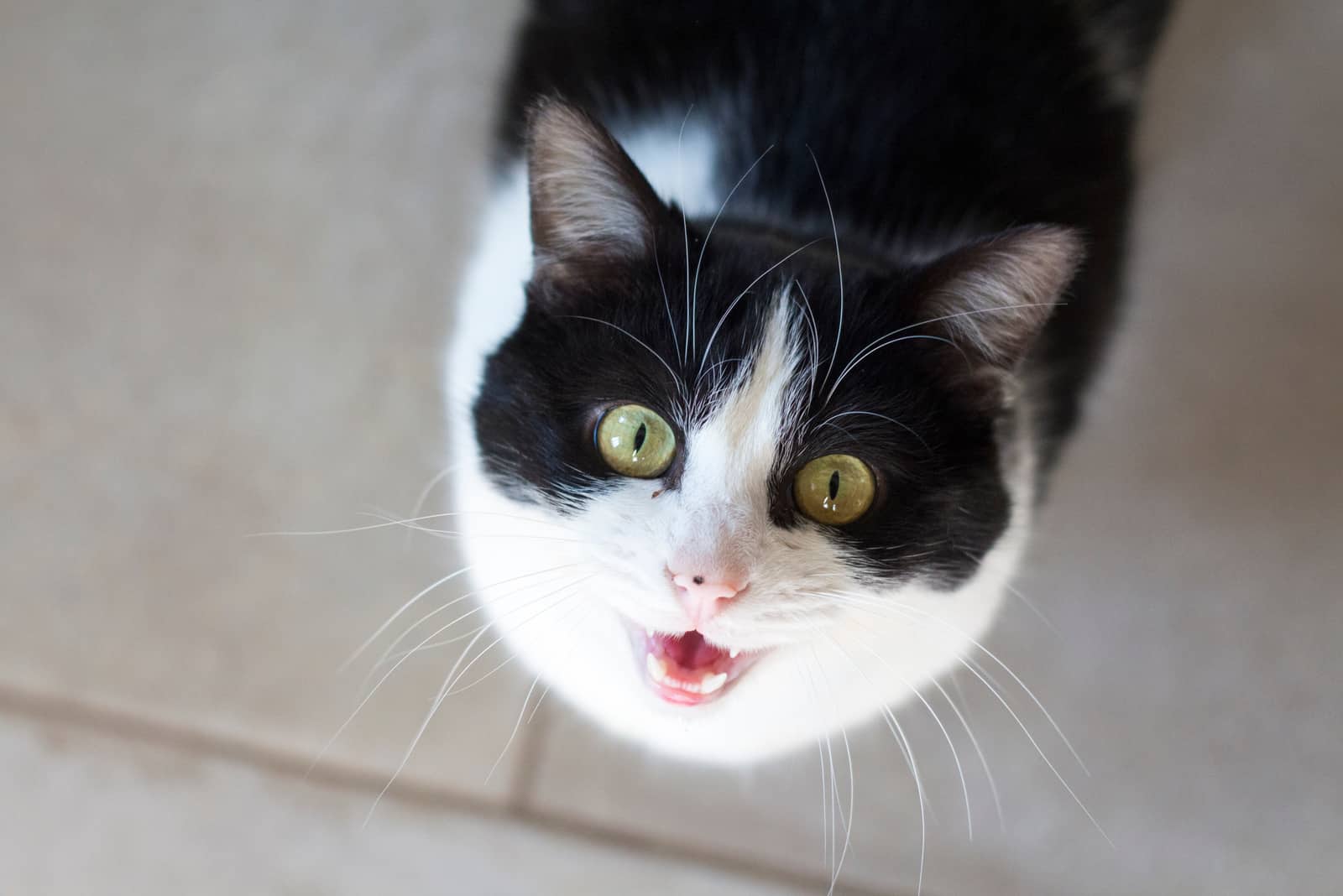
Some owners compare a cat meowing to a baby crying. Neither is “completely understandable” to adult humans, but they’re both signs that something is needed and we need to figure out what it is and provide it. Based on the circumstances, humans will usually know what is being asked of them.You might already know that cats meow exclusively at humans. This is their way of communicating with us, according to the ASPCA (American Society for The Prevention Of Cruelty To Animals).You will never see a cat meowing at another cat. That is because cats have different ways of communicating with each other, such as body language, chemical cues, and other verbal signs (but not meowing).Considering meowing is something directed exclusively to humans, it means your cat is trying to tell YOU something!Let’s summarize what your cat might be trying to tell you:
I am hungry!
My food bowl is almost or completely empty!
I am thirsty!
My water bowl is almost or completely empty!
My litter box is full!
I am lonely!
I am scared!
Pet me please!
Let’s cuddle!
Let’s play!
I am cold!
Open the door for me!
Let me go outside!
My toy is broken!
You know your cat best and most of the time, you will know what the cat is meowing about.Also, you know yourself the best – did you change the water? Did you forget to fill the food bowl? You will know the answer to these!
5. Your Cat Might Be Sick or Injured
If you notice your cat acting differently – loudly meowing, yowling, and rubbing against everything – this could be a sign that something is wrong. Cats often use their behavior to communicate, and if you see these changes, it’s important to pay attention.Here are some health concerns your cat might be warning you about:
Kidney disease
Urinary infection
Thyroid issues
Cognitive dysfunction (especially in older cats)
Voice box disease
Compulsive disorder
Itching due to an infection
It’s crucial not to guess when it comes to your cat’s health. If these behaviors persist, take your cat to the vet for a proper diagnosis. Meowing and rubbing may be your cat’s way of letting you know something isn’t right, and the sooner you get help, the better.
6. Your Cat Wants To Go Outside
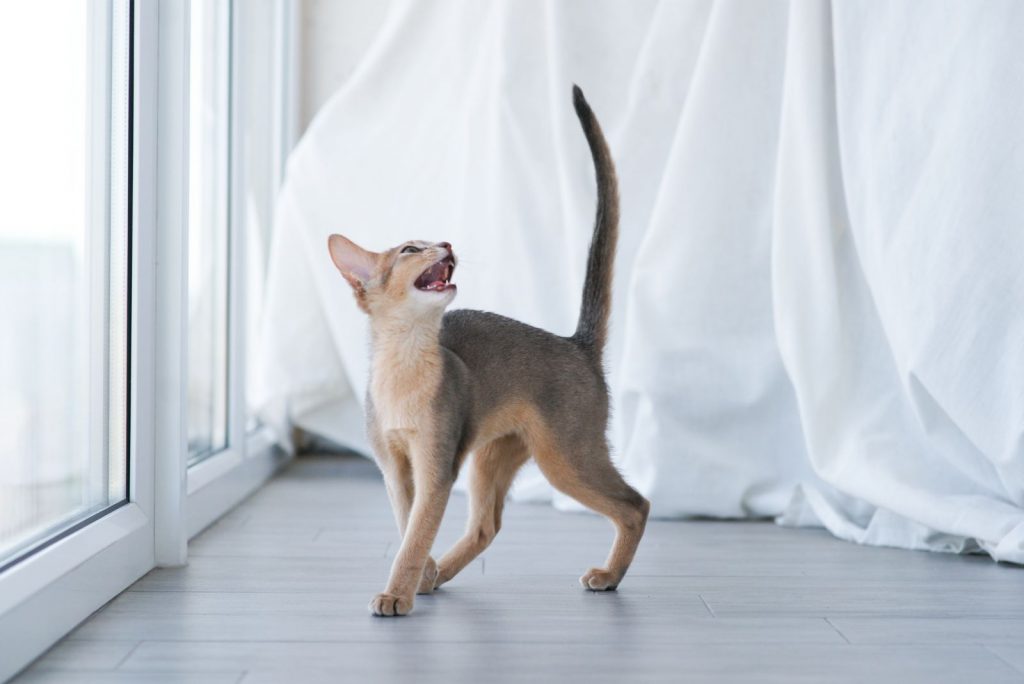
One of the most common reasons cats meow and rub against doors, windows, or their owners is because they want to go outside. Cats are curious creatures and have a natural instinct to explore their surroundings.If you have an indoor cat, you may notice them rubbing against the door or window, pawing at the glass, or even meowing continuously when they see something happening outside, such as a bird or a squirrel.When this behavior occurs, your cat is usually expressing a strong desire to venture outdoors. It’s their way of communicating that they’re feeling curious, and they want to be a part of the outdoor world.Depending on their personality, some cats are more content being indoors, but others may become very persistent in their attempts to get outside.To help manage this, try creating an engaging indoor environment with plenty of enrichment, like scratching posts, climbing trees, or interactive toys. If your cat is determined to go outside, consider leash training to allow them to explore safely.Just make sure to assess the risks of outdoor exposure before giving your cat access to the outside world, as there can be dangers, including traffic, predators, or toxic plants.
7. Your Cat Is Feeling Overstimulated
Sometimes, meowing and rubbing against objects is a sign that your cat is overstimulated. This can happen after they’ve had a lot of interaction, especially with too much petting, play, or excitement.While some cats love attention, others can become easily overwhelmed, and they start meowing or rubbing against things to calm down. Overstimulation often happens after a prolonged session of petting or play that goes beyond the cat’s tolerance.When this happens, they may rub against objects as a way of redirecting their energy or soothing themselves. If this behavior becomes frequent, it could be a sign that your cat needs more breaks between play or petting sessions.To prevent overstimulation, pay close attention to your cat’s body language. If they start twitching their tail, pulling away, or looking like they’re getting agitated, it’s a good idea to stop the interaction and give them some space.Offering a quiet, calm space for your cat to retreat to can help them feel more relaxed.
8. Your Cat Wants To Groom You
Another reason cats may rub against you or meow is because they are trying to groom you! Cats have a natural instinct to groom each other as part of bonding and affection.When your cat rubs against your face, arms, or legs, they could be trying to clean you, just as they would clean another cat. This behavior is a sign of trust and love and is often accompanied by soft purring and gentle meows.By grooming you, your cat is showing that they consider you part of their family, and they want to take care of you in their own way. If you’ve ever noticed your cat licking your hands or face, this is another sign of this grooming behavior.Cats may also rub against your legs or body to deposit their scent and mark you as “theirs.” While this might feel a little strange, it’s actually a very sweet and affectionate gesture.If you enjoy the attention, you can reciprocate by gently petting your cat or brushing them. Regular grooming sessions will help your cat feel even more bonded to you, and they’ll enjoy the time spent with their favorite person.
9. Your Cat Is Signaling Stress Or Anxiety
Cats can sometimes meow and rub against things when they are feeling stressed or anxious. This is their way of coping with feelings of insecurity or fear.When there’s a change in their environment, such as new furniture, a new pet, or even a change in routine, your cat may feel unsettled. In these situations, they might use meowing and rubbing as a way to self-soothe and find comfort in their surroundings.The rubbing behavior is often a form of reassurance, as it helps them leave their scent on objects and restore their sense of familiarity.If the behavior is accompanied by excessive meowing or hiding, your cat could be trying to express that they are not comfortable with the changes.To help ease your cat’s anxiety, make sure they have a safe, quiet space where they can retreat and feel secure. Keeping a consistent routine and providing familiar items, such as their favorite blanket or toy, can also help reduce stress.If you notice signs of ongoing anxiety or behavioral changes, consider consulting your vet for advice on how to best support your cat through their stress.
10. Your Cat Is Feeling Lonely And Is Seeking Your Attention
If you leave your cat alone during the day or go away on a trip, there’s a good chance your cat will feel lonely. While cats are independent creatures, they still crave companionship and affection, especially from their owners.When they feel this loneliness, they often seek attention in the form of meowing and rubbing against you when you return home. It’s their way of letting you know they missed you and want to feel close to you again.Many cat owners find this behavior endearing and are quick to respond, showering their furry friend with love and attention. Often, a few moments of cuddling or some playtime with their favorite toys is enough to reassure your cat that they’re not alone anymore.Regular interaction with your cat can help reduce their feelings of loneliness, and keeping their environment enriched with scratching posts or cat trees can also give them something to focus on while you’re away.If you’re going to be gone for longer periods, consider leaving an item that smells like you, or even getting another pet to keep them company.
Other Signs Your Cat Is Feeling Lonely
There are several other signs that your cat might be feeling lonely, beyond just meowing and rubbing against you.These behaviors can include being more clingy than usual, excessive meowing, overgrooming, and even displaying bad behavior like being aggressive or destructive.You might also notice issues with the litter box, such as your cat refusing to use it properly. While some of these signs may not be the most “adorable,” they’re important to pay attention to as they indicate your cat is seeking attention or struggling with their emotions.I know these behaviors can be a bit inconvenient and, at times, frustrating. It’s tough to see your cat acting out, especially when you’re unsure how to help.But don’t worry! I’ll explain some ways you can address these issues and help your cat feel more comfortable and secure in their environment. With the right attention and care, you can ease their loneliness and bring back the calm, affectionate behavior you love.Keep reading to find out how you can make a difference!
A Misconception – Cats Being Completely Independent
There is a misconception that cats are entirely independent and have the “I don’t need nobody but myself” attitude. All cat owners will know this is not true!Cats are both solitary and social animals. A house cat cannot be exclusively solitary and display absolutely no need for attention. On the other hand, there aren’t a lot of cases of house cats that cannot stand being alone for one minute.Yes, cats like their independence and alone time, but they are also in need of affection, love, and companionship. Not 24/7, but it is still a very important part of their life.If you ever think your cat doesn’t need you, try being away from home for a couple of days and then see your cat’s reaction when you get back! Your cat will be very happy to see you and will probably start meowing and rubbing against you immediately!
What Should I Do To Stop My Cat From Meowing And Rubbing Against Everything?
If you’re trying to stop your cat from excessive meowing and rubbing against everything, it’s important to first understand the underlying cause of the behavior. Cats meow and rub for different reasons, so addressing the root of the issue is key.While finding the exact cause can sometimes be tricky, paying close attention to your cat’s routine and environment will help you identify what’s triggering the behavior.Cats can meow and rub due to stress, a need for attention, or even because they are marking their territory. By observing when the behavior occurs, you can start to pinpoint the reason behind it.If your cat is meowing for attention, make sure to give her plenty of love and playtime to keep her engaged and entertained.If she’s rubbing to mark her territory, it might be helpful to ensure she feels safe and secure in her space, especially if there have been any changes like moving to a new home.Sometimes, excessive meowing and rubbing can also be a sign of health issues, so always consult with your vet if you suspect something might be physically wrong.
1. Spay Your Female Cat
Spaying your female cat will completely eliminate the occurrence of her heat cycle and all behaviors associated with it, including meowing and rubbing against everything.Unspayed female cats make very loud and frequent meows that can be difficult to endure!Spaying is a surgical procedure equivalent to neutering in male cats. Both operations involve the removal of a cat’s reproductive organs. For male cats, they remove the testicles, while for female cats, they remove the ovaries and the uterus.It is not a high-risk procedure and it is recommended to be performed before the cat reaches its fertility period (which is around 4 months of age). This has many benefits, including:
preventing cat overpopulation
your cat will be healthier (no risk of diseases of the reproductive tract)
no more heat cycles or annoying behaviors associated with it
If you did not spay your cat and you’re thinking about it, it’s best you talk to your vet about it!
2. Find Our What Your Cat Wants
If you think your cat is trying to communicate with you through meowing, take a moment to really try and understand what they might be saying. Cats often meow to express different needs or desires, so it’s helpful to tune into the context of the situation.For example, if it’s around feeding time, it’s safe to assume that the meowing means “I’m hungry” or “It’s time to eat!” If you respond by feeding your cat, and the meowing stops, then you’ve likely figured out the message correctly.However, it’s important to remember that each cat is different, and their meows may have various meanings based on the situation. Some cats may meow to greet you, to get your attention, or because they’re feeling stressed or anxious.Over time, as you observe their behavior and respond accordingly, you’ll likely start picking up on their unique “meowing language.”Although it might take a little patience and practice, with some observation, you’ll soon start understanding the different types of meows your cat uses. Whether it’s hunger, attention-seeking, or just a friendly greeting, figuring out these signals can strengthen your bond with your furry friend.
4. Find Out If Your Cat Is Sick Or Injured
If you notice your cat meowing and rubbing against things, it’s natural to wonder if there might be an underlying health issue.While this behavior can often be attributed to things like marking territory or seeking attention, it’s always good to be cautious and look for other signs that could indicate your cat is sick or injured.Here’s what you can do:
Look for additional signs: Pay attention to other symptoms that might suggest a health concern, like changes in appetite, lethargy, or behavior that’s out of the ordinary.
Inspect your cat’s body: Gently check for visible injuries such as bite marks, scratches, swelling, or any other signs of infection or pain. If you notice anything unusual, it’s worth seeking professional advice.
Visit a vet: If you’re concerned or if the behavior persists, take your cat to a veterinarian. They can properly assess your pet’s condition and rule out any potential health problems.
While meowing and rubbing aren’t necessarily signs of something serious, it’s always important to keep your cat’s health in mind. Prompt attention will ensure your cat stays happy and healthy.
5. Spend Time With Your Cat
Well, duh! Spending quality time with your cat is one of the simplest and most effective solutions to any behavioral issues related to attention-seeking, such as excessive meowing or rubbing.While it might seem obvious, life doesn’t always make it easy. If you’re working long hours in an office or away on a trip, it’s understandable that you can’t always be there for your furry friend.But don’t worry, cats are independent creatures and don’t require constant attention. The key is to make the most of the time you do spend together. When you come home, make sure to devote some of your time to engaging with your cat.Play with them, give them affection, or just sit and relax together. This can help satisfy their need for companionship and prevent them from feeling lonely.Of course, if you’re away for longer periods, consider arranging for a friend, family member, or pet sitter to check in on your cat. But remember, it’s the quality of time spent together, not the quantity, that counts the most for your pet’s happiness.
6. Leave A Bunch Of Toys Laying Around The House
Interactive toys are a game-changer for keeping your cat engaged and entertained! Cats need mental and physical stimulation every day, and these toys are perfect for that.While a simple string can catch their attention for a moment, it won’t hold their interest for long unless you’re actively playing with them.To keep your cat engaged for hours, consider investing in a variety of interactive toys like puzzle boards, scratching posts, play tunnels and more. These toys encourage your cat to use its brain and body, keeping them active and satisfied even when you’re not around.Catnip-filled toys are another great option! They can have a calming effect on your cat, helping them relax when you’re away or just need a moment of peace.No matter which toys you choose, your cat will love the variety and the chance to play and explore on their own.
7. You Can Get Another Pet Cat
If your cat is feeling lonely, getting another pet cat could be a great solution. Having a companion would help alleviate your cat’s loneliness and give it a constant friend to interact with.However, adopting a second cat comes with its own set of challenges. It means more work, more responsibility, and additional care for both pets.For some pet owners, managing two cats is an exciting challenge they’re ready to take on, but for others, it might feel overwhelming. If you’re not in a position to get another cat, that’s completely fine too.There are other ways to keep your cat entertained and happy, such as providing plenty of toys, attention, and mental stimulation. Just make sure to find a solution that works best for both you and your furry friend.
8. Consider Getting A Bird Feeder In Your Yard
Cats absolutely love watching birds! Not because they like them, but because birds represent prey in their natural instincts.The fast movement and unpredictable flight patterns of birds grab their attention, making it almost impossible for them to look away. It’s an instinctual response that provides both mental and visual stimulation for your cat.If you’ve noticed your cat spending hours gazing out the window or perched in a favorite spot, observing the birds, this behavior is entirely normal. To enhance your cat’s viewing experience and keep them entertained, consider setting up a bird feeder in your yard.By attracting birds to your yard, you’re offering your cat a continuous source of entertainment, as they can watch the birds fly, land, and move around throughout the day.Just be sure the feeder is placed in a spot where your cat cannot reach it, ensuring the safety of the birds. With a steady flow of feathered visitors, your cat will enjoy hours of natural entertainment, satisfying their predatory instincts in a safe and harmless way.This simple addition to your yard can provide your cat with endless hours of enjoyment while also bringing a little more wildlife into your space.
Why Do Cats Rub Against Each Other And Meow?
Apart from cats meowing and rubbing against humans, they meow, bunt, head-butt, and rub against each other too! What could be the reason for this behavior?This is mostly observed in kittens! As I mentioned above, adult cats do not meow at each other. Meowing is reserved only for communication with humans! Yet kittens do meow at other kittens and their mother.Here I list 4 reasons that explain this behavior!
It’s A Sign Of Affection
Kittens love to rub against their mothers and each other! It is a sign of affection (an adorable one I would say!)
To Stimulate Milk Production
Another reason for this is to stimulate their mother’s milk production. You might know that kittens knead on their mother’s tummy. That stimulates the production of “feel-good” hormones that are crucial for a mother’s production of milk.
The Kittens Want Something
Kittens also rub against their mothers and meow when they’re hungry or just want attention and cuddles.
Adult Cats Greeting Each Other
As kittens get older, they “forget” about meowing at each other, and turn to other means of communication such as yowling, growling, body language, and other non-verbal cues.When it comes to adult cats, they rub against each other as a way to say “Hello!” They have physical contact by nose-touching and rubbing their heads and the sides of their bodies together.
In Conclusion
My cat keeps meowing and rubbing against everything – what should I do?Well, I hope now, after reading this article, you will know what causes it and whether or not you should do anything about it!At the end of the day, there is usually nothing alarming in this behavior and I would not worry about it!

 If you have a female cat and choose not to spay her, you’ll likely experience heat-related behaviors fairly often. Here’s what you might already know:
 As you may already know, cats are highly territorial animals, and one of the ways they assert their dominance is through scent marking.
Cats have scent glands on their paws, cheeks, lips, tail, forehead, and flanks, which they use to leave their unique scent on various surfaces. You’ll often notice your cat rubbing against furniture, walls, and even you – this is all part of marking its territory.
Much like dogs pee to mark their space, cats use their pheromones to communicate, signaling to other cats, “This is mine!” and reassuring themselves that they’re in familiar territory.
Even when your cat is cuddling, kneading, or brushing against your leg, it’s marking you as part of its territory. This behavior is natural and not something to worry about, as it’s just your cat’s way of feeling secure.
Cats also dislike changes in their environment, as it often feels like a loss of territory. So, if you’ve recently moved into a new home, expect your cat to start rubbing against everything in sight to re-establish its sense of control and comfort in the new space. This behavior is typical, and with time, your cat will settle into its new surroundings.
As you may already know, cats are highly territorial animals, and one of the ways they assert their dominance is through scent marking.
Cats have scent glands on their paws, cheeks, lips, tail, forehead, and flanks, which they use to leave their unique scent on various surfaces. You’ll often notice your cat rubbing against furniture, walls, and even you – this is all part of marking its territory.
Much like dogs pee to mark their space, cats use their pheromones to communicate, signaling to other cats, “This is mine!” and reassuring themselves that they’re in familiar territory.
Even when your cat is cuddling, kneading, or brushing against your leg, it’s marking you as part of its territory. This behavior is natural and not something to worry about, as it’s just your cat’s way of feeling secure.
Cats also dislike changes in their environment, as it often feels like a loss of territory. So, if you’ve recently moved into a new home, expect your cat to start rubbing against everything in sight to re-establish its sense of control and comfort in the new space. This behavior is typical, and with time, your cat will settle into its new surroundings.
 If you notice your cat acting differently – loudly meowing, yowling, and rubbing against everything – this could be a sign that something is wrong. Cats often use their behavior to communicate, and if you see these changes, it’s important to pay attention.
Here are some health concerns your cat might be warning you about:
If you notice your cat acting differently – loudly meowing, yowling, and rubbing against everything – this could be a sign that something is wrong. Cats often use their behavior to communicate, and if you see these changes, it’s important to pay attention.
Here are some health concerns your cat might be warning you about:
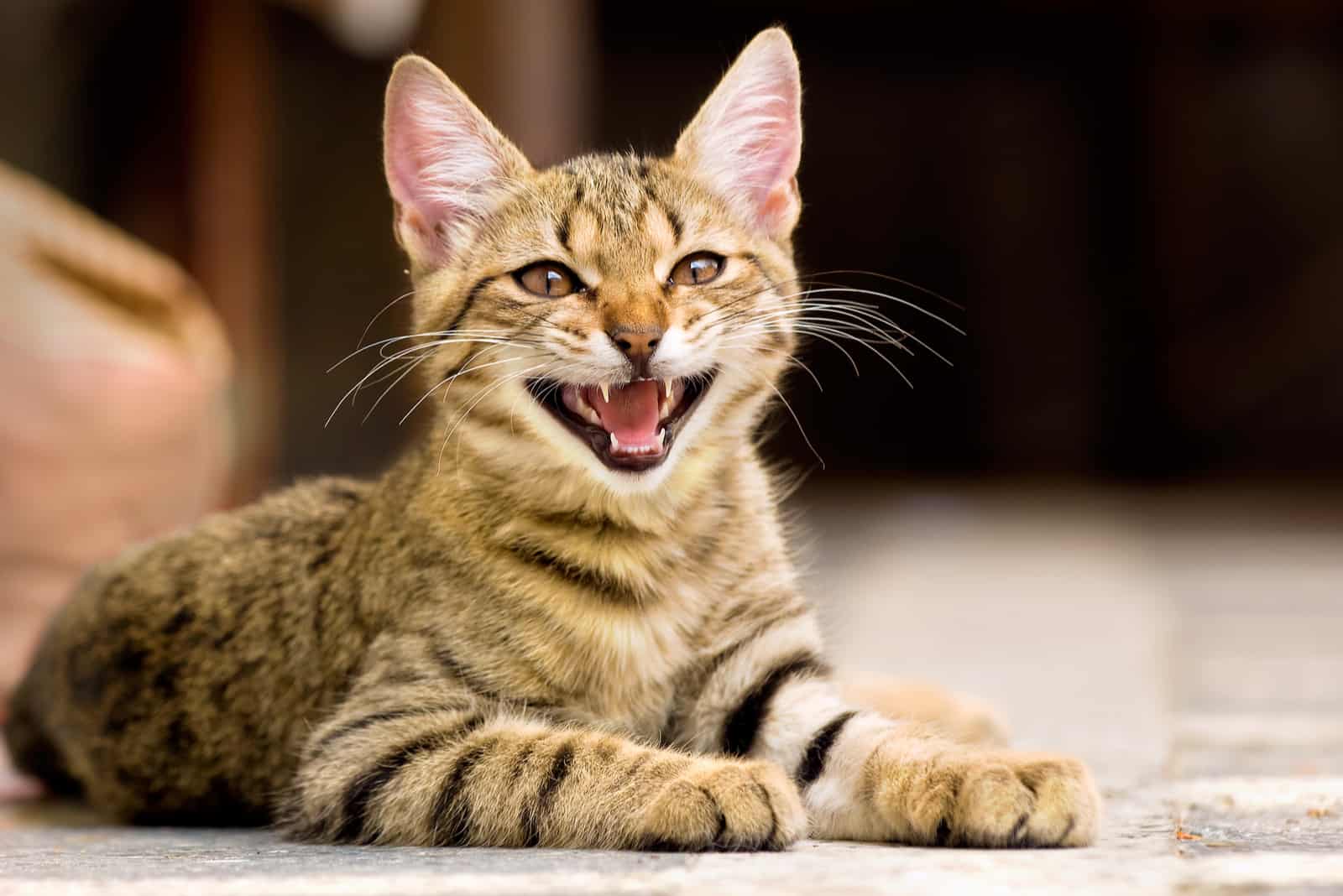 One of the most common reasons cats meow and rub against doors, windows, or their owners is because they want to go outside. Cats are curious creatures and have a natural instinct to explore their surroundings.
If you have an indoor cat, you may notice them rubbing against the door or window, pawing at the glass, or even meowing continuously when they see something happening outside, such as a bird or a squirrel.
When this behavior occurs, your cat is usually expressing a strong desire to venture outdoors. It’s their way of communicating that they’re feeling curious, and they want to be a part of the outdoor world.
Depending on their personality, some cats are more content being indoors, but others may become very persistent in their attempts to get outside.
To help manage this, try creating an engaging indoor environment with plenty of enrichment, like scratching posts, climbing trees, or interactive toys. If your cat is determined to go outside, consider leash training to allow them to explore safely.
Just make sure to assess the risks of outdoor exposure before giving your cat access to the outside world, as there can be dangers, including traffic, predators, or toxic plants.
One of the most common reasons cats meow and rub against doors, windows, or their owners is because they want to go outside. Cats are curious creatures and have a natural instinct to explore their surroundings.
If you have an indoor cat, you may notice them rubbing against the door or window, pawing at the glass, or even meowing continuously when they see something happening outside, such as a bird or a squirrel.
When this behavior occurs, your cat is usually expressing a strong desire to venture outdoors. It’s their way of communicating that they’re feeling curious, and they want to be a part of the outdoor world.
Depending on their personality, some cats are more content being indoors, but others may become very persistent in their attempts to get outside.
To help manage this, try creating an engaging indoor environment with plenty of enrichment, like scratching posts, climbing trees, or interactive toys. If your cat is determined to go outside, consider leash training to allow them to explore safely.
Just make sure to assess the risks of outdoor exposure before giving your cat access to the outside world, as there can be dangers, including traffic, predators, or toxic plants.
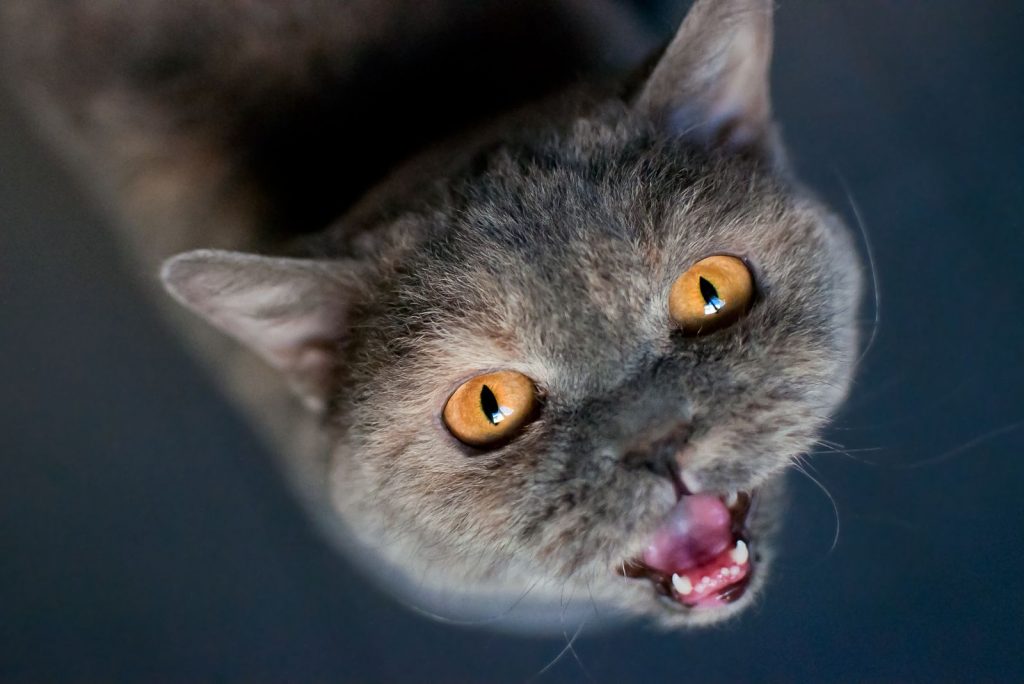
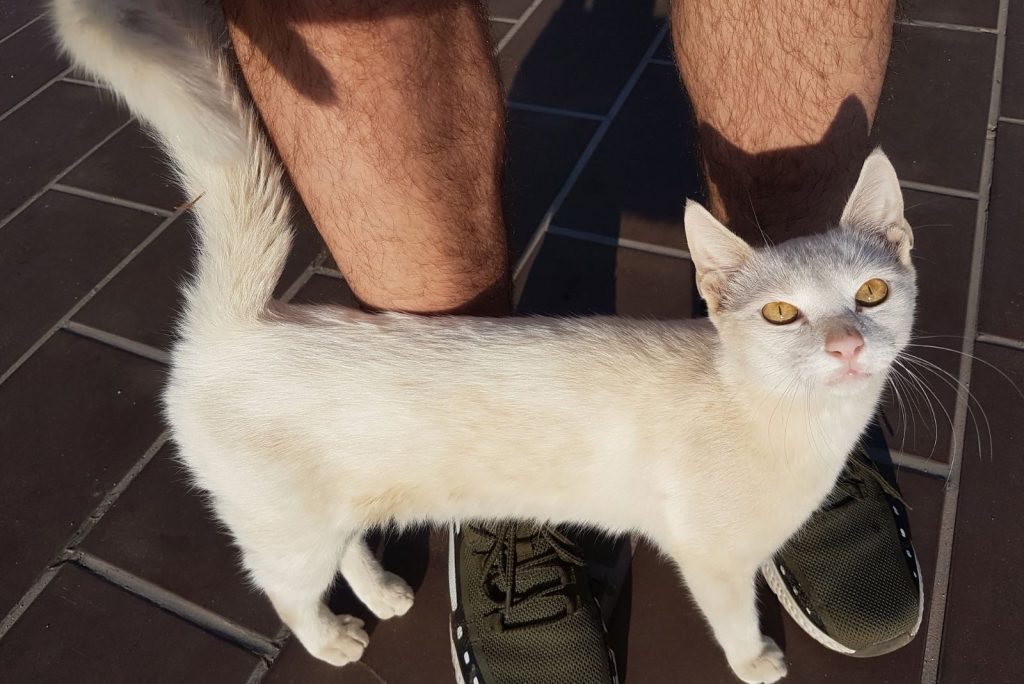
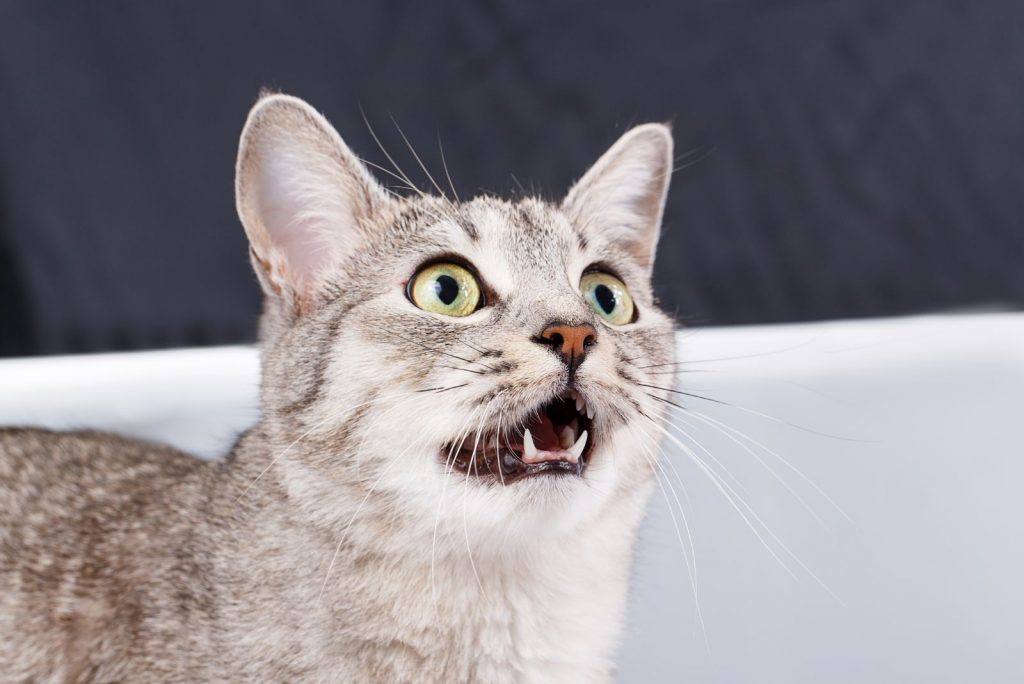
 If you’re trying to stop your cat from excessive meowing and rubbing against everything, it’s important to first understand the underlying cause of the behavior. Cats meow and rub for different reasons, so addressing the root of the issue is key.
While finding the exact cause can sometimes be tricky, paying close attention to your cat’s routine and environment will help you identify what’s triggering the behavior.
Cats can meow and rub due to stress, a need for attention, or even because they are marking their territory. By observing when the behavior occurs, you can start to pinpoint the reason behind it.
If your cat is meowing for attention, make sure to give her plenty of love and playtime to keep her engaged and entertained.
If she’s rubbing to mark her territory, it might be helpful to ensure she feels safe and secure in her space, especially if there have been any changes like moving to a new home.
Sometimes, excessive meowing and rubbing can also be a sign of health issues, so always consult with your vet if you suspect something might be physically wrong.
If you’re trying to stop your cat from excessive meowing and rubbing against everything, it’s important to first understand the underlying cause of the behavior. Cats meow and rub for different reasons, so addressing the root of the issue is key.
While finding the exact cause can sometimes be tricky, paying close attention to your cat’s routine and environment will help you identify what’s triggering the behavior.
Cats can meow and rub due to stress, a need for attention, or even because they are marking their territory. By observing when the behavior occurs, you can start to pinpoint the reason behind it.
If your cat is meowing for attention, make sure to give her plenty of love and playtime to keep her engaged and entertained.
If she’s rubbing to mark her territory, it might be helpful to ensure she feels safe and secure in her space, especially if there have been any changes like moving to a new home.
Sometimes, excessive meowing and rubbing can also be a sign of health issues, so always consult with your vet if you suspect something might be physically wrong.
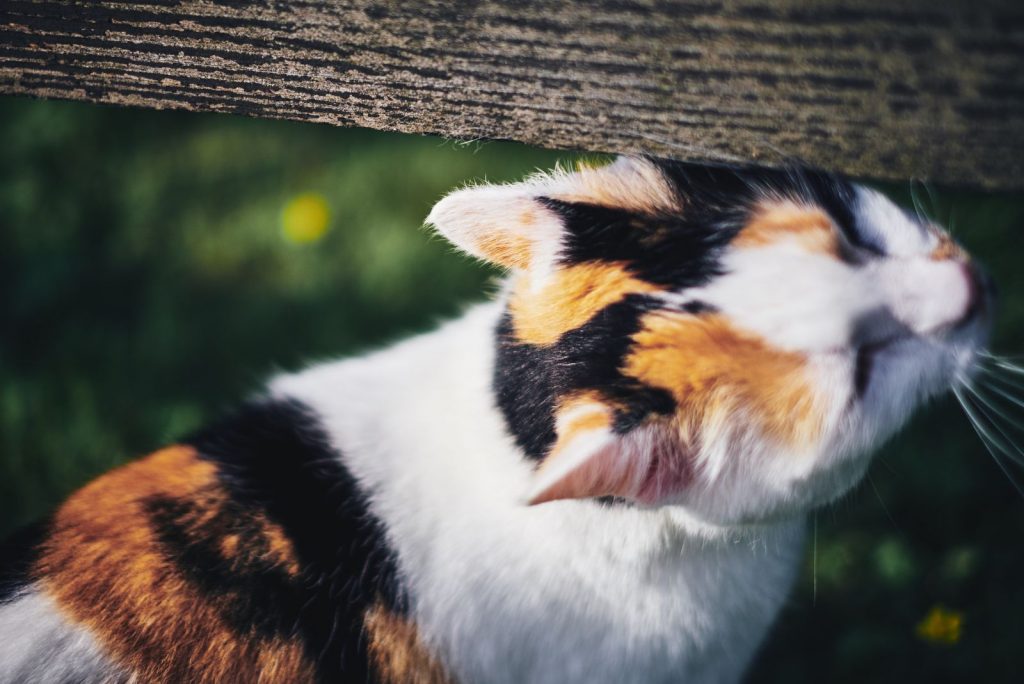
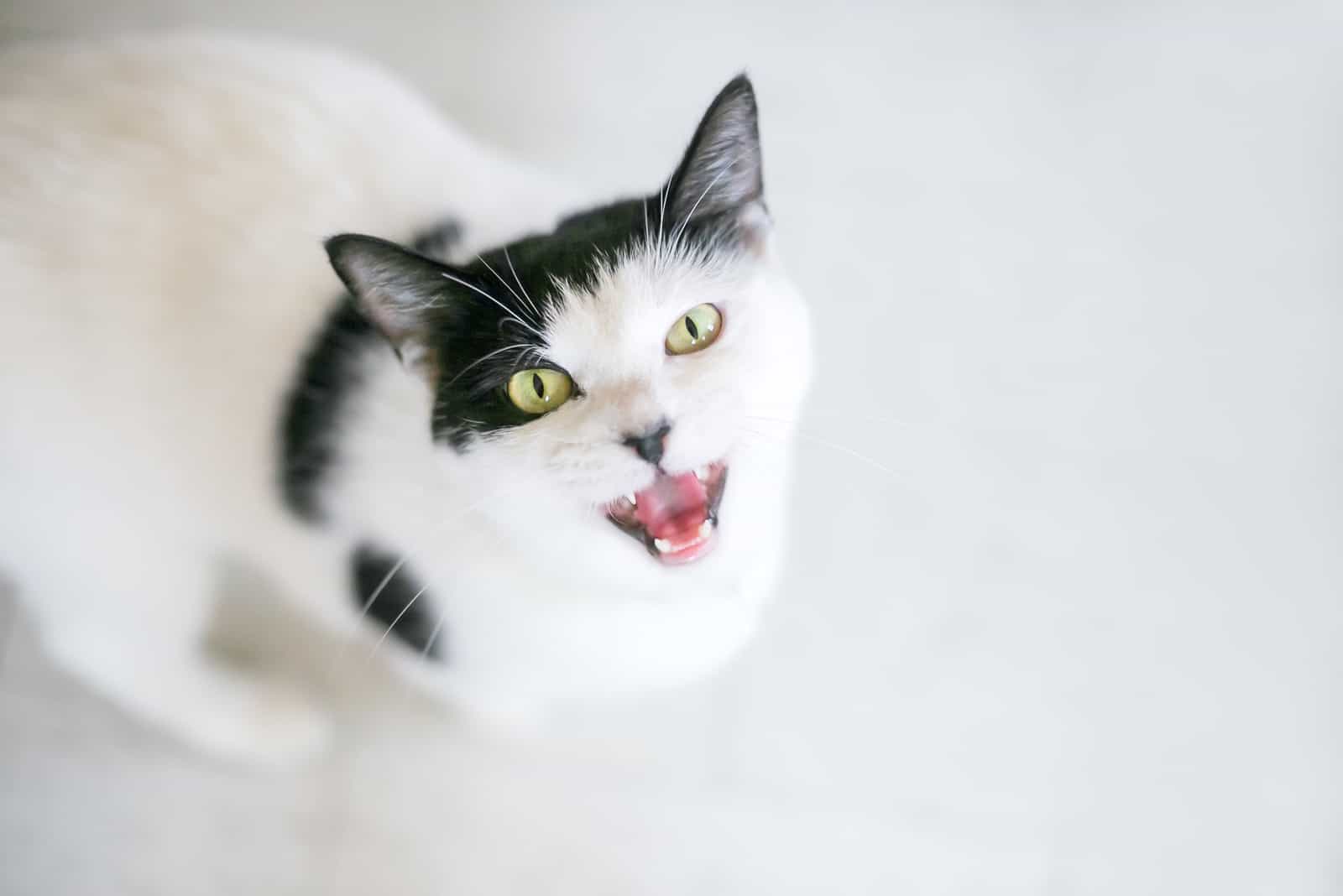 If you think your cat is trying to communicate with you through meowing, take a moment to really try and understand what they might be saying. Cats often meow to express different needs or desires, so it’s helpful to tune into the context of the situation.
For example, if it’s around feeding time, it’s safe to assume that the meowing means “I’m hungry” or “It’s time to eat!” If you respond by feeding your cat, and the meowing stops, then you’ve likely figured out the message correctly.
However, it’s important to remember that each cat is different, and their meows may have various meanings based on the situation. Some cats may meow to greet you, to get your attention, or because they’re feeling stressed or anxious.
Over time, as you observe their behavior and respond accordingly, you’ll likely start picking up on their unique “meowing language.”
Although it might take a little patience and practice, with some observation, you’ll soon start understanding the different types of meows your cat uses. Whether it’s hunger, attention-seeking, or just a friendly greeting, figuring out these signals can strengthen your bond with your furry friend.
If you think your cat is trying to communicate with you through meowing, take a moment to really try and understand what they might be saying. Cats often meow to express different needs or desires, so it’s helpful to tune into the context of the situation.
For example, if it’s around feeding time, it’s safe to assume that the meowing means “I’m hungry” or “It’s time to eat!” If you respond by feeding your cat, and the meowing stops, then you’ve likely figured out the message correctly.
However, it’s important to remember that each cat is different, and their meows may have various meanings based on the situation. Some cats may meow to greet you, to get your attention, or because they’re feeling stressed or anxious.
Over time, as you observe their behavior and respond accordingly, you’ll likely start picking up on their unique “meowing language.”
Although it might take a little patience and practice, with some observation, you’ll soon start understanding the different types of meows your cat uses. Whether it’s hunger, attention-seeking, or just a friendly greeting, figuring out these signals can strengthen your bond with your furry friend.
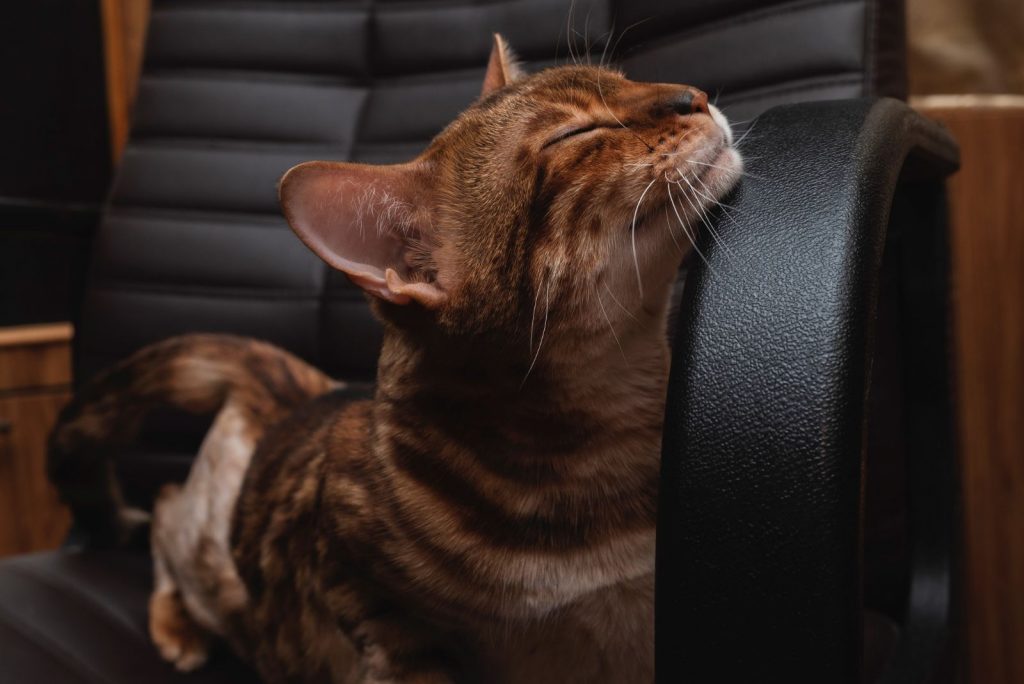
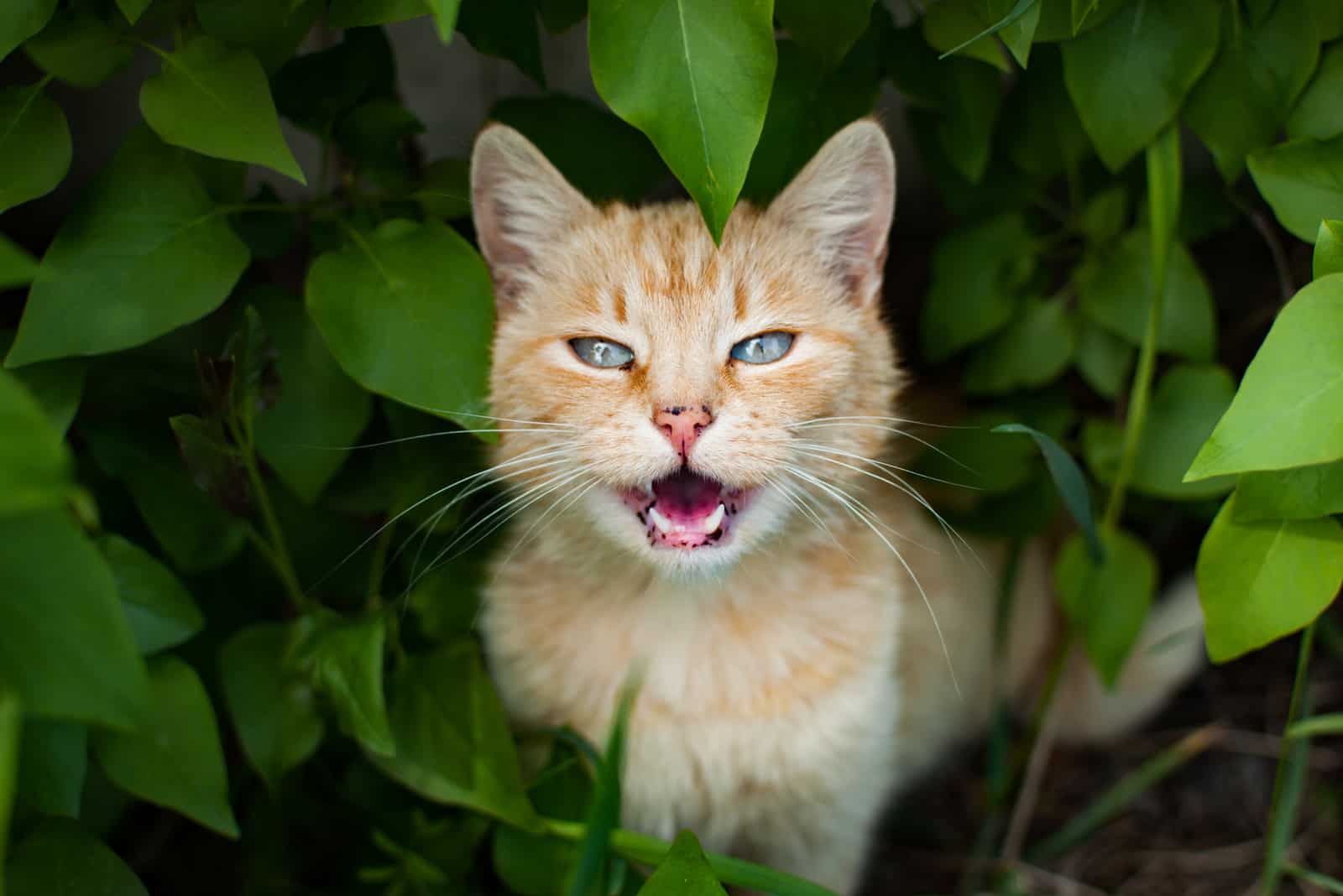 Well, duh! Spending quality time with your cat is one of the simplest and most effective solutions to any behavioral issues related to attention-seeking, such as excessive meowing or rubbing.
While it might seem obvious, life doesn’t always make it easy. If you’re working long hours in an office or away on a trip, it’s understandable that you can’t always be there for your furry friend.
But don’t worry, cats are independent creatures and don’t require constant attention. The key is to make the most of the time you do spend together. When you come home, make sure to devote some of your time to engaging with your cat.
Play with them, give them affection, or just sit and relax together. This can help satisfy their need for companionship and prevent them from feeling lonely.
Of course, if you’re away for longer periods, consider arranging for a friend, family member, or pet sitter to check in on your cat. But remember, it’s the quality of time spent together, not the quantity, that counts the most for your pet’s happiness.
Well, duh! Spending quality time with your cat is one of the simplest and most effective solutions to any behavioral issues related to attention-seeking, such as excessive meowing or rubbing.
While it might seem obvious, life doesn’t always make it easy. If you’re working long hours in an office or away on a trip, it’s understandable that you can’t always be there for your furry friend.
But don’t worry, cats are independent creatures and don’t require constant attention. The key is to make the most of the time you do spend together. When you come home, make sure to devote some of your time to engaging with your cat.
Play with them, give them affection, or just sit and relax together. This can help satisfy their need for companionship and prevent them from feeling lonely.
Of course, if you’re away for longer periods, consider arranging for a friend, family member, or pet sitter to check in on your cat. But remember, it’s the quality of time spent together, not the quantity, that counts the most for your pet’s happiness.
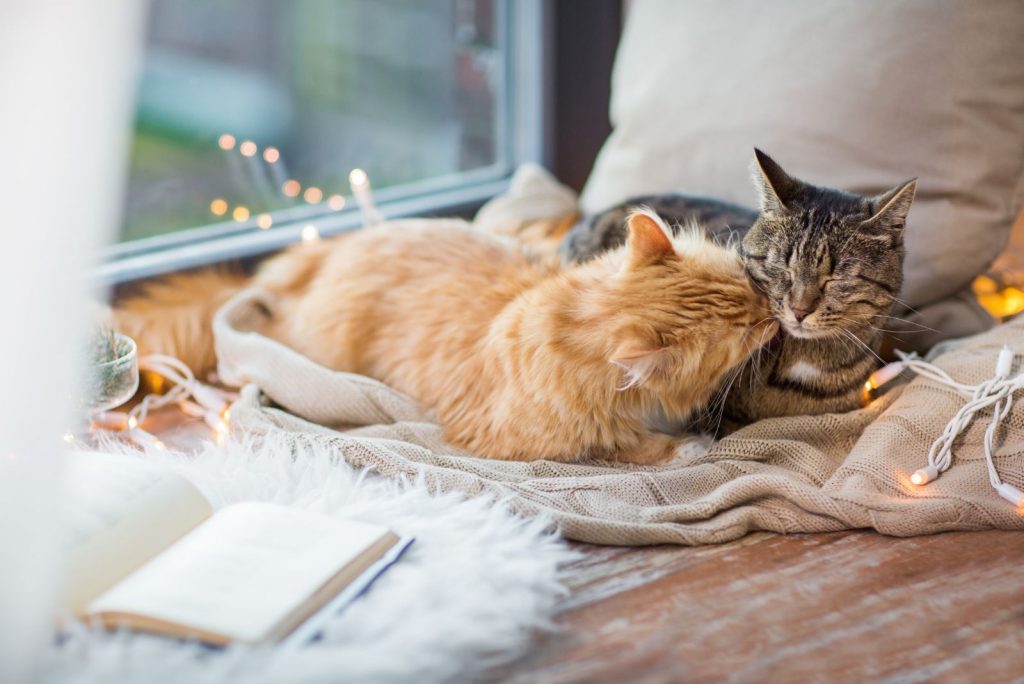
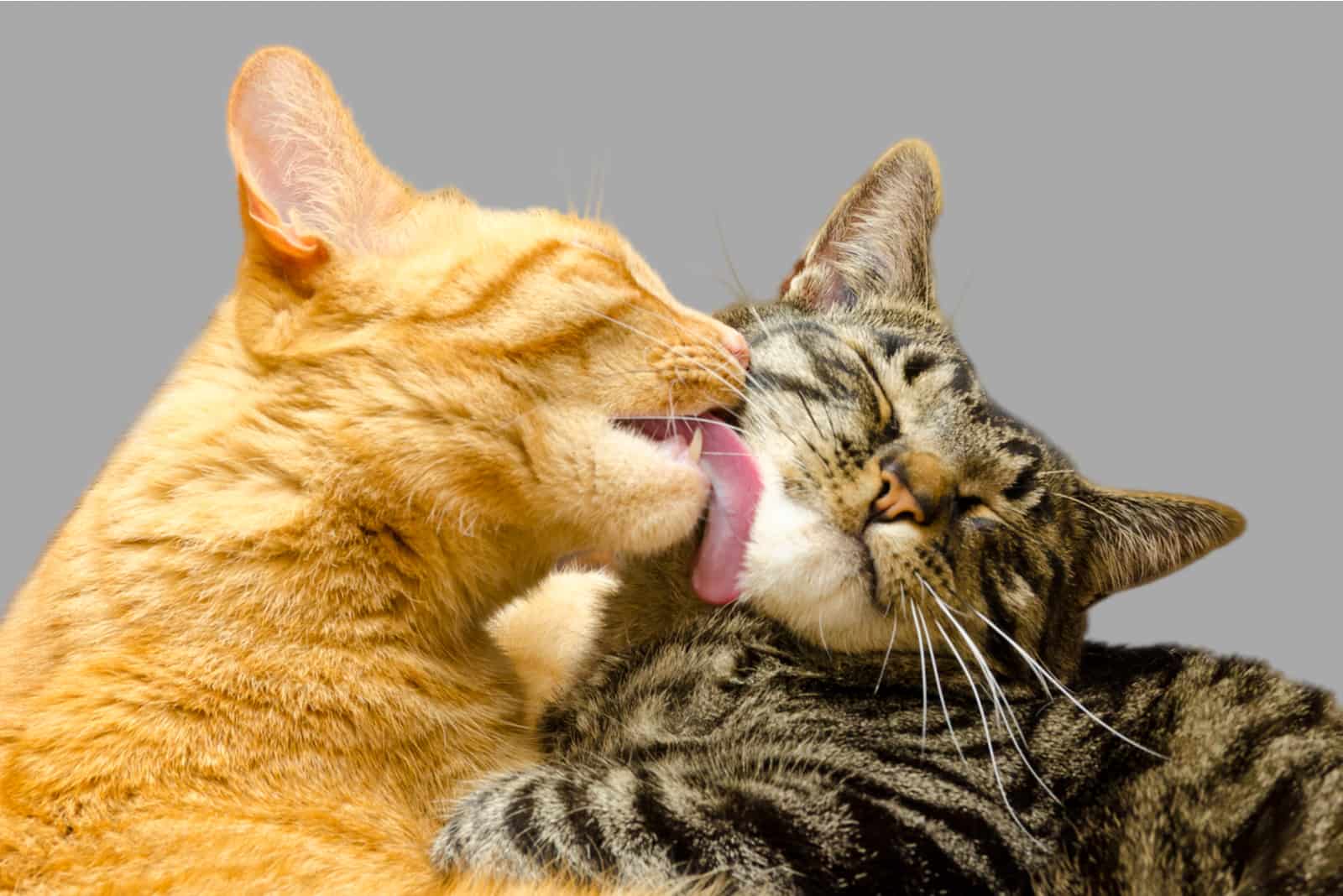 Apart from cats meowing and rubbing against humans, they meow, bunt, head-butt, and rub against each other too! What could be the reason for this behavior?
This is mostly observed in kittens! As I mentioned above, adult cats do not meow at each other. Meowing is reserved only for communication with humans! Yet kittens do meow at other kittens and their mother.
Here I list 4 reasons that explain this behavior!
Apart from cats meowing and rubbing against humans, they meow, bunt, head-butt, and rub against each other too! What could be the reason for this behavior?
This is mostly observed in kittens! As I mentioned above, adult cats do not meow at each other. Meowing is reserved only for communication with humans! Yet kittens do meow at other kittens and their mother.
Here I list 4 reasons that explain this behavior!
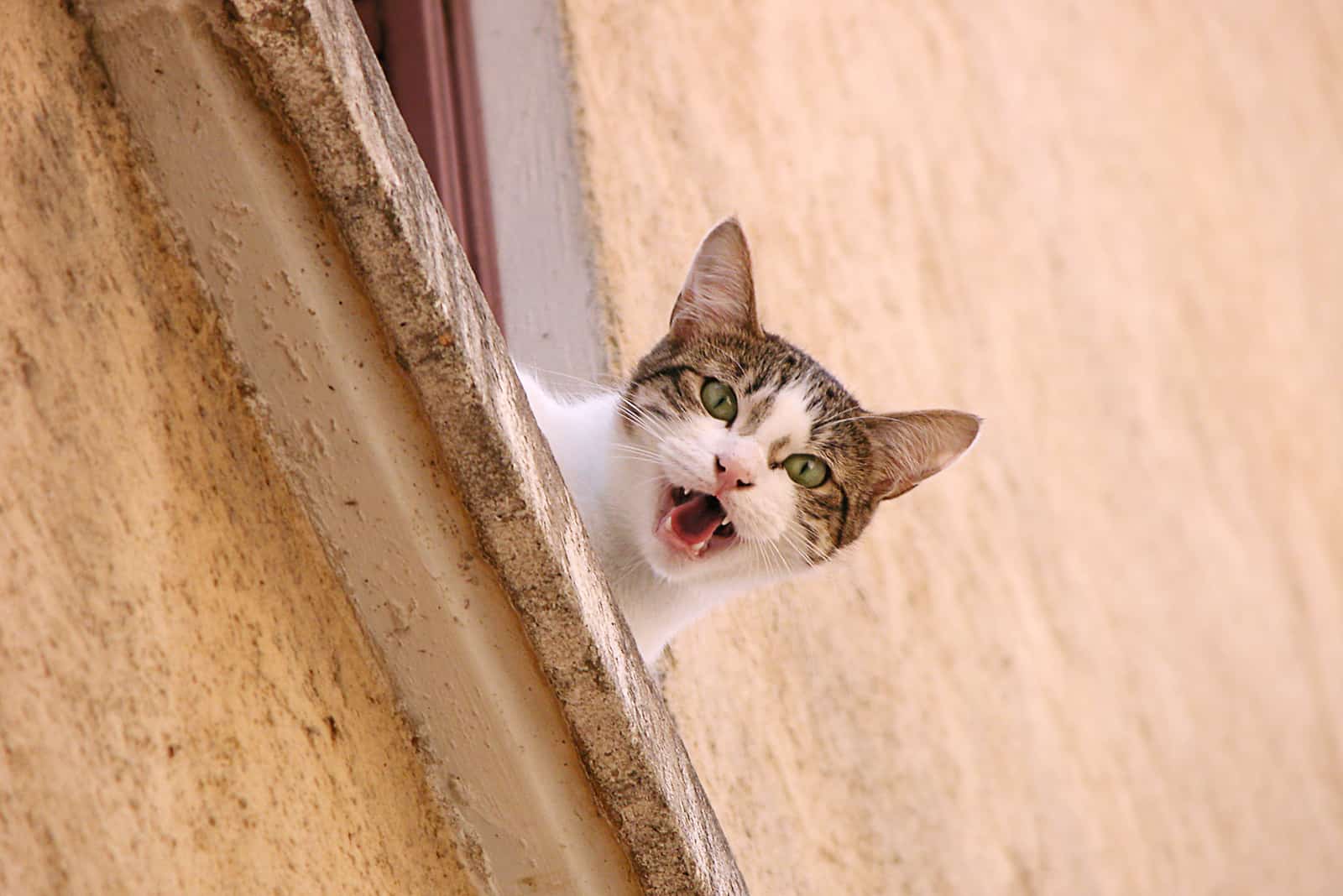 My cat keeps meowing and rubbing against everything – what should I do?
Well, I hope now, after reading this article, you will know what causes it and whether or not you should do anything about it!
At the end of the day, there is usually nothing alarming in this behavior and I would not worry about it!
My cat keeps meowing and rubbing against everything – what should I do?
Well, I hope now, after reading this article, you will know what causes it and whether or not you should do anything about it!
At the end of the day, there is usually nothing alarming in this behavior and I would not worry about it!